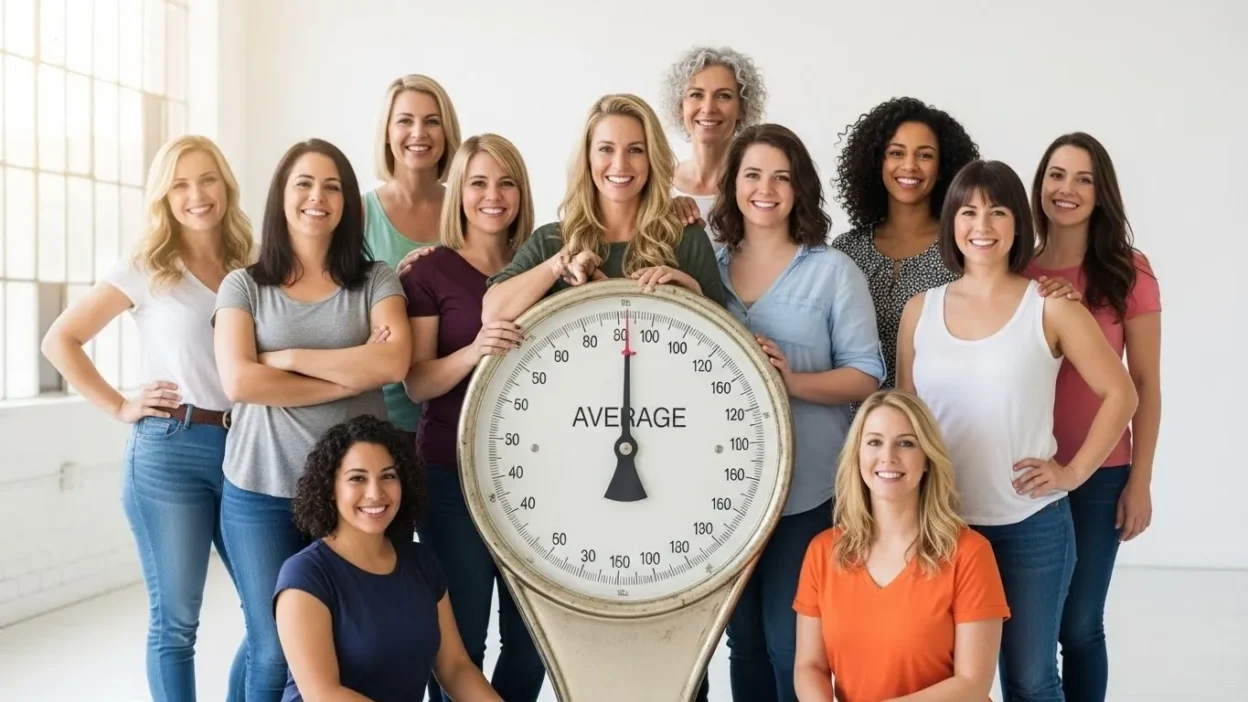
Understanding the average female weight is more than just knowing a number on a scale it’s an important indicator of overall health and wellness. Women’s body weight can vary widely depending on factors such as age, height, genetics, lifestyle, and even geographic location.
While statistical averages provide a useful reference, they don’t define individual health, as two women with the same weight may have very different body compositions and fitness levels.
Monitoring weight is essential not only for physical health but also for preventing chronic conditions like heart disease, diabetes, and hormonal imbalances.
In this article, we’ll explore the global and regional averages for female weight, examine how weight changes with age, discuss the key factors that influence it, and highlight practical tips for maintaining a healthy weight.
By understanding the nuances behind the numbers, women can make informed decisions that prioritize wellness and long-term health.
Global and Regional Average Female Weight
The average female weight varies significantly across the globe due to factors like genetics, diet, lifestyle, and socioeconomic conditions. According to the World Health Organization (WHO) and Centers for Disease Control and Prevention (CDC), the global average weight for adult women ranges from approximately 128 to 170 pounds (58–77 kg). However, these numbers differ greatly depending on the region.
In developed countries such as the United States, Canada, and the UK, the average weight for adult women tends to be higher, often around 160 pounds (72–73 kg). This is influenced by factors such as calorie-dense diets, sedentary lifestyles, and higher rates of obesity. In contrast, women in developing nations often have lower average weights, typically ranging from 125 to 140 pounds (57–64 kg), reflecting differences in diet, activity levels, and overall nutrition.
There are also notable variations within regions. For example, urban populations often weigh more than rural populations due to lifestyle differences. Additionally, historical data shows a gradual increase in average female weight over the past few decades, linked to lifestyle changes and dietary habits.
Understanding these regional differences is crucial because they provide context for health assessments and help set realistic, individualized goals. While averages serve as a general benchmark, it’s important to remember that healthy weight varies for every woman depending on height, age, and body composition.
Average Weight by Age Group
Female weight naturally changes throughout life, influenced by growth, metabolism, hormones, and lifestyle factors. Understanding average weight by age can help women assess their health and set realistic wellness goals.
Teenagers (13–19 years): During adolescence, girls experience rapid growth and hormonal changes. The average weight for teenage girls ranges from 100 to 135 pounds (45–61 kg), depending on height and genetics. Healthy nutrition and physical activity are critical during this stage to support development and long-term metabolic health.
Young Adults (20–39 years): In early adulthood, metabolism is typically higher, but lifestyle choices like diet, work habits, and exercise significantly impact weight. The average weight for women in this age group is approximately 135 to 160 pounds (61–73 kg). Pregnancy and postpartum changes can temporarily increase weight, and gradual stabilization often occurs after childbirth.
Middle-Aged Adults (40–59 years): Metabolism begins to slow with age, and hormonal shifts such as perimenopause can contribute to weight gain, particularly around the abdomen. Women in this group often weigh 145 to 170 pounds (66–77 kg) on average. Maintaining activity levels and balanced nutrition becomes increasingly important.
Seniors (60+ years): After 60, women may experience muscle loss (sarcopenia), which can lower weight despite fat accumulation. Average weight tends to stabilize or slightly decrease, generally ranging 140 to 165 pounds (64–75 kg). Focus shifts toward maintaining muscle mass, bone health, and functional strength.
By recognizing these age-based trends, women can better understand their bodies and adopt strategies to maintain a healthy weight throughout life.
Factors That Affect Female Weight
Female weight is influenced by a combination of genetic, biological, lifestyle, and environmental factors. Understanding these can help women make informed choices about maintaining a healthy weight.
Genetics and Body Type: Genes play a significant role in determining body composition, metabolism, and fat distribution. Women may inherit tendencies for higher or lower body weight from their parents. Body types—ectomorph, mesomorph, and endomorph—also influence how weight is gained or lost.
Height and Skeletal Frame: Taller women naturally weigh more due to greater skeletal and muscle mass. Similarly, a broader skeletal frame can increase healthy weight ranges.
Lifestyle Factors: Diet, physical activity, sleep, and stress levels all impact weight. High-calorie diets, sedentary routines, and inadequate sleep can lead to weight gain, while regular exercise and balanced nutrition support healthy weight management.
Hormonal and Medical Factors: Hormones such as estrogen, progesterone, and thyroid hormones influence metabolism and fat storage. Conditions like hypothyroidism, polycystic ovary syndrome (PCOS), and menopause can contribute to weight fluctuations.
Pregnancy and Postpartum: Pregnancy naturally increases weight due to fetal growth, fluid retention, and hormonal changes. Postpartum weight loss varies depending on activity, diet, and breastfeeding.
Environmental and Socioeconomic Factors: Access to nutritious foods, cultural norms, and economic conditions can affect weight. Urban lifestyles often encourage sedentary behavior, whereas rural living may involve more physical activity.
By recognizing these factors, women can adopt strategies tailored to their bodies, focusing on health rather than comparison to averages. Understanding the root causes of weight changes is key to long-term wellness.
Health Implications of Being Overweight or Underweight
Maintaining a healthy weight is not just about appearance—it’s closely linked to overall health and longevity. Deviating significantly from a healthy weight can lead to various medical complications for women.
Being Underweight: Women who weigh less than the recommended range for their height and age may face health risks such as weakened immunity, brittle bones (osteoporosis), and hormonal imbalances. Chronic underweight can also lead to anemia, fertility issues, and fatigue. Low body weight often results from poor nutrition, eating disorders, or underlying medical conditions, making it crucial to address the root cause.
Being Overweight or Obese: Excess weight increases the risk of chronic conditions, including type 2 diabetes, high blood pressure, heart disease, and certain cancers. Women carrying extra abdominal fat are particularly at risk for metabolic syndrome. Obesity can also strain joints, leading to arthritis, and may affect reproductive health and hormone regulation.
Body Composition Matters: Two women of the same weight can have different health profiles depending on muscle-to-fat ratio. Muscle mass supports metabolism and mobility, whereas excess fat, especially around the abdomen, is linked to greater health risks.
Mental Health Considerations: Weight issues can also impact mental well-being. Body image concerns, stress, and societal pressures may lead to anxiety or depression, highlighting the importance of a holistic approach to health.
Understanding the implications of weight helps women focus on wellness and balanced living rather than just the numbers on the scale. Maintaining a healthy weight is a cornerstone of long-term physical and mental health.
Tips for Maintaining a Healthy Weight
Maintaining a healthy weight is essential for overall well-being, but it requires a combination of balanced nutrition, physical activity, and lifestyle habits. Focusing on sustainable strategies rather than quick fixes is key.
Balanced Diet: Eating a variety of nutrient-rich foods supports a healthy weight. Incorporate fruits, vegetables, whole grains, lean proteins, and healthy fats. Limiting processed foods, sugary beverages, and excessive salt can prevent weight gain. Portion control and mindful eating—paying attention to hunger cues—also help regulate calorie intake.
Regular Physical Activity: Exercise is vital for weight management and overall health. Combining cardiovascular activities, such as walking, running, or cycling, with strength training helps burn calories and build lean muscle, which boosts metabolism. Flexibility exercises like yoga or stretching support mobility and reduce injury risk.
Hydration and Sleep: Drinking enough water aids digestion, reduces overeating, and supports metabolism. Adequate sleep—7 to 9 hours per night—helps regulate appetite hormones and prevents weight gain linked to fatigue and stress.
Stress Management: Chronic stress can trigger overeating or unhealthy eating habits. Techniques such as meditation, deep breathing, and hobbies can reduce stress and support healthy weight.
Monitoring and Professional Guidance: Regularly tracking weight, body measurements, or using apps can help maintain awareness of progress. Consulting healthcare providers, nutritionists, or dietitians can provide personalized guidance for safe, effective weight management.
By combining these strategies, women can achieve and maintain a healthy weight while prioritizing long-term physical and mental well-being rather than chasing temporary results.
Common Myths & Misconceptions About Female Weight
Weight is often surrounded by myths and misconceptions, which can lead to unrealistic expectations and unhealthy habits. Understanding the facts can help women focus on health rather than numbers.
Myth 1: There is one ideal weight for all women.
Many believe that women should weigh a specific number based on height or age. In reality, healthy weight varies widely due to genetics, body composition, and lifestyle. Two women of the same height can have very different weights and both be perfectly healthy.
Myth 2: Weight defines health or beauty.
Being thinner does not automatically mean better health. Health should be measured by physical fitness, muscle mass, body composition, and lifestyle habits rather than a number on the scale.
Myth 3: Skipping meals helps lose weight.
Skipping meals can slow metabolism, trigger overeating later, and deprive the body of essential nutrients. Regular balanced meals support energy, metabolism, and long-term weight management.
Myth 4: Exercise alone guarantees weight loss.
While exercise is important, diet plays an equally significant role. Combining both nutrition and physical activity is the most effective way to maintain a healthy weight.
Myth 5: Rapid weight loss is sustainable.
Crash diets or extreme routines may produce temporary results but are often unsustainable and can harm metabolism and overall health.
By debunking these myths, women can adopt a realistic, science-based approach to weight management that emphasizes wellness, confidence, and long-term health rather than societal pressures.
Tools & Techniques to Track Weight
Tracking weight is an effective way for women to monitor progress, stay motivated, and maintain a healthy lifestyle. However, it’s important to focus on trends over time rather than daily fluctuations.
1. BMI Calculators: Body Mass Index (BMI) is a widely used tool to determine whether a person falls within a healthy weight range based on height and weight. While BMI doesn’t account for muscle mass, it provides a general guideline for health assessments.
2. Body Composition Tools: Scales and devices that measure body fat percentage, muscle mass, and water content give a clearer picture of overall health than weight alone. This helps women understand whether changes are due to fat loss or muscle gain.
3. Fitness and Nutrition Apps: Apps like MyFitnessPal, Lose It!, and Fitbit allow women to track daily calorie intake, exercise routines, and weight progress. These apps provide visual trends and reminders to stay consistent with healthy habits.
4. Traditional Methods: Regularly weighing on a home scale or using a journal to track weight, measurements, or clothing fit can help identify patterns. Weekly check-ins are often more accurate than daily weigh-ins, which can fluctuate due to water retention or hormonal changes.
5. Professional Monitoring: For personalized guidance, consulting with doctors, dietitians, or nutritionists ensures that weight management strategies are safe and effective. Professionals can also assess underlying medical conditions affecting weight.
By combining technology, traditional tracking, and professional advice, women can maintain a holistic view of their weight and health, making adjustments based on trends rather than fixating on a single number.
(FAQs)
1. What is the average weight for adult women?
Globally, adult women typically weigh between 128 and 170 pounds (58–77 kg), though this varies by age, height, lifestyle, and geographic region.
2. How does age affect female weight?
Weight generally increases from adolescence to middle age due to metabolism slowing and hormonal changes. After 60, some women may experience slight weight loss due to muscle mass reduction.
3. Does height impact what is considered a healthy weight?
Yes. Taller women naturally weigh more due to skeletal and muscle mass. Tools like BMI help estimate a healthy weight range based on height.
4. Can two women of the same weight have different health outcomes?
Absolutely. Weight alone doesn’t determine health. Body composition, muscle-to-fat ratio, lifestyle habits, and genetics all play important roles.
5. How does menopause affect weight?
Hormonal changes during menopause can slow metabolism and increase fat accumulation, especially around the abdomen. Maintaining a balanced diet and regular exercise is important during this stage.
6. What are safe ways to track weight?
Weekly weigh-ins, body measurements, fitness apps, and professional guidance from nutritionists or doctors are effective methods. Focus on long-term trends rather than daily fluctuations.
7. Should women focus only on weight or overall health?
Overall health is more important than a specific number. Regular exercise, balanced nutrition, mental well-being, and adequate sleep all contribute to long-term wellness.
These FAQs help clarify common concerns, emphasizing that healthy weight is individualized and should be approached with a focus on wellness rather than comparison to averages.
Conclusion
Understanding the average female weight provides valuable context, but it is only one piece of the health puzzle.
Women’s weight varies widely based on factors like age, height, genetics, lifestyle, and regional differences. While statistical averages offer benchmarks, they do not define an individual’s health, fitness, or well-being.
Two women of the same weight can have very different body compositions, activity levels, and health outcomes.
Maintaining a healthy weight is best approached through a combination of balanced nutrition, regular exercise, adequate sleep, and stress management.
Tracking weight trends using tools like BMI calculators, body composition scales, fitness apps, or professional guidance can provide useful insights, but the focus should always be on long-term wellness rather than short-term results.
It is also important to challenge societal myths and misconceptions about female weight, such as the idea that there is one “ideal” weight or that appearance alone determines health. Instead, women should prioritize a holistic approach, considering both physical and mental well-being.
Ultimately, knowing the average female weight serves as a guide, but individual goals should emphasize sustainable habits, body confidence, and overall health.
By understanding the factors that influence weight and taking practical steps, women can achieve a healthy lifestyle that supports both their physical and emotional well-being throughout every stage of life.

James Patterson is a bestselling author known for his thrilling storytelling, unforgettable characters, and page-turning mysteries. His work has inspired readers across the world with stories full of suspense, love, and emotion. At Talk2Flirt.com, we highlight his creative spark — showing how passion, words, and imagination can connect hearts just like the perfect conversation.