
Understanding the average weight for men is more than just knowing a number on the scale—it’s about health, lifestyle, and overall wellbeing.
Men’s weight can vary significantly depending on factors like age, height, genetics, body composition, and lifestyle habits.
While population averages provide a useful guideline, they don’t always reflect what’s healthy for every individual.
Maintaining a healthy weight is crucial for reducing the risk of chronic diseases such as heart disease, diabetes, and joint problems. It also impacts energy levels, mental health, and longevity.
In this comprehensive guide, we’ll explore what constitutes the average weight for men across different ages, how height and body composition influence healthy weight, and the factors that affect it.
Additionally, we’ll discuss practical tips for maintaining a healthy weight, common myths, and actionable advice to help men achieve their optimal body weight safely and sustainably.
What Is Considered Average Weight for Men?
The term “average weight” refers to the typical weight observed in a population of men, usually based on large-scale health studies and statistics. It’s important to note that average weight doesn’t always equal a “healthy” weight, as it can be influenced by factors such as body composition, lifestyle, and genetics.
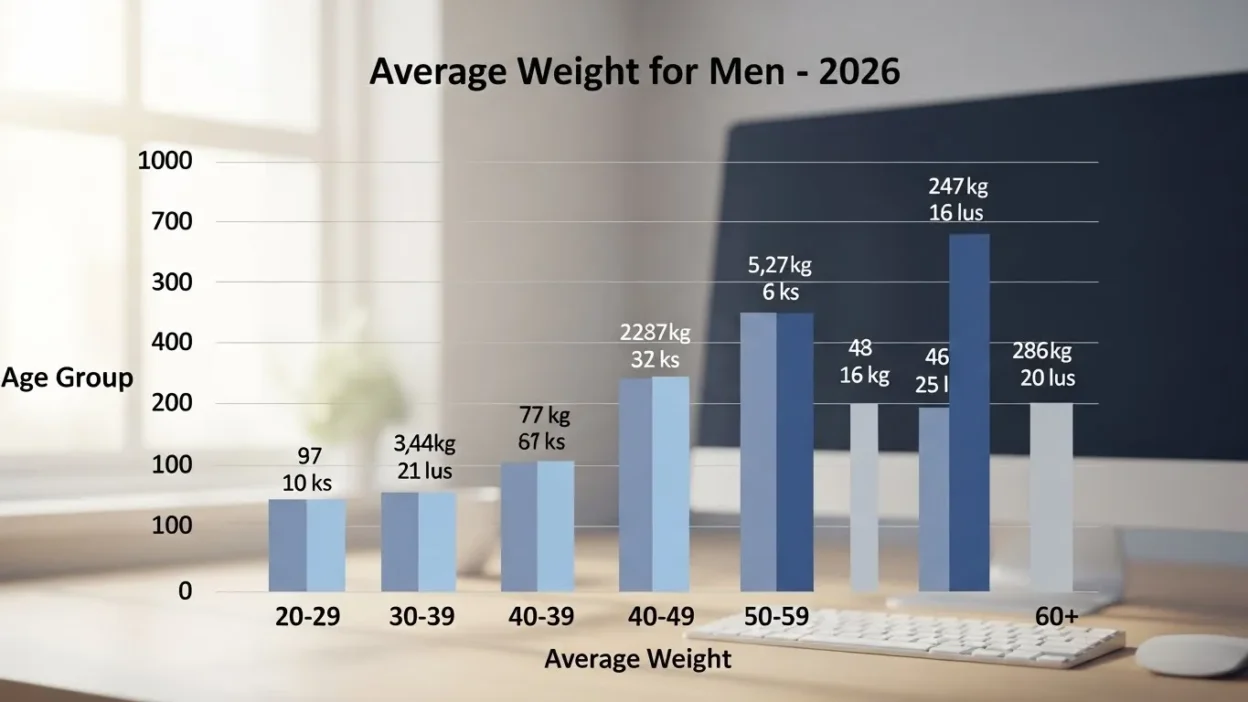
Globally, studies indicate that the average adult male weighs between 160 to 200 pounds (73–91 kg), though this varies significantly depending on age, height, and region. For example, taller men naturally weigh more, and men in countries with higher caloric intake often have higher average weights. Age also plays a role: men in their 20s and 30s typically have lower average weights compared to men in their 40s and 50s, as metabolism slows and lifestyle habits change over time.
Health experts often use the Body Mass Index (BMI) as a guideline to determine if a person’s weight falls within a healthy range. A BMI between 18.5 and 24.9 is considered normal, while values above or below this range may indicate overweight or underweight status. However, BMI doesn’t differentiate between muscle and fat, so men with high muscle mass may have a higher BMI but still be perfectly healthy.
In short, average weight provides a benchmark, but individual factors must always be considered. Maintaining a healthy weight isn’t just about hitting a number—it’s about achieving a balance between body composition, nutrition, and overall wellness.
Factors That Influence Men’s Weight
Men’s weight is shaped by a combination of genetic, lifestyle, and environmental factors, making it unique for every individual. Understanding these influences can help in maintaining a healthy weight and preventing long-term health issues.
1. Genetics and Body Type: Genetics play a major role in determining body composition, fat distribution, and metabolism. Men may naturally have different body types—ectomorphs tend to be leaner, mesomorphs more muscular, and endomorphs prone to storing fat. These differences affect what is considered a healthy weight for each person.
2. Diet and Nutrition: Caloric intake, meal patterns, and the types of foods consumed are crucial. Diets high in processed foods, sugar, and unhealthy fats can contribute to weight gain, while balanced diets with adequate protein, fiber, and healthy fats help maintain an ideal weight.
3. Physical Activity: Regular exercise affects muscle mass, metabolism, and overall energy expenditure. Sedentary lifestyles often lead to weight gain, while consistent activity—such as strength training, cardio, and active daily routines—supports a healthy weight.
4. Age and Metabolism: As men age, metabolism naturally slows, often causing gradual weight gain unless dietary and activity adjustments are made.
5. Health Conditions and Medications: Hormonal imbalances, thyroid issues, and certain medications can significantly affect weight.
6. Lifestyle Factors: Sleep quality, stress levels, and alcohol consumption also influence weight. Poor sleep or chronic stress can disrupt hormones, increase appetite, and lead to weight gain.
Overall, maintaining a healthy weight requires a balance between genetics, nutrition, activity, and lifestyle choices, emphasizing the importance of personalized approaches.
Height vs. Weight — Understanding the Relationship
Height is one of the most important factors when determining a healthy weight for men. Taller individuals naturally weigh more due to greater bone mass, muscle mass, and overall body size, while shorter men may have lower average weights. Because of this, evaluating weight without considering height can be misleading.
One of the most commonly used tools to assess whether weight is healthy for a given height is the Body Mass Index (BMI). BMI is calculated by dividing weight in kilograms by height in meters squared. A BMI between 18.5 and 24.9 is generally considered healthy. Values below 18.5 indicate underweight, while those above 25 suggest overweight, and above 30 indicate obesity. Although BMI is a useful guideline, it doesn’t differentiate between muscle and fat. For example, a muscular man may have a high BMI but low body fat, making him perfectly healthy despite appearing “overweight” by BMI standards.
Other methods, like measuring waist-to-hip ratio, body fat percentage, and lean muscle mass, provide a more accurate picture of health relative to height. These metrics are especially important for men who exercise regularly or have significant muscle mass, as they can weigh more without increased health risks.
Ultimately, height must be considered alongside weight to determine healthy ranges. Focusing on overall body composition, rather than just the number on a scale, ensures a more accurate understanding of men’s health and fitness.
Average Weight by Age and Region
Average weight for men can vary widely depending on age and geographic location, reflecting differences in metabolism, lifestyle, and cultural habits. Understanding these variations helps provide a clearer perspective on what is typical for men in different stages of life and regions of the world.
By Age: Men’s weight generally increases with age due to natural changes in metabolism, muscle mass, and activity levels. For instance, men in their 20s and early 30s often have average weights between 160–175 pounds (73–79 kg), benefiting from higher metabolism and more active lifestyles. By the 40s and 50s, weight tends to rise to 170–190 pounds (77–86 kg), partly due to slower metabolism and potential lifestyle changes such as reduced physical activity. Men over 60 years often experience slight weight stabilization or gradual loss, influenced by muscle mass decline and age-related health factors.
By Region: Average weight also differs between countries and regions. Men in the United States and Europe generally have higher average weights, ranging from 180–200 pounds (82–91 kg), due to higher caloric diets and sedentary lifestyles. In contrast, men in Asian countries often have lower averages, closer to 150–165 pounds (68–75 kg), reflecting dietary patterns and differing lifestyles. Economic development, urbanization, and access to processed foods also play significant roles in regional differences.
These variations highlight that “average weight” is not universal. While age and region provide a benchmark, each individual’s healthy weight depends on height, body composition, lifestyle, and overall health rather than population averages alone.
Health Risks of Being Underweight or Overweight
Maintaining a healthy weight is crucial because both being underweight and overweight can have serious health consequences. Understanding the risks associated with weight extremes can motivate men to adopt healthier lifestyle habits.
Underweight Risks: Men who are underweight often lack essential nutrients, which can weaken the immune system and increase susceptibility to infections. Low body weight may also lead to muscle wasting, fatigue, and reduced bone density, raising the risk of fractures. Chronic underweight can sometimes signal underlying health conditions such as thyroid disorders, diabetes, or digestive issues. Additionally, being underweight can impact mental health, contributing to anxiety or depression.
Overweight and Obesity Risks: Excess body weight, particularly when concentrated around the abdomen, is strongly linked to serious health problems. Overweight men are at higher risk of heart disease, high blood pressure, type 2 diabetes, and certain cancers. Carrying extra weight also puts added strain on the joints, leading to arthritis and mobility issues. Obesity can affect hormone levels, sleep quality, and even mental health, increasing the likelihood of depression and stress.
Balance Is Key: Both underweight and overweight extremes highlight the importance of a balanced approach to diet, exercise, and lifestyle. Rather than focusing solely on numbers, men should prioritize body composition, overall wellness, and sustainable habits. Achieving a healthy weight reduces disease risk, improves energy levels, and supports long-term quality of life.
Tips for Maintaining a Healthy Weight
Maintaining a healthy weight requires a balanced approach that combines diet, exercise, and lifestyle habits. Consistency is key, and small, sustainable changes often lead to better long-term results than drastic measures.
1. Balanced Diet: Focus on a nutrient-rich diet with plenty of vegetables, fruits, whole grains, lean proteins, and healthy fats. Avoid excessive processed foods, sugary drinks, and refined carbohydrates. Controlling portion sizes and eating mindfully can also prevent overeating.
2. Regular Exercise: Physical activity helps burn calories, build muscle, and improve metabolism. Incorporate a mix of cardiovascular exercises like running or cycling and strength training to maintain lean muscle mass. Even daily activities like walking, taking the stairs, or light stretching contribute to overall energy expenditure.
3. Lifestyle Habits: Adequate sleep (7–9 hours per night) and stress management are crucial for weight control. Poor sleep can disrupt hormones that regulate hunger, while chronic stress may lead to emotional eating. Mindfulness practices, meditation, or hobbies can help manage stress effectively.
4. Hydration: Drinking enough water supports metabolism, helps control appetite, and improves digestion. Replacing sugary beverages with water is a simple way to reduce unnecessary calorie intake.
5. Track Progress: Monitoring weight trends, keeping a food journal, or using fitness apps can provide motivation and accountability. However, focus on overall health improvements rather than day-to-day fluctuations.
By combining these strategies, men can achieve a healthy, sustainable weight while improving energy levels, mental wellbeing, and long-term health outcomes.
Tracking Your Weight Effectively
Monitoring your weight is an essential part of maintaining a healthy lifestyle, but it’s important to track it in a way that gives meaningful insights rather than causing unnecessary stress. Effective tracking allows men to observe trends over time, make informed adjustments to diet or exercise, and stay motivated.
1. Use Consistent Methods: Weigh yourself at the same time of day, ideally in the morning after using the bathroom and before eating. Wear similar clothing or none at all to ensure consistency. Weekly weigh-ins often provide a more accurate trend than daily fluctuations, which can be influenced by hydration, meals, or temporary water retention.
2. Track Body Composition: Weight alone doesn’t tell the whole story. Measuring body fat percentage, waist circumference, and muscle mass can give a clearer picture of health and fitness. For example, two men with the same weight could have vastly different body compositions, affecting their health outcomes.
3. Use Technology Wisely: Fitness trackers, smart scales, and mobile apps can make tracking easier and more precise. Many apps allow you to log weight, exercise, nutrition, and other health metrics in one place, helping you spot trends and set realistic goals.
4. Focus on Trends, Not Numbers: Avoid becoming fixated on minor daily changes. Look at long-term patterns over weeks or months to assess progress.
5. Know When to Seek Help: If weight changes dramatically without explanation, or if you struggle to maintain a healthy weight despite proper diet and exercise, consult a healthcare professional for guidance.
By tracking weight effectively and focusing on overall health rather than single numbers, men can maintain a healthy weight while improving fitness, energy, and wellbeing.
Common Myths About Men’s Weight
There are many misconceptions surrounding men’s weight that can lead to confusion and unhealthy habits. Understanding the facts behind these myths is crucial for maintaining a healthy and realistic approach to body weight.
1. “Muscle Weighs More Than Fat”
It’s true that muscle is denser than fat, meaning it takes up less space but weighs more. However, this doesn’t mean that men with higher muscle mass are overweight or unhealthy. Muscle improves metabolism, supports joint health, and enhances overall fitness.
2. “Tall Men Should Always Weigh More”
Height influences weight, but not every tall man will naturally be heavier. Genetics, body composition, and lifestyle choices also play a role. A tall man can be healthy at a weight that may seem low for his height if his body composition is lean.
3. “BMI Tells the Full Story”
While BMI is a useful guideline, it doesn’t distinguish between fat and muscle. Athletes or men with higher muscle mass may have a BMI in the “overweight” range but remain perfectly healthy.
4. “Weight Loss Is Just About Dieting”
Reducing calories alone is not always enough. Sustainable weight management requires a combination of balanced nutrition, regular exercise, sufficient sleep, and stress management.
5. “You Can Spot-Reduce Fat”
Many believe exercising a specific area, like abs, will burn fat in that area. In reality, fat loss occurs throughout the body and is influenced by overall calorie balance, not isolated exercises.
By debunking these myths, men can adopt a more realistic, healthy, and effective approach to weight management, focusing on overall wellness rather than numbers on a scale.
(FAQs)
1. What is the ideal weight for a 30-year-old man?
The ideal weight varies based on height, body composition, and lifestyle. For a man of average height (around 5’9” or 175 cm), a healthy weight typically ranges from 150 to 175 pounds (68–79 kg). BMI, body fat percentage, and muscle mass should also be considered for a more accurate assessment.
2. Does muscle affect average weight?
Yes. Muscle is denser than fat, so men with higher muscle mass may weigh more but still be healthy. BMI may overestimate weight concerns for muscular individuals, so body composition is a better measure.
3. How often should men check their weight?
Weekly weigh-ins are generally recommended to track trends without being discouraged by daily fluctuations. Consistency in timing, clothing, and scale type is important for accuracy.
4. How do age and metabolism affect weight?
As men age, metabolism slows, and muscle mass declines, often leading to gradual weight gain. Regular exercise, balanced nutrition, and lifestyle adjustments are essential to maintain a healthy weight.
5. What is a healthy BMI for men?
A BMI between 18.5 and 24.9 is considered healthy for adult men. However, BMI doesn’t account for muscle mass or fat distribution, so it should be used alongside other measurements like body fat percentage or waist circumference.
6. When should men seek professional help for weight issues?
If weight changes suddenly, is difficult to manage despite proper habits, or is accompanied by health problems, consulting a healthcare professional or nutritionist is recommended for guidance and safe intervention.
Conclusion
Understanding the average weight for men goes far beyond simply looking at a number on the scale.
While population averages provide helpful benchmarks, individual factors such as height, age, genetics, body composition, and lifestyle play a crucial role in determining what is truly healthy.
Maintaining a healthy weight is not just about appearance—it significantly impacts long-term health, energy levels, and quality of life.
Men should focus on sustainable habits that support overall wellness. Balanced nutrition, regular physical activity, sufficient sleep, stress management, and proper hydration are key components of effective weight management.
Tracking weight trends, monitoring body composition, and consulting healthcare professionals when necessary can provide guidance and ensure that health goals are being met safely.
It’s equally important to recognize and dismiss common myths about men’s weight, such as relying solely on BMI or believing that spot reduction of fat is possible.
A holistic approach that considers both physical and mental wellbeing is the most reliable path to achieving and maintaining a healthy weight.
Ultimately, men should aim for a healthy lifestyle rather than striving to meet a specific “average” weight.
By focusing on balanced habits and understanding the factors that influence weight, men can achieve their optimal body weight safely and sustainably, ensuring better health and vitality for years to come.