Weight loss injections have emerged as a popular solution for people struggling to shed excess weight despite diet and exercise.
Unlike traditional weight loss methods, these injections work by targeting the body’s metabolism, appetite, or fat absorption, offering a medical-assisted approach to achieving weight goals.
From GLP-1 receptor agonists like semaglutide and liraglutide to lipotropic and HCG injections, there are several options available, each with unique benefits and mechanisms.
While they are not a magic solution, when combined with a healthy diet and regular exercise, weight loss injections can accelerate results, improve motivation, and support long-term lifestyle changes.
However, like any medical treatment, they come with potential side effects and require proper guidance from healthcare professionals.
This comprehensive guide explores the most effective weight loss injections, how they work, their benefits, risks, cost, and tips for safe and effective use.
What Are Weight Loss Injections?
Weight loss injections are medical treatments designed to support weight reduction by targeting the body’s metabolism, appetite, or fat storage mechanisms. Unlike pills or dietary supplements, these injections are administered directly into the body, usually subcutaneously, allowing the active ingredients to work more efficiently. They are often used under medical supervision as part of a structured weight loss program, combined with a balanced diet and regular exercise.
There are several types of weight loss injections, each with a distinct mechanism of action. GLP-1 receptor agonists, such as semaglutide and liraglutide, help regulate appetite and blood sugar levels by mimicking the effects of a naturally occurring hormone in the body, promoting a feeling of fullness and reducing calorie intake. Lipotropic injections contain a combination of vitamins and amino acids—commonly B12, choline, methionine, and inositol—that support fat metabolism and energy production. Some people also turn to HCG injections, which are believed to aid weight loss by influencing hormonal balance, although scientific support for these is limited and somewhat controversial.
Weight loss injections are generally recommended for individuals with a higher BMI or those who have struggled to lose weight through conventional methods. While they can accelerate weight loss, these injections are not standalone solutions—they work best alongside lifestyle modifications. Proper medical guidance ensures safe use, minimizes side effects, and helps tailor the treatment to individual needs.
Types of Weight Loss Injections
Weight loss injections come in several types, each designed to target different aspects of weight management. Understanding these options can help individuals choose a treatment that aligns with their goals and health needs.
1. GLP-1 Receptor Agonists
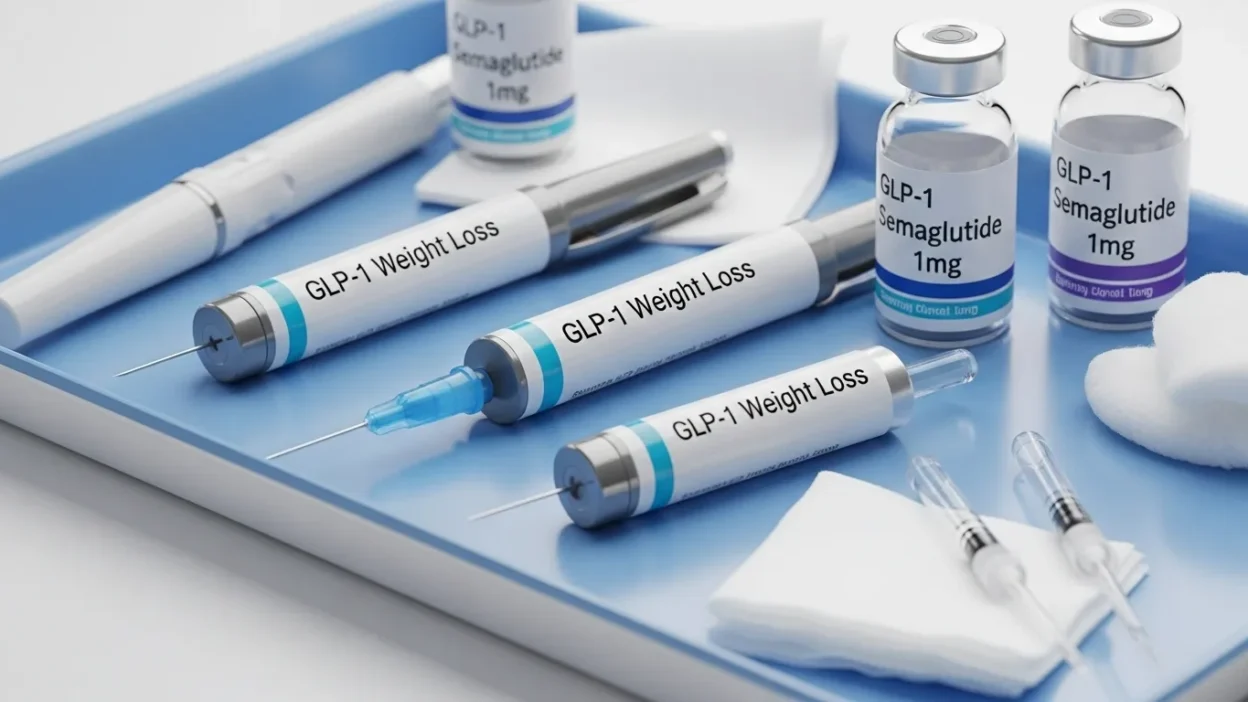
GLP-1 injections, including semaglutide and liraglutide, are among the most effective medical treatments for weight loss. They work by mimicking the glucagon-like peptide-1 hormone, which slows stomach emptying, reduces appetite, and increases feelings of fullness. Clinical studies show that these injections can lead to significant weight loss when combined with diet and exercise.
2. Lipotropic Injections
Lipotropic injections typically include a combination of vitamins and amino acids such as methionine, inositol, choline, and vitamin B12. These compounds help support fat metabolism, improve energy levels, and may enhance the body’s ability to break down fat. While not as potent as GLP-1 injections, they are popular for people seeking a supportive supplement alongside lifestyle changes.
3. HCG Injections
Human chorionic gonadotropin (HCG) injections are claimed to assist in fat loss by influencing hormone levels and metabolism. However, scientific evidence for their effectiveness is limited, and they are often considered controversial. Medical supervision is critical for anyone considering HCG injections.
4. Emerging and Niche Injections
Newer treatments, including peptide-based injections and experimental medications, are being researched for their potential to boost metabolism, burn fat, or control appetite. These options are usually available in specialized medical clinics.
Choosing the right injection requires consulting a healthcare professional to ensure safety, effectiveness, and compatibility with individual health conditions.
Benefits of Weight Loss Injections
Weight loss injections offer several benefits that make them an attractive option for people struggling to lose weight through diet and exercise alone. One of the primary advantages is accelerated weight loss. Injections like GLP-1 receptor agonists can help individuals lose a significant amount of weight in a relatively short period by reducing appetite, controlling cravings, and improving feelings of fullness. This can be especially helpful for people with obesity or those who have struggled to achieve results through traditional methods.
Another benefit is improved metabolic function. Certain injections, such as GLP-1 and lipotropic injections, support blood sugar regulation, fat metabolism, and energy production. This can lead to more efficient calorie burning and may reduce the risk of weight-related health issues like type 2 diabetes and high cholesterol.
Weight loss injections also provide psychological benefits. By helping users see results faster, they can boost motivation and adherence to a healthy lifestyle, encouraging consistent diet and exercise habits. Additionally, injections like lipotropic formulas can increase energy levels, making it easier to engage in physical activity.
Finally, these injections are often customized and supervised by healthcare professionals, ensuring a safer and more personalized approach compared to over-the-counter supplements. While they are not a replacement for a balanced diet and exercise, weight loss injections can be a powerful tool when used correctly, providing both physiological and motivational support for long-term weight management.
Risks and Side Effects of Weight Loss Injections
While weight loss injections can be effective, they are not without risks. Understanding potential side effects is crucial before starting any injection-based treatment.
Common side effects include nausea, vomiting, diarrhea, constipation, and mild headaches. These are often associated with GLP-1 injections like semaglutide and liraglutide and usually subside as the body adjusts to the medication. Injection site reactions, such as redness, swelling, or discomfort, are also fairly common but typically mild.
Some more serious risks can occur, although they are rare. GLP-1 injections, for instance, have been linked to pancreatitis, gallbladder issues, and changes in kidney function in certain individuals. HCG injections, which are controversial, may cause hormonal imbalances, fatigue, or mood changes if misused. Lipotropic injections are generally safer but can still cause allergic reactions or vitamin imbalances if overused.
Safety precautions are essential. Weight loss injections should only be administered under medical supervision to ensure the correct dosage and to monitor for adverse effects. Avoiding unregulated or DIY injections is critical, as these can pose serious health risks.
Patients should immediately contact their healthcare provider if they experience severe abdominal pain, persistent vomiting, or symptoms of an allergic reaction, such as swelling or difficulty breathing. Proper monitoring, following dosage guidelines, and combining injections with a healthy lifestyle can significantly reduce risks while maximizing benefits.
Who Should Consider Weight Loss Injections?
Weight loss injections are not suitable for everyone, and determining who can benefit most requires careful consideration of individual health, BMI, and weight loss goals. Generally, these injections are recommended for adults who have struggled to lose weight through conventional methods such as diet, exercise, and lifestyle changes. People with a Body Mass Index (BMI) of 27 or higher, particularly those with obesity-related conditions like type 2 diabetes, high blood pressure, or high cholesterol, are often ideal candidates.
GLP-1 receptor agonists, such as semaglutide and liraglutide, are especially beneficial for individuals with metabolic issues, as they help regulate blood sugar while promoting weight loss. Lipotropic injections may be suitable for those seeking fat metabolism support or a slight boost in energy alongside lifestyle changes. HCG injections, although controversial, may be considered in specific medical settings under strict supervision.
Certain individuals should avoid weight loss injections altogether. Pregnant or breastfeeding women, people with severe gastrointestinal issues, those with a history of pancreatitis, or individuals allergic to injection ingredients should not use these treatments. It is essential to consult a healthcare professional to evaluate personal medical history and assess potential risks.
Ultimately, weight loss injections are most effective when customized to individual needs and combined with healthy eating, regular exercise, and lifestyle modifications. Medical supervision ensures safety, maximizes results, and helps users develop a sustainable, long-term weight management plan.
How to Use Weight Loss Injections Safely
Using weight loss injections safely is essential to maximize their effectiveness while minimizing potential risks. The first and most important step is medical supervision. A licensed healthcare professional should evaluate your health, recommend the appropriate type of injection, and provide guidance on dosage and administration frequency. Self-administering injections without proper guidance can lead to serious health complications, including hormonal imbalances or metabolic issues.
Correct administration is crucial. Most injections, such as GLP-1 or lipotropic shots, are given subcutaneously—under the skin—typically in the abdomen, thigh, or upper arm. Rotating injection sites helps prevent irritation or tissue damage. Always follow the prescribed schedule and never exceed the recommended dosage.
Lifestyle integration is another key factor. Weight loss injections work best when combined with a balanced diet, regular exercise, and sufficient sleep. Injections can help suppress appetite and boost metabolism, but they are not a substitute for healthy habits. Keeping track of calorie intake, hydration, and physical activity enhances results.
Monitoring progress is important for safety and effectiveness. Regular check-ins with your healthcare provider allow adjustments to dosage or treatment type if needed. Blood sugar, kidney function, and overall health should be monitored for certain injections like GLP-1 agonists.
Finally, be aware of potential side effects and know when to seek medical attention. Severe abdominal pain, persistent vomiting, or allergic reactions require immediate consultation. Following these guidelines ensures that weight loss injections are a safe, effective, and sustainable tool in your weight management journey.
Cost and Accessibility of Weight Loss Injections
The cost of weight loss injections can vary widely depending on the type of injection, dosage, treatment duration, and location of administration. GLP-1 injections, such as semaglutide or liraglutide, are generally the most expensive due to their proven effectiveness and prescription-only status. Monthly costs for these injections can range from $200 to $1,000, depending on the brand, dosage, and whether insurance covers part of the treatment. Lipotropic injections tend to be more affordable, often costing $25 to $50 per session, while HCG injections fall somewhere in between but may require ongoing medical supervision.
Insurance coverage for weight loss injections is limited. Some insurance plans may cover prescription medications if they are deemed medically necessary for obesity or related conditions like type 2 diabetes. However, cosmetic or elective weight loss treatments are typically not covered, so patients often pay out-of-pocket.
Accessibility depends on the injection type and regulatory approval in different countries. Prescription injections like GLP-1 agonists are available through clinics, licensed medical providers, or telehealth services. Lipotropic injections are widely offered at weight loss clinics and wellness centers. HCG injections require careful medical oversight due to potential risks and controversy surrounding their use.
Patients should also consider cost-effectiveness. While injections can be expensive, they may provide faster results and improve motivation, potentially reducing long-term healthcare costs associated with obesity-related illnesses. Researching options, consulting a healthcare provider, and comparing clinic prices are important steps for making weight loss injections both effective and affordable.
Real-World Results and Success Stories
Weight loss injections have helped many individuals achieve noticeable results, especially when combined with a balanced diet and consistent exercise. Clinical studies and anecdotal reports suggest that GLP-1 receptor agonists, such as semaglutide and liraglutide, can lead to 10–15% body weight reduction over six months in adults with obesity. Many users report decreased appetite, fewer cravings, and improved energy levels, which help maintain long-term lifestyle changes.
Lipotropic injections, though less potent, are popular among individuals seeking a gradual fat loss boost. Users often notice improved energy, reduced fatigue, and a smoother metabolic process that complements their diet and exercise regimen. Many report that combining lipotropic injections with a structured workout routine accelerates visible results, particularly in stubborn areas like the abdomen or thighs.
HCG injections have produced mixed results. Some individuals experience moderate weight loss, often when following a calorie-restricted plan under medical supervision. However, scientific evidence supporting their effectiveness is limited, and results vary widely depending on adherence and individual metabolism.
Success stories also highlight psychological benefits. Many users describe increased confidence, motivation, and satisfaction as they see tangible progress. For many, weight loss injections act as a catalyst, helping them stay committed to healthy habits and sustain long-term weight management.
It is important to note that results vary by individual, influenced by factors such as age, metabolism, starting weight, lifestyle, and the type of injection used. Consulting a healthcare provider ensures realistic expectations and a plan tailored to personal health goals.
(FAQs)
1. Are weight loss injections safe for everyone?
No. Weight loss injections are generally safe when prescribed and monitored by a healthcare professional, but they are not suitable for everyone. People who are pregnant, breastfeeding, or have certain medical conditions such as pancreatitis or severe gastrointestinal disorders should avoid them.
2. How long does it take to see results?
Results vary depending on the type of injection, dosage, and individual metabolism. Many users of GLP-1 injections notice appetite reduction and weight loss within the first few weeks, with significant results often appearing in 3–6 months. Lipotropic injections may show more gradual changes over several weeks when combined with diet and exercise.
3. Can injections replace diet and exercise?
No. Weight loss injections are most effective when combined with a healthy diet, regular exercise, and lifestyle changes. Injections can enhance results but are not a standalone solution.
4. What are the long-term effects of using weight loss injections?
Long-term effects depend on the type of injection. GLP-1 agonists have shown sustained weight loss benefits in clinical studies with ongoing use, but discontinuation may lead to gradual weight regain. Other injections like HCG have limited long-term evidence.
5. Will I regain weight after stopping injections?
Weight regain is possible if healthy habits are not maintained. Injections can support weight loss, but diet, exercise, and lifestyle changes are crucial for long-term results.
6. Are there side effects?
Yes. Common side effects include nausea, headaches, and injection site irritation. More serious side effects, although rare, can occur, so medical supervision is essential.
Conclusion
Weight loss injections have become an increasingly popular tool for individuals seeking to achieve their weight management goals more effectively.
With options ranging from GLP-1 receptor agonists like semaglutide and liraglutide to lipotropic and HCG injections, there are treatments that target appetite, metabolism, and fat breakdown in different ways.
These injections offer a range of benefits, including accelerated weight loss, improved energy levels, appetite control, and support for long-term lifestyle changes. Many users also report increased confidence and motivation as they begin to see tangible results.
However, it is important to recognize that weight loss injections are not a standalone solution. They work best when combined with a healthy diet, regular exercise, and overall lifestyle modifications.
Additionally, there are potential side effects and risks, such as nausea, injection site reactions, or, in rare cases, more serious complications. Medical supervision is essential to ensure safe administration, proper dosage, and monitoring of results.
Cost and accessibility can vary, with prescription injections like GLP-1 often being more expensive, while lipotropic injections are widely available and more affordable. Success depends on consistent use, adherence to a healthy lifestyle, and realistic expectations.
Ultimately, weight loss injections can be a powerful, medically supervised tool to help individuals achieve their goals when used responsibly. Consulting a healthcare provider before starting any injection therapy is crucial to ensure safety, effectiveness, and a tailored approach that fits your unique health needs.