
Maintaining a healthy weight is a cornerstone of overall health and well-being, and for men, understanding the relationship between height and weight is essential.
A male height weight chart provides a simple reference to determine whether your body weight falls within a healthy range for your height. These charts are widely used by healthcare professionals, fitness trainers, and individuals to track growth, manage weight, and prevent health issues related to being underweight or overweight.
While numbers on a chart don’t tell the whole story, they offer a practical starting point for assessing your health and setting realistic fitness goals.
In this guide, we will explore how to read and use a male height weight chart, understand the factors influencing ideal weight, and provide tips for maintaining a healthy weight that suits your body type, age, and lifestyle.
What Is a Height Weight Chart for Males?
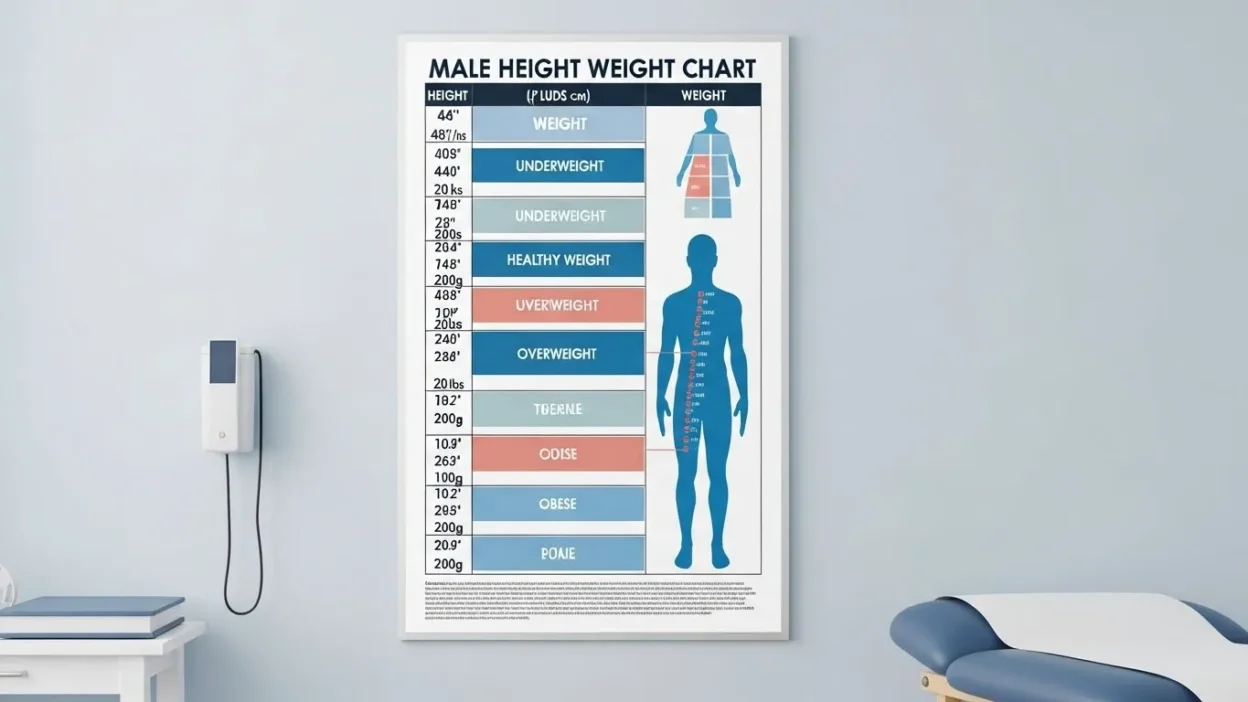
A height weight chart for males is a visual tool that helps men determine a healthy weight range based on their height. It lists various heights, usually in both feet/inches and centimeters, alongside recommended weight ranges in pounds and kilograms. The goal of the chart is to provide a reference point for men to see whether their weight falls within a generally healthy range.
These charts are commonly used by doctors, nutritionists, fitness trainers, and individuals to monitor health and fitness. They are especially helpful for identifying whether someone is underweight, overweight, or within a healthy weight range, which can help prevent conditions such as heart disease, diabetes, joint problems, and high blood pressure.
It is important to note that a height weight chart does not provide a precise measurement of health. Factors such as muscle mass, body fat percentage, age, and genetics play a significant role in determining a healthy weight. For example, an athletic man with high muscle mass may appear heavier than the chart suggests but can still be perfectly healthy.
Despite these limitations, height weight charts serve as a quick and practical guide. They offer a starting point for assessing weight goals, making lifestyle adjustments, and tracking progress over time. Combined with other health measures, such as BMI and body fat analysis, these charts can be a valuable tool for maintaining a balanced and healthy body.
Standard Height Weight Chart for Men
A standard height weight chart for men provides a quick reference for determining a healthy weight range based on height. These charts typically include measurements in both feet/inches and centimeters for height, along with pounds and kilograms for weight. The chart helps men understand where they stand in terms of healthy weight, underweight, or overweight categories.
For example, a man who is 5 feet 7 inches (170 cm) tall may have a recommended weight range of 121–153 pounds (55–69 kg). Similarly, a man who is 6 feet (183 cm) tall may have a healthy weight range of 140–183 pounds (64–83 kg). These ranges are general guidelines, designed to suit men with an average body frame. Men with larger or smaller frames may need to adjust their target weight accordingly.
It is important to remember that these charts provide a range, not a fixed number. The lower end usually indicates a lean, healthy weight, while the upper end accounts for slightly heavier body types with more muscle or bone density. Height weight charts are particularly useful for men who are monitoring their weight for fitness goals, health checkups, or lifestyle planning.
While these charts are helpful, they should be used alongside other health assessments such as BMI, body fat percentage, and overall physical fitness. Combining these tools allows men to get a more complete picture of their health and make informed decisions about diet, exercise, and weight management.
How to Read and Use a Male Height Weight Chart
Using a male height weight chart is simple, but understanding how to interpret it correctly ensures you get accurate guidance for your health. The first step is to measure your height accurately, either in feet/inches or centimeters, depending on the chart you are using. Next, weigh yourself using a reliable scale and record your weight in pounds or kilograms.
Once you have your height and weight, locate your height on the chart. The corresponding weight range shows the healthy weight bracket for men of your height. If your weight falls within this range, you are generally considered to have a healthy weight. If your weight is below the range, it may indicate you are underweight, while a weight above the range could suggest overweight.
It’s important to remember that the chart provides general guidelines, not a strict rule. Factors like muscle mass, body frame size, age, and lifestyle can affect what is healthy for you personally. For example, muscular men may weigh more than the chart suggests but still have low body fat and excellent health.
Many men use the chart to set weight goals, track progress, or monitor changes over time. Combining the chart with tools like BMI calculators or body fat measurements can give a clearer picture of overall health. In essence, the height weight chart serves as a practical reference point, helping men make informed decisions about diet, fitness, and healthy living.
Height Weight Chart vs BMI (Body Mass Index)
While a height weight chart provides a quick reference for healthy weight ranges, BMI (Body Mass Index) is another widely used tool to assess body health. BMI is a numerical value calculated using a person’s weight and height, providing an estimate of whether someone is underweight, normal weight, overweight, or obese. For men, BMI and height weight charts often complement each other in evaluating health.
The BMI formula is simple: BMI = weight (kg) ÷ height² (m²). For example, a man weighing 70 kg and standing 1.75 m tall would have a BMI of 22.9, which falls within the “healthy” range of 18.5–24.9. While BMI does not distinguish between muscle and fat, it helps identify potential health risks associated with being underweight or overweight.
Height weight charts, on the other hand, provide a weight range based on height rather than a numerical score. This makes them easier for men to use as a general guideline, especially when setting fitness or weight goals. However, charts may not account for body frame size, athletic build, or age-related changes.
Using both tools together gives a more complete understanding of male health. For instance, a muscular man may fall above the chart’s weight range but still have a healthy BMI due to low body fat. Conversely, a man within the chart’s range may have a high BMI if carrying excess fat. Combining these tools helps men assess health accurately and make informed lifestyle decisions.
Factors That Affect Ideal Weight in Men
While a height weight chart provides a general guideline, several factors influence what constitutes a healthy weight for men. Understanding these factors helps ensure that weight assessments are personalized rather than strictly based on charts.
1. Age and Metabolism: Men’s metabolism naturally slows with age, making it easier to gain weight even if eating habits remain the same. Younger men typically have higher metabolic rates, which can affect how their weight aligns with chart recommendations.
2. Body Frame Size: Men come in small, medium, or large frames, which impacts their ideal weight. A man with a larger frame may weigh more while still being healthy, while a smaller-framed man may fall within a lower weight range. Height weight charts usually assume an average frame, so individual adjustments are often necessary.
3. Muscle Mass vs. Fat: Muscle is denser than fat, so men with higher muscle mass may weigh more than chart ranges suggest but remain healthy. Athletes and fitness enthusiasts often fall into this category. Conversely, men with low muscle mass may appear healthy according to weight alone but have higher body fat percentages.
4. Genetics and Hormonal Factors: Genetics influence body composition, fat distribution, and metabolism. Hormonal conditions, such as low testosterone or thyroid issues, can also affect weight.
5. Lifestyle and Activity Level: Sedentary men may gain weight faster than those who are active. Diet quality, sleep, and stress levels also play a significant role.
Considering these factors alongside the chart allows men to interpret their weight more accurately and maintain a healthy body in a way that suits their unique physiology and lifestyle.
Height Weight Chart by Age for Males
Weight recommendations for men can vary depending on age, as metabolism, muscle mass, and activity levels change over time. A height weight chart by age provides a more tailored approach, helping men understand what constitutes a healthy weight at different life stages.
1. Teen Boys (13–19 years): During adolescence, boys experience rapid growth in height and muscle development. Weight ranges for teens are broader due to these changes. Charts for this age group focus on supporting healthy growth and development, ensuring teens gain weight appropriately while avoiding excess body fat.
2. Adult Men (20–39 years): In this age group, metabolism is usually higher, and muscle mass peaks. Height weight charts for adults emphasize maintaining a balanced weight, preventing lifestyle-related weight gain, and supporting overall fitness and health.
3. Middle-Aged Men (40–59 years): Metabolism tends to slow, and men may gain fat more easily, especially around the waist. Height weight charts for this age group suggest slightly lower weight ranges, encouraging men to monitor diet, exercise, and cardiovascular health to reduce the risk of obesity-related conditions.
4. Senior Men (60+ years): Older men often lose muscle mass and may face bone density issues. Weight charts for seniors focus on maintaining functional strength and mobility, rather than achieving the lower weight ranges of younger adults. Maintaining weight within the recommended range helps prevent frailty and promotes longevity.
By considering age alongside height, men can use height weight charts more effectively, aligning their weight goals with body changes, health risks, and lifestyle adjustments appropriate for their stage of life.
Athletic Men and Height Weight Charts
For athletic men, standard height weight charts may not always provide an accurate picture of health. These charts are typically designed for men with average body frames and muscle mass, so athletes or highly active individuals often fall outside the suggested ranges, even when perfectly healthy.
Muscle tissue is denser than fat, meaning that men with high muscle mass may weigh more than the chart suggests. For example, a 6-foot male bodybuilder might weigh 200 pounds but have a low body fat percentage, making him healthier than the chart implies. In such cases, relying solely on height weight charts can be misleading and may cause unnecessary concern.
To get a more accurate assessment, athletes should consider body composition measurements, such as body fat percentage, lean muscle mass, or waist-to-hip ratio, in addition to height and weight. These metrics provide insight into overall fitness and health rather than just total weight.
It’s also important for athletic men to focus on performance, strength, and endurance rather than strictly adhering to chart ranges. Maintaining flexibility, stamina, and cardiovascular health often matters more than hitting a specific number on a chart.
While standard height weight charts are a useful starting point, athletes should use them as a general guideline, not a strict rule. Consulting with a fitness professional or nutritionist can help align weight goals with personal health, muscle mass, and performance objectives.
Medical Perspective on Height Weight Charts
From a medical standpoint, height weight charts are valuable tools for assessing general health and identifying potential risks associated with being underweight or overweight. Doctors often use these charts during routine checkups to evaluate a male patient’s weight relative to his height and age.
Being underweight can indicate nutritional deficiencies, hormonal imbalances, or underlying health conditions, while being overweight or obese increases the risk of heart disease, diabetes, high blood pressure, joint problems, and certain cancers. Height weight charts help doctors quickly flag patients who may need further evaluation or lifestyle interventions.
However, medical professionals understand that these charts have limitations. They don’t account for body composition, such as muscle versus fat, bone density, or fat distribution. For example, a muscular man may weigh more than the chart suggests but remain healthy, while a man within the recommended range could still have excess body fat or poor cardiovascular health.
Therefore, doctors often combine height weight charts with other assessments, such as BMI calculations, body fat measurements, waist circumference, and blood tests, to get a complete picture of health. Charts serve as a starting point, helping healthcare providers identify trends and guide conversations about diet, exercise, and lifestyle changes.
Ultimately, height weight charts are most effective when used as part of a holistic approach to health, emphasizing not only weight but also fitness, nutrition, and overall well-being.
Height Weight Chart for Men in kg and lbs (Table Section)
A height weight chart for men provides an easy reference to understand healthy weight ranges based on height. The table below shows approximate weight ranges for men with an average body frame, in both kilograms and pounds, to make it accessible for all readers.
| Height (ft/in) | Height (cm) | Healthy Weight (kg) | Healthy Weight (lbs) |
|---|---|---|---|
| 5’0” | 152 | 45–55 | 99–121 |
| 5’1” | 155 | 47–57 | 104–126 |
| 5’2” | 157 | 49–59 | 108–130 |
| 5’3” | 160 | 51–61 | 112–134 |
| 5’4” | 163 | 53–63 | 117–139 |
| 5’5” | 165 | 55–66 | 121–145 |
| 5’6” | 168 | 57–68 | 125–150 |
| 5’7” | 170 | 59–70 | 130–154 |
| 5’8” | 173 | 61–73 | 134–161 |
| 5’9” | 175 | 63–75 | 139–165 |
| 5’10” | 178 | 65–78 | 143–172 |
| 5’11” | 180 | 67–81 | 148–179 |
| 6’0” | 183 | 70–83 | 154–183 |
| 6’1” | 185 | 72–86 | 159–190 |
| 6’2” | 188 | 75–89 | 165–196 |
This chart serves as a general guideline to help men track their weight and maintain a healthy lifestyle. It is particularly useful for setting fitness goals, monitoring progress, or discussing health with a doctor.
Keep in mind that these ranges are averages. Body frame size, muscle mass, and age can all affect what weight is ideal for an individual. Using this table in combination with BMI, body fat measurements, and professional advice ensures the most accurate assessment of health and fitness
Limitations of Height Weight Charts
While height weight charts are useful for providing general guidance on healthy weight ranges, they have several limitations that men should keep in mind. Understanding these limitations ensures that the charts are used as tools, not strict rules.
1. General Guidelines, Not Absolute Rules: Height weight charts are based on averages and assume a typical body frame. Men with larger or smaller frames may naturally fall outside the recommended range without being unhealthy.
2. Muscle Mass vs. Fat: Men with high muscle mass may weigh more than the chart suggests but have low body fat and excellent health. Conversely, a man within the recommended weight range may have excess fat and low muscle, making him less healthy than the chart indicates.
3. Age and Lifestyle: Charts often do not account for changes in metabolism, activity level, or body composition that occur with aging. Older men may carry less muscle but more fat, so relying solely on weight can be misleading.
4. Ethnic and Genetic Differences: Body composition can vary by ethnicity and genetics, affecting ideal weight ranges. Charts do not account for these variations.
5. Focus on Weight Alone: Height weight charts emphasize numbers rather than overall health, such as cardiovascular fitness, diet quality, or mental well-being. Using the chart as the only measure of health can be misleading.
In summary, height weight charts are best used alongside BMI, body fat analysis, and lifestyle assessments. They provide a helpful starting point but should never replace professional medical advice or personalized health evaluations.
Tips to Maintain a Healthy Weight According to Height
Maintaining a healthy weight according to your height requires a combination of balanced nutrition, regular exercise, and lifestyle management. While height weight charts provide guidance, practical strategies are essential for achieving long-term health.
1. Follow a Balanced Diet: Focus on nutrient-rich foods such as lean proteins, whole grains, fruits, and vegetables. Limit processed foods, sugary drinks, and excessive fats. Portion control is key to maintaining weight within a healthy range.
2. Exercise Regularly: Incorporate a mix of cardio and strength training to support weight management and muscle development. Cardio activities like running, swimming, or cycling help burn calories, while resistance training builds lean muscle, which boosts metabolism.
3. Monitor Your Progress: Keep track of your weight, BMI, or body fat percentage regularly. Using a height weight chart as a reference allows you to see if your current lifestyle is helping you stay within a healthy range.
4. Prioritize Sleep and Stress Management: Poor sleep and high stress can disrupt hormones that regulate appetite and metabolism. Aim for 7–9 hours of quality sleep each night and practice stress-reducing activities like meditation, yoga, or deep breathing.
5. Stay Consistent: Healthy weight maintenance is a long-term commitment. Avoid extreme diets or temporary fixes. Focus on sustainable habits that align with your body type, age, and activity level.
By combining these strategies with the insights from a male height weight chart, men can maintain a healthy weight, reduce the risk of chronic diseases, and improve overall physical and mental well-being.
(FAQs)
When it comes to height weight charts for men, many questions arise. Here are some of the most common inquiries and clear answers to help readers understand and use these charts effectively.
1. What is the ideal weight for my height as a male?
The ideal weight depends on height, body frame, age, and muscle mass. A height weight chart provides a general healthy range, but individual variations mean that the “ideal” weight may differ from the chart.
2. Are height weight charts accurate?
Charts give a general guideline and are helpful for tracking weight trends. However, they do not account for muscle mass, body fat distribution, or lifestyle factors, so they should not be used as the sole indicator of health.
3. Can I rely on charts for weight loss goals?
Yes, they can serve as a starting point to set realistic goals. However, combining charts with BMI, body fat measurements, and professional guidance is recommended for safe and effective weight loss.
4. How often should I check my weight?
Checking your weight weekly or monthly is sufficient for tracking trends. Daily weigh-ins may lead to unnecessary stress, as weight naturally fluctuates due to water retention, food intake, and other factors.
5. Is BMI better than height weight charts?
Both tools complement each other. BMI provides a numerical assessment, while height weight charts offer a visual range. Using both helps create a more comprehensive view of male health and fitness.
By understanding these FAQs, men can use height weight charts effectively, make informed decisions about diet, exercise, and lifestyle, and maintain a healthy weight tailored to their body type and goals.
Conclusion
A height weight chart for males is a practical tool that provides guidance on maintaining a healthy weight relative to height.
While it does not replace personalized medical advice, it serves as an effective starting point for men looking to monitor their health, set fitness goals, or track progress over time.
By understanding where your weight falls within the recommended range, you can make informed choices about diet, exercise, and lifestyle.
It is important to remember that height weight charts offer general guidelines, not strict rules. Factors such as age, muscle mass, body frame, genetics, and activity level all influence what constitutes a healthy weight for an individual.
Athletic men or those with a muscular build may fall outside the chart’s range yet remain in excellent health, highlighting the importance of considering body composition alongside weight.
Incorporating additional measures, such as BMI, body fat percentage, and waist-to-hip ratio, provides a more complete picture of overall health. Regular monitoring, combined with a balanced diet, consistent exercise, quality sleep, and stress management, helps men maintain weight in a healthy range and reduces the risk of chronic diseases.
Ultimately, height weight charts are most effective when used as a guide, not a judgment.
By focusing on long-term healthy habits rather than just numbers, men can achieve sustainable weight management, improve fitness, and support overall well-being, ensuring that their body weight aligns with both health and lifestyle goals.