
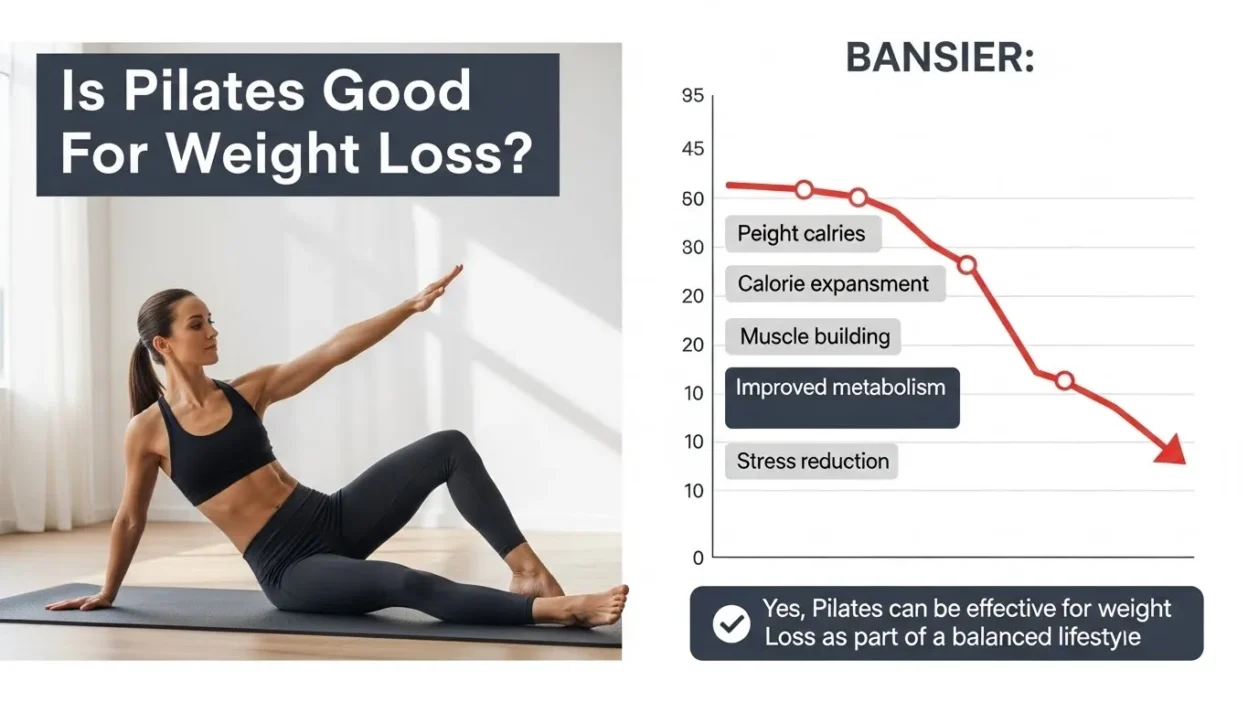
Are you wondering, “Is Pilates good for weight loss?” You’re not alone. Pilates has surged in popularity over the last decade, praised for improving posture, flexibility, and core strength.
But many fitness enthusiasts ask if it can actually help shed pounds. The truth is, Pilates can be a powerful tool for weight loss but it works best when combined with proper nutrition and consistent workouts.
Unlike high-intensity cardio, Pilates focuses on controlled movements, building lean muscle and improving metabolism over time.
This makes it ideal for people looking to tone their body, strengthen their core, and gradually reduce fat.
In this guide, we’ll break down how Pilates helps with weight loss, the types of Pilates most effective for burning calories, how often you should practice, and tips to maximize results.
By the end, you’ll know exactly how Pilates fits into your weight loss journey.
What Is Pilates?
Pilates is a low-impact exercise system developed by Joseph Pilates in the early 20th century. Originally designed to help injured athletes and dancers safely rebuild strength and flexibility, it has grown into a worldwide fitness method. Unlike traditional workouts that focus solely on burning calories, Pilates emphasizes controlled movements, posture, and mind-body connection.
There are two main types of Pilates: Mat Pilates and Reformer Pilates. Mat Pilates uses a yoga-style mat and bodyweight exercises to strengthen core muscles, improve flexibility, and enhance overall balance. Reformer Pilates, on the other hand, incorporates a specialized machine with springs and pulleys to add resistance, making exercises more challenging and calorie-burning.
At the core of Pilates are six principles: concentration, control, centering, flow, precision, and breath. These principles ensure that each movement engages multiple muscle groups, particularly the core, while reducing the risk of injury.
Pilates is often compared to yoga because both focus on flexibility and mind-body awareness, but Pilates places more emphasis on strengthening the muscles, especially the deep abdominal and back muscles, which are crucial for posture and metabolism.
By building lean muscle, improving posture, and enhancing body awareness, Pilates can indirectly support weight loss. While it may not burn as many calories as high-intensity cardio, it improves muscle tone and metabolism, setting the foundation for sustainable fat loss when combined with a proper diet and regular exercise routine.
How Weight Loss Actually Works
Before asking whether Pilates can help you lose weight, it’s important to understand how weight loss truly happens. At its core, weight loss occurs when your body burns more calories than it consumes, creating a calorie deficit. This forces the body to tap into stored fat for energy. While exercise is an important part of this equation, nutrition plays a bigger role—often accounting for 70–80% of successful weight loss.
Several factors influence how efficiently your body burns calories. Muscle mass is a key player: the more lean muscle you have, the higher your resting metabolism, meaning you burn more calories even at rest. Hormones, such as insulin, cortisol, and thyroid hormones, also regulate how your body stores and burns fat. High stress or poor sleep can disrupt these hormones, making it harder to lose weight.
It’s also crucial to differentiate fat loss from weight loss. Losing weight on the scale doesn’t always mean you’re losing fat—it could be water or even muscle. That’s why focusing on body composition, such as inches lost, improved tone, and increased strength, is often a better indicator of progress.
Exercise like Pilates can help by building lean muscle, improving posture, and increasing metabolism. While it may not burn as many calories as running or HIIT, it contributes to sustainable fat loss by supporting your overall calorie-burning potential and helping you maintain a strong, toned body over time.
Does Pilates Burn Calories?
One of the most common questions about Pilates and weight loss is whether it actually burns enough calories to make a difference. The answer depends on the type of Pilates, your intensity level, and the duration of your session. While Pilates is generally lower in intensity than running or high-intensity interval training (HIIT), it still engages multiple muscle groups simultaneously, which can increase calorie burn over time.
For Mat Pilates, a typical 45-minute beginner session burns around 175–250 calories, depending on your weight and effort. Intermediate or advanced sessions can increase this to 250–400 calories per hour. Reformer Pilates is generally more intense because the added resistance from springs and pulleys forces your muscles to work harder, often burning 300–450 calories per hour. Some advanced Pilates fusion classes, like Power Pilates or Pilates HIIT, can burn even more, rivaling traditional cardio workouts.
It’s important to note that Pilates also has an afterburn effect (excess post-exercise oxygen consumption), meaning your body continues to burn calories even after the workout is finished, though not as dramatically as HIIT or strength training.
Compared to other exercises:
- Pilates burns fewer calories than running or cycling but builds lean muscle, which supports long-term metabolism.
- Unlike traditional strength training, Pilates also improves flexibility, posture, and core stability, which helps with movement efficiency and injury prevention.
In short, Pilates alone may not create a massive calorie deficit, but it plays a valuable role in body recomposition, toning muscles and supporting sustainable fat loss when paired with a healthy diet and regular activity.
How Pilates Supports Weight Loss Indirectly
Even if Pilates doesn’t burn as many calories as running or HIIT, it can still be a powerful tool for weight loss through indirect benefits. One of the biggest advantages is that Pilates builds lean muscle, especially in the core, glutes, and back. Muscle is metabolically active tissue, meaning the more muscle you have, the higher your resting metabolism. This allows you to burn more calories throughout the day, even when you’re not working out.
Pilates also improves posture and body alignment, which can make daily movements more efficient. Better posture engages your muscles more effectively during everyday activities, subtly increasing calorie expenditure over time. In addition, Pilates emphasizes mind-body awareness, helping you become more conscious of how your body moves and reacts. This awareness often translates into healthier lifestyle choices, like mindful eating and better exercise habits.
Stress reduction is another key factor. Pilates encourages controlled breathing and concentration, which lowers cortisol levels. High cortisol can lead to fat storage, especially around the abdomen, so managing stress through Pilates can indirectly support fat loss.
Finally, Pilates promotes flexibility and injury prevention, allowing you to stay active longer and incorporate other calorie-burning exercises safely. When combined with a balanced diet and consistent workout routine, Pilates becomes a holistic weight-loss tool, enhancing metabolism, toning muscles, and supporting healthier habits without the harsh impact of high-intensity training.
Can You Lose Weight with Pilates Alone?
Many people wonder if Pilates by itself is enough to shed pounds. The honest answer is: yes, but it depends on your approach and expectations. Pilates can help you lose weight by building lean muscle, improving posture, and boosting metabolism, but the total calories burned are generally lower than high-intensity cardio or strength training. This means that for noticeable weight loss, consistency, intensity, and diet play a crucial role.
For beginners, a regular Pilates routine—about 3–4 sessions per week—can gradually strengthen muscles and tone the body. Over time, as you progress to more advanced movements, calorie burn increases, and body composition improves. However, if your diet remains high in calories, Pilates alone may not create the calorie deficit needed for significant fat loss.
That said, Pilates excels at body recomposition—replacing fat with lean muscle. This can make you look slimmer and more toned, even if the scale doesn’t change dramatically. Many people notice inches lost and improved posture before seeing significant weight loss.
To maximize results, it’s often best to combine Pilates with other forms of exercise, like brisk walking, light cardio, or resistance training, and maintain a balanced diet. This combination accelerates fat loss, strengthens muscles, and improves overall fitness, making Pilates a key component of a sustainable weight-loss plan rather than a stand-alone solution.
Best Types of Pilates for Weight Loss
Not all Pilates workouts are created equal when it comes to weight loss. Some styles focus more on flexibility and posture, while others engage more muscles and burn more calories. Choosing the right type can make a big difference in your results.
1. Mat Pilates: This is the most common form and requires only a mat and your body weight. Mat Pilates focuses on core strength, stability, and controlled movements. While it may burn fewer calories than more advanced forms, it’s excellent for beginners to build strength and establish proper form.
2. Reformer Pilates: Using a specialized machine with springs and pulleys, Reformer Pilates adds resistance to every movement, making exercises more challenging and calorie-intensive. It’s highly effective for building lean muscle and improving overall strength, which indirectly supports weight loss.
3. Power Pilates: This style combines traditional Pilates movements with faster, more dynamic sequences. It increases heart rate and engages multiple muscle groups at once, helping burn more calories and improve endurance.
4. Pilates HIIT Fusion: A relatively new approach, this style alternates Pilates exercises with short bursts of high-intensity cardio. This fusion boosts calorie burn during and after the workout, making it one of the most effective forms for fat loss.
5. Pilates with Props: Resistance bands, Pilates rings, or light weights can add intensity to standard movements, increasing muscle engagement and calorie expenditure.
Choosing the right type of Pilates depends on your fitness level, goals, and preference. For weight loss, combining Reformer, Power, or HIIT-style Pilates with a healthy diet and consistent schedule yields the best results.
How Often Should You Do Pilates to Lose Weight
Frequency and consistency are key when using Pilates to support weight loss. While any movement is better than none, creating a structured schedule ensures you build strength, improve metabolism, and burn calories effectively.
For beginners, starting with 2–3 Pilates sessions per week is ideal. Shorter sessions of 30–45 minutes allow your body to adapt to the movements, strengthen your core, and build foundational muscle without overexertion. Focus on proper form and slow, controlled movements to maximize results.
Intermediate practitioners can aim for 3–5 sessions per week, gradually increasing intensity and incorporating resistance tools like bands or light weights. Longer sessions of 45–60 minutes, or adding a Reformer class, will help boost calorie burn and enhance muscle tone.
Advanced Pilates enthusiasts can practice 5–6 times per week, combining mat, Reformer, and high-intensity Pilates fusion classes. At this stage, workouts should challenge multiple muscle groups simultaneously, include progressive resistance, and maintain a moderate-to-high pace for maximum fat-burning potential.
In addition to formal Pilates sessions, incorporating daily movement—such as walking, stretching, or light cardio—complements your routine and helps maintain a calorie deficit.
Sample weekly schedule for weight loss:
- Monday: 45 min Reformer Pilates
- Wednesday: 30 min Mat Pilates + core focus
- Friday: 45 min Power Pilates
- Optional weekend: 30 min Pilates HIIT fusion
Consistency over time, paired with a balanced diet, is what drives sustainable weight loss with Pilates. Even moderate routines, practiced regularly, can lead to noticeable results within weeks.
Pilates vs Other Workouts for Weight Loss
When considering Pilates for weight loss, it’s helpful to see how it compares to other popular workouts. While Pilates offers unique benefits, understanding its strengths and limitations can help you design the most effective routine.
Pilates vs Yoga: Both focus on flexibility, core strength, and mind-body connection. However, traditional yoga generally burns fewer calories than dynamic Pilates styles like Power or Reformer Pilates. Pilates emphasizes muscle engagement and toning, which helps improve metabolism, whereas yoga primarily enhances flexibility and relaxation.
Pilates vs Cardio: Cardio workouts like running, cycling, or HIIT burn more calories during the session and create a faster calorie deficit. However, Pilates builds lean muscle, which increases your resting metabolic rate and helps with long-term fat loss. Cardio alone may lead to temporary weight loss, but combining it with Pilates produces better body composition and muscle tone.
Pilates vs Strength Training: Strength training focuses on building muscle mass using heavier resistance, which significantly boosts metabolism. Pilates also builds muscle but uses lighter resistance and bodyweight, making it gentler on joints and safer for beginners or those recovering from injuries.
Best approach: Pilates works well as a complementary workout. Combining Pilates with cardio and occasional strength training provides the ideal mix for burning calories, building lean muscle, and improving flexibility. This balanced approach maximizes weight loss while supporting overall fitness, posture, and injury prevention, making Pilates a sustainable addition to any weight-loss plan.
Realistic Results: What to Expect
One of the most important aspects of any weight-loss journey is understanding what results are realistic and when you can expect to see them. Pilates is effective for building strength, improving posture, and supporting fat loss, but the changes often appear gradually.
After 1–2 weeks: Beginners usually notice improved flexibility, better posture, and enhanced body awareness. You may also feel more energized and notice subtle changes in muscle engagement, particularly in the core and back. However, significant fat loss is unlikely at this stage.
After 3–4 weeks: Regular Pilates practice begins to tone muscles and improve endurance. Clothes may feel slightly looser, and you might notice small reductions in inches around the waist, hips, or thighs. Confidence and body awareness typically increase, which often motivates healthier lifestyle choices.
After 8–12 weeks: By this point, consistent Pilates practice combined with a balanced diet can lead to visible changes in body composition. You may notice a reduction in body fat, a more sculpted appearance, and stronger, leaner muscles. Your posture, balance, and overall strength will also be significantly improved.
Long-term results (3–6 months): Individuals who maintain a consistent Pilates routine often achieve sustainable fat loss, improved muscle tone, and a more efficient metabolism. Unlike quick-fix diets or short-term exercise programs, Pilates promotes gradual, healthy changes that support long-term wellness.
It’s important to remember that weight loss varies based on individual factors such as metabolism, diet, age, and initial fitness level. Tracking progress through measurements, photos, or how your clothes fit is often more motivating than focusing solely on the scale.
Common Myths About Pilates and Weight Loss
Despite its growing popularity, Pilates is often surrounded by misconceptions, especially when it comes to weight loss. Understanding the truth can help you set realistic expectations and make the most of your workouts.
Myth 1: Pilates is too easy to burn fat.
While traditional Pilates may seem gentle, it engages multiple muscle groups simultaneously and builds lean muscle. Muscle is metabolically active, which means it helps increase your resting metabolism, supporting fat loss over time.
Myth 2: Pilates doesn’t burn calories.
Although Pilates may burn fewer calories than running or HIIT, it still contributes to weight loss through muscle toning and metabolic benefits. Advanced styles like Reformer, Power, and HIIT Pilates can significantly increase calorie burn.
Myth 3: Pilates only improves flexibility.
Flexibility is one benefit, but Pilates also strengthens your core, back, glutes, and legs. This total-body engagement helps reshape your figure and improves posture, giving a slimmer appearance even before major fat loss occurs.
Myth 4: Only women benefit from Pilates.
Pilates is suitable for all genders and ages. Men can gain lean muscle, improve core strength, and enhance overall athletic performance, while women can tone muscles and support fat loss.
Myth 5: Pilates results are instant.
Like any effective fitness program, Pilates requires consistency and time. Gradual changes in body composition, posture, and strength are more sustainable than quick fixes.
By understanding these myths, you can approach Pilates with realistic expectations and integrate it into a balanced weight-loss plan that combines nutrition, consistency, and progressive training.
Tips to Maximize Weight Loss with Pilates
Pilates can be a highly effective tool for weight loss, but like any workout, results improve when you approach it strategically. Here are several tips to maximize fat loss and muscle tone with Pilates:
1. Be consistent.
Consistency is key. Aim for 3–5 Pilates sessions per week, gradually increasing intensity as your strength improves. Regular practice helps build lean muscle, improve posture, and boost metabolism.
2. Combine with other forms of exercise.
Adding cardio or light strength training to your routine increases overall calorie burn. Activities like brisk walking, cycling, or HIIT sessions complement Pilates and accelerate weight-loss results.
3. Focus on form and mind-body connection.
Pilates emphasizes controlled, precise movements. Proper form ensures muscles are fully engaged, preventing injury and maximizing calorie expenditure. Concentrate on breathing, posture, and muscle activation during each movement.
4. Incorporate resistance tools.
Using resistance bands, weights, or Pilates rings increases intensity, engages more muscles, and enhances calorie burn. Advanced techniques challenge the body and promote lean muscle growth.
5. Support with nutrition.
Even the best Pilates routine won’t deliver results without a balanced diet. Focus on whole foods, lean protein, fiber, and healthy fats. Staying hydrated and tracking calorie intake helps maintain a deficit needed for weight loss.
6. Track your progress.
Use measurements, photos, or fitness apps to monitor changes in body composition. This helps you stay motivated and adjust your routine as needed.
By combining these strategies with regular Pilates, you can optimize weight-loss results, tone your muscles, and improve overall fitness more effectively than Pilates alone.
Who Should Try Pilates for Weight Loss
Pilates is a versatile workout suitable for a wide range of people, making it an excellent option for many individuals seeking weight loss. Its low-impact nature, focus on core strength, and mind-body connection allow nearly anyone to benefit safely.
1. Beginners:
For those new to exercise, Pilates provides a gentle introduction that strengthens muscles, improves flexibility, and builds confidence. It’s easier on joints than high-impact workouts, reducing the risk of injury while still supporting weight-loss goals.
2. People with joint pain or injuries:
Pilates is ideal for individuals with knee, hip, or back issues, as it emphasizes controlled movements and low-impact exercises. By strengthening stabilizing muscles, Pilates can help alleviate pain and make daily activities easier, which supports overall calorie expenditure.
3. Postpartum women:
Pilates focuses on core and pelvic floor strength, making it beneficial for women recovering after pregnancy. Rebuilding core strength not only improves posture but also contributes to a toned, slimmer appearance.
4. Busy professionals:
Short, focused Pilates sessions—often 30–45 minutes—can fit into tight schedules while still improving strength, flexibility, and metabolism. It’s a practical workout for people who struggle to commit to longer routines.
5. Older adults:
With its low-impact movements, Pilates helps older adults maintain muscle mass, flexibility, and balance. Maintaining muscle is critical for metabolism and fat loss, making Pilates a sustainable way to stay active.
6. Anyone seeking holistic fitness:
Pilates doesn’t just aid weight loss—it also improves posture, reduces stress, and enhances overall well-being. It’s suitable for anyone wanting toning, strength, and mind-body awareness alongside gradual fat loss.
In short, Pilates is flexible and safe enough for nearly everyone, while offering measurable benefits for both weight management and overall health.
(FAQs)
1. Is Pilates better than the gym for weight loss?
Pilates focuses on muscle toning, core strength, and flexibility, while the gym often emphasizes cardio and heavy strength training. For sustainable fat loss, Pilates is best combined with other workouts and a healthy diet rather than replacing all gym exercises.
2. Can Pilates reduce belly fat?
Pilates strengthens the core muscles, which improves posture and body tone. While spot reduction isn’t possible, a strong core combined with calorie management and consistent exercise can lead to smaller waist measurements over time.
3. How long before I see results with Pilates?
Beginners often notice improved posture and flexibility within 1–2 weeks. Muscle toning and mild fat loss usually appear after 3–4 weeks, while more significant body changes are visible 8–12 weeks with consistent practice and proper nutrition.
4. Is 20 minutes of Pilates enough?
Short sessions are better than none, especially for beginners, but longer sessions (30–60 minutes) burn more calories and engage muscles more thoroughly. For weight loss, consistency is more important than duration alone.
5. Can I do Pilates every day?
Yes, as long as you vary intensity and focus areas to allow muscles to recover. Combining daily light mat sessions with rest or moderate-intensity Pilates is safe for most people.
6. Does Reformer Pilates burn more calories than mat Pilates?
Yes. Reformer Pilates adds resistance with springs and pulleys, increasing muscle engagement and calorie burn compared to mat-only workouts, making it more effective for fat loss.
These FAQs help clear common doubts and give readers a practical understanding of how Pilates supports weight loss effectively.
Conclusion
Pilates is a highly effective and versatile form of exercise that offers much more than just stretching or flexibility improvements.
While it may not burn as many calories as high-intensity cardio, it supports weight loss through lean muscle development, improved metabolism, and enhanced posture.
By strengthening the core and stabilizing muscles, Pilates helps the body become more efficient at daily movement and calorie use, contributing to long-term fat loss.
It’s important to have realistic expectations. Pilates alone can lead to noticeable toning, better posture, and gradual fat loss, but for optimal results, it should be combined with a balanced diet, consistent exercise, and lifestyle habits like stress management and proper sleep.
The most effective Pilates styles for weight loss include Reformer Pilates, Power Pilates, and Pilates HIIT, which burn more calories while building strength.
Pilates is suitable for a wide range of people—from beginners and postpartum women to older adults and anyone looking for a low-impact yet challenging workout.
It also improves mental well-being, reducing stress and enhancing body awareness, which can indirectly support healthier habits and sustainable weight loss.
In summary, Pilates is not just “good” for weight loss it can be a cornerstone of a holistic fitness routine that promotes muscle toning, metabolism, and overall health.
By practicing consistently, focusing on form, and combining it with proper nutrition, you can achieve noticeable results, feel stronger, and enjoy a healthier, more balanced body over time.

James Patterson is a bestselling author known for his thrilling storytelling, unforgettable characters, and page-turning mysteries. His work has inspired readers across the world with stories full of suspense, love, and emotion. At Talk2Flirt.com, we highlight his creative spark — showing how passion, words, and imagination can connect hearts just like the perfect conversation.