
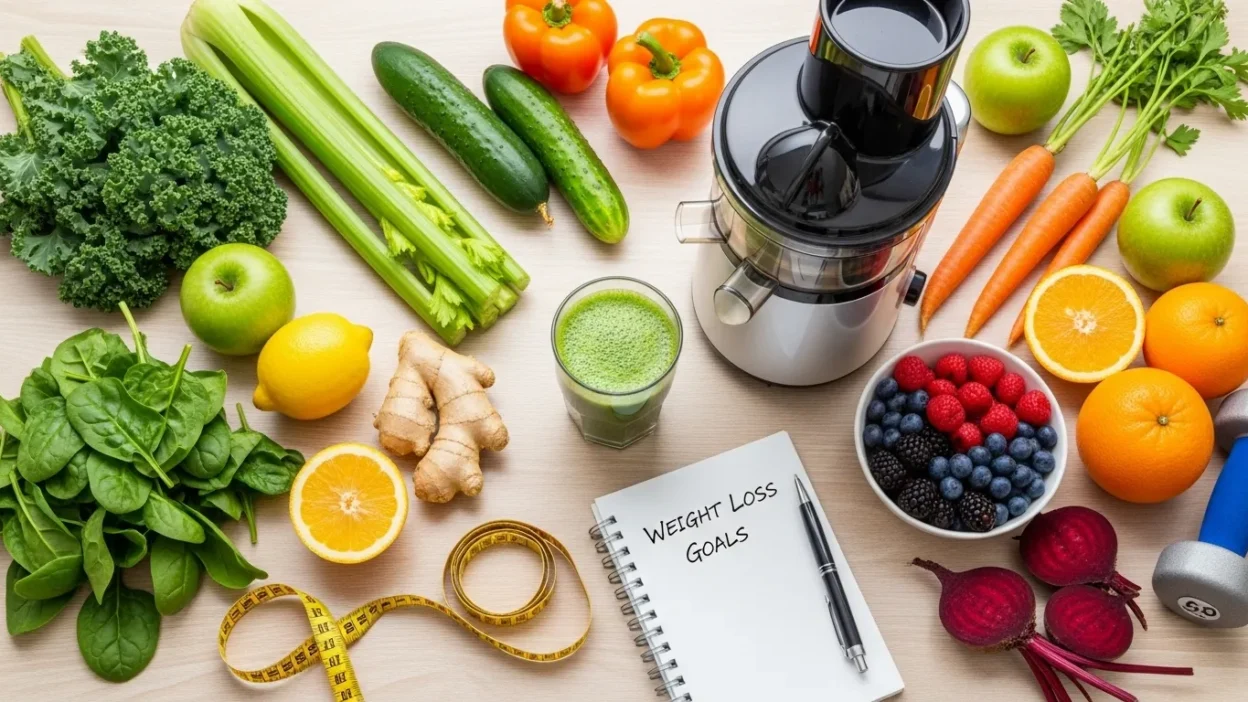
Juicing has become one of the most popular health trends, especially for those looking to shed extra pounds without compromising on nutrition.
By extracting the natural liquids from fruits and vegetables, juicing provides a convenient way to consume a concentrated dose of vitamins, minerals, and antioxidants in every glass.
Unlike high-calorie snacks or processed meals, weight-loss-friendly juices are typically low in calories while keeping you energized and satisfied. If you’re a beginner looking to kickstart your fitness journey or someone seeking a natural way to support your diet, juicing can be an effective tool when done correctly.
In this guide, we’ll explore how juicing can help with weight loss, the best ingredients to include, practical tips to maximize results, and simple recipes that taste great while fueling your body. By the end, you’ll have everything you need to start juicing your way to a healthier you.
What is Juicing?
Juicing is the process of extracting liquid from fresh fruits and vegetables, separating it from the pulp, skin, and seeds. This liquid contains concentrated nutrients, including vitamins, minerals, antioxidants, and phytonutrients, which are easily absorbed by the body. Unlike blending, which keeps the fiber intact, juicing focuses on delivering a smooth, drinkable form of nutrients, making it easier for your body to digest and assimilate essential compounds.
There are several types of juices you can make. Vegetable juices are low in sugar and calories, making them ideal for weight loss. Popular choices include kale, spinach, cucumber, and celery. Fruit juices provide natural sweetness and additional vitamins, but they should be used in moderation due to higher sugar content. Mixed juices combine fruits and vegetables, balancing flavor and nutrition.
Juicing can be done at home using a variety of tools, such as centrifugal juicers, masticating juicers, or even high-speed blenders followed by straining. Homemade juices are generally healthier than store-bought ones because they contain no added sugars, preservatives, or artificial colors.
Understanding the difference between juicing and simply drinking a fruit smoothie is important. While smoothies retain fiber and can be more filling, juices offer a concentrated nutrient boost and can be consumed quickly, making them a convenient option for those looking to support weight loss and overall health.
How Juicing Supports Weight Loss
Juicing can be a powerful ally in your weight loss journey when used correctly. One of the main reasons is that most weight-loss-friendly juices are low in calories but rich in nutrients, which allows you to feel nourished without consuming excess energy. Replacing high-calorie snacks or sugary drinks with fresh vegetable and fruit juices can help create a calorie deficit, which is essential for shedding pounds.
Another way juicing aids weight loss is through appetite management. Juices, especially those that include fibrous vegetables like kale, celery, or spinach, provide essential nutrients that help satisfy cravings and reduce the tendency to overeat. While pure juice has less fiber than whole fruits or vegetables, including some pulp or pairing juice with protein-rich snacks can enhance satiety.
Juicing also boosts metabolism and supports digestion. Many vegetables and superfoods used in juices—such as ginger, lemon, and green tea extracts—contain compounds that can slightly increase calorie burn and improve digestive efficiency. Proper hydration from juice consumption also plays a role, as water helps regulate metabolism and flush out toxins, promoting overall health.
Scientific studies and nutrition experts often highlight that when combined with a balanced diet and regular exercise, juicing can be an effective and sustainable tool for weight management. It is important, however, to avoid relying solely on juice for all meals, as long-term adherence requires variety and sufficient protein, fiber, and healthy fats.
Best Juices for Weight Loss
Not all juices are created equal when it comes to weight loss. Choosing the right combination of fruits, vegetables, and superfoods can maximize results while keeping your drinks delicious. Vegetable-based juices are usually the best option, as they are low in sugar and calories but high in essential nutrients. Ingredients like kale, spinach, celery, cucumber, and parsley are excellent for cleansing the body, boosting metabolism, and promoting fat loss.
Fruits can be added in moderation to improve flavor and provide natural sweetness. Green apples, grapefruit, berries, and lemon are popular choices because they contain fewer sugars than tropical fruits while offering vitamin C and antioxidants that support weight loss and overall health. Combining fruits and vegetables creates a balanced juice that is both tasty and effective.
Certain superfoods and spices can further enhance fat-burning effects. Adding ginger, turmeric, or cayenne pepper can slightly boost metabolism and aid digestion. Fresh herbs like mint or cilantro can also improve flavor while providing additional nutrients.
Here are a few sample weight-loss juice recipes:
- Green Detox Juice: kale, cucumber, celery, lemon, ginger
- Fruity Veggie Juice: spinach, carrot, apple, beetroot
- Metabolism Booster: grapefruit, pineapple, ginger
For best results, make your juices fresh and drink them immediately to retain nutrients. Avoid adding sugar or sweeteners, as these can counteract your weight loss efforts. By carefully selecting ingredients, juicing can become a tasty, low-calorie, and nutrient-packed addition to your weight loss plan.
Juicing Tips for Maximum Weight Loss
To get the most out of your juicing routine, it’s important to follow a few key strategies. First, focus on vegetables over fruits. While fruits add natural sweetness, they also contain sugars that can slow weight loss if consumed in excess. Vegetables like spinach, kale, celery, and cucumber provide essential nutrients with minimal calories, making them ideal for daily juices.
Timing matters. Drinking juice in the morning can kickstart your metabolism and provide energy for the day ahead. Juices consumed before or after a workout can also aid hydration and replenish nutrients lost during exercise. Avoid replacing every meal with juice, as your body still needs protein, healthy fats, and fiber for balanced nutrition.
Portion control is another important factor. Stick to 8–12 ounces per serving and limit yourself to 1–2 servings per day if using juice as a supplement rather than a meal replacement. Pair juices with protein-rich foods, like eggs, Greek yogurt, or nuts, to maintain fullness and prevent overeating.
Use fresh, high-quality ingredients whenever possible. Organic produce reduces pesticide exposure, and freshly made juice retains more vitamins and antioxidants than store-bought options.
Finally, experiment with flavors and ingredients. Adding spices like ginger or turmeric, or herbs like mint, can enhance metabolism and improve taste, making it easier to stick with your juicing plan consistently. By following these tips, juicing can become a sustainable and effective part of your weight loss strategy.
Common Mistakes to Avoid
While juicing can support weight loss, it’s easy to make mistakes that reduce its effectiveness or even harm your health. One common error is relying solely on juice for all meals. Juice lacks protein, healthy fats, and sufficient fiber, which are essential for satiety, muscle maintenance, and long-term health. Using juice as a total meal replacement can lead to nutrient deficiencies and energy crashes.
Another mistake is overloading juices with fruit. While fruit adds sweetness and flavor, excessive sugar can spike blood sugar levels and hinder fat loss. Aim for mostly vegetables with just a small portion of fruit to balance taste and nutrition.
Many people also ignore portion control. Drinking large quantities of juice can unintentionally increase calorie intake, slowing weight loss. Stick to 8–12 ounces per serving and consider juice as a supplement rather than a full meal unless it’s part of a carefully planned program.
Pre-made store-bought juices can be misleading. They often contain added sugars, preservatives, or artificial flavors that reduce nutritional value. Always read labels carefully or make your juice at home for maximum benefits.
Finally, some beginners make the mistake of expecting instant results. Juicing works best as part of a balanced diet, regular exercise, and healthy lifestyle. Consistency is key, and sustainable weight loss comes from long-term habits rather than short-term detoxes.
By avoiding these common mistakes, you can make juicing a safe, effective, and enjoyable part of your weight loss journey.
Juicing Plan for Beginners
Starting a juicing routine for weight loss doesn’t have to be complicated. A simple, structured plan can help beginners stay consistent while enjoying the benefits of nutrient-rich juices. Begin by incorporating one juice per day as a snack or meal supplement, rather than replacing all meals. This approach helps your body adjust and prevents nutrient deficiencies.
A 7-day beginner plan might look like this:
- Morning: Start with a green juice, such as kale, cucumber, celery, lemon, and ginger, to kickstart metabolism and provide energy.
- Midday snack: A small veggie-fruit juice, like spinach, carrot, and apple, can curb cravings and boost hydration.
- Evening: Focus on a lighter juice with hydrating vegetables such as cucumber, celery, and a splash of lemon, which can aid digestion and relax the body before bed.
When preparing juices, aim for mostly vegetables with a small portion of fruit to control sugar intake. Include herbs and spices like mint, parsley, or turmeric for added flavor and metabolism support.
For convenience, you can prep ingredients in advance by washing and chopping vegetables and fruits, storing them in airtight containers in the refrigerator. Freshly made juice should ideally be consumed within 24 hours to retain maximum nutrients.
Beginner juicers should also listen to their bodies. Monitor energy levels, satiety, and digestion, and adjust the types and amounts of juice accordingly. By following a simple, flexible plan, juicing can become a sustainable and enjoyable part of a weight loss routine.
Health Benefits Beyond Weight Loss
While juicing is often used as a tool for weight loss, its benefits extend far beyond shedding pounds. One major advantage is improved digestion and gut health. Fresh vegetable and fruit juices provide essential vitamins, minerals, and antioxidants that support healthy gut bacteria and aid nutrient absorption. Ingredients like ginger, lemon, and leafy greens can help reduce bloating and promote smoother digestion.
Juicing also contributes to increased energy levels. Nutrient-dense juices supply vitamins such as B-complex, vitamin C, and minerals like magnesium and potassium, which are crucial for energy production. Drinking juice in the morning can leave you feeling revitalized and ready to tackle the day.
Another key benefit is enhanced skin, hair, and nail health. The antioxidants and vitamins found in fresh produce, such as vitamin C and beta-carotene, combat free radicals, promote collagen production, and improve overall appearance. Regular intake of fresh juices can contribute to a radiant complexion and stronger hair and nails over time.
Juicing also strengthens the immune system. Ingredients like citrus fruits, spinach, and parsley are rich in immune-boosting compounds that help the body fight infections and reduce inflammation.
Finally, juicing can support overall hydration, which is essential for nearly every bodily function, from maintaining healthy joints to optimizing metabolic processes. By including a variety of fresh fruits, vegetables, and superfoods in your juices, you’re not just supporting weight loss—you’re giving your body a comprehensive boost in health and vitality.
Juicing Safety and Precautions
While juicing can be highly beneficial, it’s important to follow safety guidelines to avoid potential health issues. One major consideration is blood sugar management. Fruit-heavy juices can be high in natural sugars, which may spike blood sugar levels, particularly for people with diabetes or insulin resistance. Opt for vegetable-dominant juices and limit fruit content to keep sugar levels stable.
Allergies and sensitivities are another factor to consider. Some ingredients, such as citrus, celery, or ginger, can cause reactions in certain individuals. Introduce new ingredients gradually and monitor your body’s response.
Juicing also requires proper hygiene to prevent contamination. Wash all fruits and vegetables thoroughly and clean your juicer after every use. Bacteria can grow quickly in leftover pulp, so avoid storing juice for more than 24 hours unless refrigerated in airtight containers.
It’s important to remember that juicing should complement a balanced diet, not replace it entirely. Juice lacks protein, healthy fats, and sufficient fiber, which are essential for long-term health and sustained weight loss. Pair juices with whole foods like lean protein, nuts, and whole grains to maintain nutritional balance.
Finally, consult a healthcare professional if you have underlying health conditions or are taking medications, as certain ingredients in juices—like grapefruit or ginger—can interact with medications. By following these precautions, you can safely enjoy the benefits of juicing while supporting your weight loss and overall health.
FAQs About Juicing for Weight Loss
1. Can I lose weight by juicing alone?
Juicing alone is not recommended for long-term weight loss. While it can help create a calorie deficit, it lacks essential nutrients like protein, fiber, and healthy fats. Juicing is best used as a supplement to a balanced diet, not as a full meal replacement.
2. How many calories are in a typical weight-loss juice?
Most vegetable-dominant juices range from 50–150 calories per 8–12 ounce serving, depending on ingredients. Fruit-heavy juices may contain more calories and sugar, so moderation is key for effective weight loss.
3. What is the best time to drink juice?
Drinking juice in the morning can kickstart your metabolism, while a juice before or after a workout can help hydrate and replenish nutrients. Avoid replacing all meals with juice, especially dinner, to ensure sustained energy.
4. Can juicing replace meals completely?
Long-term meal replacement with juice is not advised. Juices lack protein, healthy fats, and sufficient fiber, which are essential for satiety and overall health. They are best used alongside whole foods.
5. How long should I follow a juice plan?
A sustainable approach is key. You can include juices daily as part of your diet indefinitely, but short-term extreme juice cleanses are not recommended. Focus on moderation, variety, and combining juices with a healthy lifestyle for lasting results.
Juicing can be an effective tool for weight loss when used thoughtfully, and addressing these common questions helps ensure safety, effectiveness, and long-term success.
Conclusion
Juicing for weight loss can be an enjoyable, convenient, and nutrient-packed way to support your health goals.
By focusing on vegetable dominant juices, moderating fruit content, and incorporating metabolism boosting ingredients like ginger, turmeric, and leafy greens, you can create delicious drinks that help curb cravings, boost energy, and support fat loss.
However, juicing works best when combined with a balanced diet, regular exercise, and healthy lifestyle habits. Avoid common mistakes such as relying solely on juice, overloading with fruit, or skipping essential nutrients like protein and fiber.
Starting with a simple, beginner-friendly plan and experimenting with fresh recipes can make juicing a sustainable habit rather than a short-term trend. Beyond weight loss, juicing offers additional benefits, including improved digestion, glowing skin, enhanced energy, and stronger immunity.
With mindful preparation, portion control, and consistency, juicing can become a valuable tool in your long-term journey toward better health and a healthier weight.