Most people think weight loss requires constant effort—strict diets, intense workouts, and relentless self-control. And for a while, that approach might work. But eventually, motivation fades, life gets busy, and the weight comes back. That’s not a personal failure—it’s a system problem.
The truth is, many people lose weight without trying very hard at all. Not because they have better willpower, but because their daily habits, environment, and lifestyle quietly support it. Weight loss becomes a side effect of how they live, not something they have to chase every day.
This article isn’t about shortcuts, magic foods, or extreme routines. It’s about understanding why “trying harder” often backfires—and how small, strategic changes can make weight loss feel almost automatic. When you stop fighting your body and start working with it, results don’t require constant effort. They simply follow.
Why Trying Harder Often Works Against You
At first glance, weight loss seems simple: eat less, move more, repeat. So when results slow down, the natural response is to try harder—cut more calories, add more workouts, tighten the rules. Unfortunately, this is where most people run into trouble.
Your body is not passive in the weight-loss process. It actively adapts to what you do. When you aggressively restrict food, hunger hormones increase, fullness hormones decrease, and your metabolism becomes more efficient. In other words, your body learns how to survive on less, while pushing you to eat more. This is why dieting often leads to constant hunger, low energy, and eventual rebound weight gain.
There’s also a psychological cost. Rigid rules create an “on-track/off-track” mindset. One missed workout or unplanned meal can trigger guilt, frustration, and overeating—not because of a lack of discipline, but because the approach was never sustainable to begin with.
Trying harder also relies heavily on willpower, which is limited. Every food choice, every skipped craving, and every forced workout drains mental energy. When life gets stressful or busy, those decisions are the first to break.
Effortless weight loss works differently. Instead of forcing outcomes, it removes friction. It reduces decision-making, stabilizes appetite, and supports your body rather than fighting it. When habits and environment do the heavy lifting, weight loss no longer depends on constant motivation—and that’s when it starts to last.
The Science Behind Losing Weight Without Trying
Effortless weight loss isn’t about ignoring biology—it’s about working with it. Your body constantly regulates energy balance through hormones, appetite signals, and metabolic processes. When these systems are supported, weight loss can happen with surprisingly little conscious effort.
One key concept is your body’s “set point”—the weight range your brain tries to defend. When you diet aggressively, your body interprets it as a threat. Hunger increases, energy levels drop, and fat loss slows as a protective response. But when changes are gradual and sustainable, the body is far less likely to resist.
Small, consistent behaviors also have a powerful cumulative effect. A daily 20-minute walk, slightly higher protein intake, or better sleep doesn’t feel dramatic—but over weeks and months, these changes influence appetite, insulin sensitivity, and total calorie intake. The result is a natural calorie deficit without tracking or restriction.
Another overlooked factor is metabolic efficiency. Extreme dieting teaches the body to conserve energy, while gentle lifestyle shifts encourage flexibility. Instead of clinging to stored fat, the body becomes more comfortable using it.
Perhaps most importantly, habits reduce decision-making. When meals, movement, and routines are predictable, your brain stops negotiating every choice. This frees mental energy and lowers stress—both of which play a direct role in weight regulation.
In short, losing weight without trying doesn’t mean doing nothing. It means choosing actions that align with human biology. When the process feels easy, it’s not because it’s ineffective—it’s because it’s sustainable.
Your Environment Matters More Than Willpower
Most people believe weight loss is a test of self-control. In reality, it’s largely a response to the environment you live in. What you see, what’s convenient, and what’s habitual shape your behavior far more than motivation ever will.
Research consistently shows that people eat more when food is visible, easily accessible, and packaged in large portions. This happens automatically, without conscious decision-making. When snacks are on the counter or treats are within arm’s reach, willpower is constantly being tested—and eventually, it gives out.
Effortless weight loss flips this dynamic. Instead of resisting temptation all day, you reduce exposure to it. Simple changes like keeping healthier foods visible, storing indulgent foods out of sight, or using smaller plates can significantly reduce calorie intake without triggering feelings of restriction.
The same principle applies outside the kitchen. A lifestyle built around sitting makes movement feel like work. But when walking becomes part of your routine—parking farther away, taking calls while moving, choosing stairs by default—activity happens without planning or effort.
Environment design removes friction from good choices and adds friction to unhelpful ones. It’s not about banning foods or forcing routines; it’s about shaping defaults. When the easiest option is also the healthiest one, behavior changes naturally.
This is why some people seem to “naturally” stay lean. They aren’t constantly making better choices—they’ve built a life where better choices happen automatically. Weight loss becomes less about discipline and more about design.
Move More Without “Working Out”
When people think about weight loss, they often picture intense workouts and rigid exercise plans. But structured exercise is only one small part of daily energy expenditure—and for many people, it’s not the most important one.
A large portion of the calories you burn each day comes from non-exercise activity, known as NEAT (Non-Exercise Activity Thermogenesis). This includes walking, standing, cleaning, carrying groceries, and all the small movements you make without thinking. These activities don’t feel like workouts, yet they can burn far more calories over time than a few shows at the gym each week.
The problem isn’t a lack of exercise—it’s a lack of movement. Modern lifestyles are designed for sitting, which quietly reduces daily calorie burn and makes weight gain easier. The solution isn’t to punish yourself with more workouts, but to reintroduce natural movement into your day.
Simple habits make a difference: walking after meals, taking short movement breaks, standing while on the phone, or choosing walking meetings when possible. These actions don’t require motivation, special clothing, or recovery time.
Enjoyment also matters. Movement that feels forced rarely lasts. When you choose activities you actually like—casual walks, cycling, dancing, playing with kids—consistency becomes effortless.
The goal isn’t to “burn off” food. It’s to create a lifestyle where movement is normal. When activity becomes a background habit rather than a scheduled task, weight loss happens quietly, steadily, and without the mental strain of traditional exercise routines.
Eat in a Way That Regulates Appetite Automatically
Most people don’t overeat because they lack discipline—they overeat because their food makes them hungry. Highly processed foods are designed to be easy to consume quickly while providing little lasting fullness. The result is a cycle of eating, craving, and eating again, even when calorie intake is high.
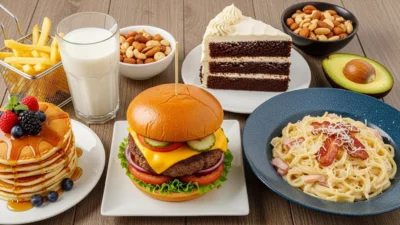
Effortless weight loss focuses less on eating less and more on eating differently. When meals are built around protein, fiber, and minimally processed foods, appetite begins to regulate itself. Protein increases satiety hormones and reduces hunger later in the day, while fiber slows digestion and helps you feel full on fewer calories.
This shift doesn’t require counting or restriction. Simply adding a solid protein source to each meal—eggs, Greek yogurt, lean meats, beans, or tofu—often leads to smaller portions without conscious effort. The same is true for vegetables, fruits, and whole grains, which add volume and nutrients without excess calories.
Another key factor is liquid calories. Sugary drinks, juices, and even some smoothies don’t trigger fullness the way solid foods do. Replacing them with water, sparkling water, or zero-calorie drinks can significantly reduce daily intake without changing how much you eat.
Over time, taste preferences adjust. As ultra-processed foods decrease, cravings fade and simpler foods become more satisfying. Weight loss follows naturally—not because you’re trying to eat less, but because your body no longer needs to overconsume to feel full.
Sleep and Stress: The Hidden Drivers of Weight Gain
You can eat well and stay active, yet still struggle with weight if sleep and stress are working against you. These two factors quietly influence hunger, fat storage, and energy levels in powerful ways.
When you don’t get enough sleep, hormones that regulate appetite shift in the wrong direction. Ghrelin, the hormone that increases hunger, rises, while leptin, which signals fullness, drops. This makes you crave quick, high-calorie foods and eat more without realizing it. At the same time, poor sleep reduces insulin sensitivity, making it easier to store fat.
Chronic stress has a similar effect. Elevated cortisol levels encourage fat storage, particularly around the abdomen, and increase the desire for comfort foods. This isn’t emotional weakness—it’s a biological response designed to help the body cope with perceived threats.
Effortless weight loss often begins with fixing these foundations. Improving sleep by even 30 to 60 minutes per night can significantly reduce appetite and cravings. Simple habits—consistent bedtimes, less screen exposure before sleep, and a darker, cooler room—go a long way.
Managing stress doesn’t require hours of meditation. Short walks, brief breathing exercises, time outdoors, and reducing unnecessary commitments all help lower cortisol levels. When stress decreases, the body becomes more willing to release fat.
By prioritizing sleep and stress management, you remove hidden barriers to weight loss. The result isn’t just a lower number on the scale—it’s better energy, improved mood, and a process that finally feels sustainable.
Build an Identity That Makes Weight Loss Automatic
Lasting weight loss isn’t driven by motivation—it’s driven by identity. When someone says, “I’m trying to lose weight,” the effort is temporary. But when actions align with the identity of a healthy person, those same behaviors happen without thought.
Identity-based habits shift the focus from outcomes to behaviors. Instead of asking, “What do I need to do to lose weight?” the question becomes, “What would a person who takes care of their body do in this situation?” This subtle change removes pressure and replaces rules with consistency.
Habits work best when they’re small and repeatable. Walking after meals, choosing protein-first meals, or winding down at the same time each night may seem insignificant on their own. But once these actions become automatic, they no longer require effort or decision-making.
This approach also eliminates the all-or-nothing mindset that ruins most diets. There’s no “falling off track” because there is no track—just a way of living. Missed workouts or imperfect meals don’t trigger guilt or binge cycles; they’re simply part of normal life.
Over time, these behaviors reinforce identity. You stop seeing yourself as someone who struggles with weight and start seeing yourself as someone who lives in a way that supports health. The scale changes as a result, not as the main goal.
When habits and identity are aligned, weight loss feels effortless—not because nothing is happening, but because nothing feels forced. And that’s the difference between temporary results and lasting change.
Common Myths About Losing Weight Without Trying
The idea of losing weight without trying often triggers skepticism. Many people assume that if weight loss feels easy, it must be ineffective or unhealthy. In reality, the opposite is often true.
One common myth is that real weight loss requires suffering. Diet culture has conditioned people to believe that hunger, exhaustion, and constant restraint are signs of progress. But discomfort is not a requirement for fat loss—it’s usually a sign that the approach is unsustainable.
Another misconception is that without tracking calories or macros, weight loss is impossible. While tracking can be useful for some, it’s not necessary for everyone. Appetite regulation, food quality, and daily movement naturally influence calorie intake without constant monitoring.
There’s also the belief that slow progress means failure. Effortless weight loss often happens gradually, but slower loss is more likely to last. Rapid drops are usually followed by rapid regain, creating the illusion of success while reinforcing frustration.
Some worry that not exercising intensely will stall results. But consistent movement, especially walking and daily activity, is enough for many people—particularly when combined with better sleep and nutrition.
Finally, people assume this approach lacks discipline. In truth, it requires a different kind of discipline: designing systems once instead of relying on motivation every day.
Losing weight without trying doesn’t mean avoiding effort altogether. It means investing effort in the right places—habits, environment, and lifestyle—so you don’t have to fight yourself for results.
What Losing Weight Without Trying Actually Looks Like
Effortless weight loss rarely looks dramatic from the outside. There are no extreme transformations in a few weeks, no rigid meal plans, and no obsession with the scale. Instead, progress shows up quietly—clothes fitting better, energy improving, cravings fading, and weight slowly trending downward.
One of the biggest shifts is mental. Food stops being a constant negotiation. You eat when you’re hungry, stop when you’re full, and move on with your day. Meals become simpler, not perfect. There’s room for flexibility without guilt or compensation.
Weight fluctuations still happen, and that’s normal. Effortless weight loss doesn’t eliminate ups and downs—it removes panic around them. Because the habits are stable, temporary changes don’t derail progress.
Another hallmark is sustainability. This approach fits into real life—busy schedules, social events, and stressful periods. Instead of restarting every Monday, you continue moving forward, even when conditions aren’t ideal.
It’s also important to understand that “without trying” doesn’t mean without awareness. You’re still making choices—but they no longer feel like sacrifices. The effort shifts from daily restraint to long-term design.
For many people, this is the first time weight loss feels calm instead of exhausting. The scale moves because life has changed, not because life has been put on hold. And that’s what makes the results stick.
A Simple Action Plan to Make Weight Loss Inevitable
Effortless weight loss doesn’t require a complete lifestyle overhaul. It starts with a few high-impact changes that remove friction and allow better habits to happen naturally. The goal isn’t perfection—it’s consistency.
Begin with movement. Aim to walk daily, especially after meals. Even 10–15 minutes can improve blood sugar control, digestion, and calorie burn. Walking is easy to repeat, requires no recovery, and fits into almost any schedule.
Next, anchor your meals around protein. Include a protein source at every meal and snack. This alone can reduce hunger, stabilize energy, and naturally lower calorie intake without tracking or restriction.
Improve sleep slightly, not perfectly. Going to bed 30 minutes earlier, limiting screens before sleep, or keeping a consistent wake time can dramatically reduce cravings and stress-related eating.
Design your environment to support you. Keep healthier foods visible and convenient. Remove constant triggers rather than relying on restraint. Use smaller plates, pre-portion snacks, and make water your default drink.
Finally, stop treating weight loss like an emergency. Avoid drastic changes that can’t be maintained. Instead, focus on habits you could continue even during busy or stressful weeks.
When these actions become part of daily life, weight loss follows naturally. You don’t need more motivation—you need better defaults. Build the system once, and let it work quietly in the background.
Conclusion
For years, weight loss has been framed as a battle—against hunger, habits, time, and even your own body.
But when you step back, it becomes clear that constant struggle isn’t a requirement for change. In many cases, it’s the very thing standing in the way.
Losing weight without trying doesn’t mean being passive or careless. It means shifting your focus from short-term results to long-term design.
Instead of forcing yourself to make better choices every day, you create a life where better choices happen naturally.
When movement is built into your routine, food supports your appetite instead of fighting it, and sleep and stress are no longer working against you, weight loss becomes a side effect—not the main project. The scale changes because your lifestyle has changed.
This approach may feel unfamiliar at first, especially if you’re used to pushing harder whenever progress slows. But the calmness is a sign you’re on the right path. Sustainable change doesn’t feel urgent or extreme—it feels normal.
If you’ve struggled with cycles of dieting and regain, consider letting go of the idea that you need more discipline.
What you need is alignment. Stop chasing weight loss and start building habits you don’t want to quit.
When your life supports your health, your body follows—without the constant effort you were told was necessary.

James Patterson is a bestselling author known for his thrilling storytelling, unforgettable characters, and page-turning mysteries. His work has inspired readers across the world with stories full of suspense, love, and emotion. At Talk2Flirt.com, we highlight his creative spark — showing how passion, words, and imagination can connect hearts just like the perfect conversation.