
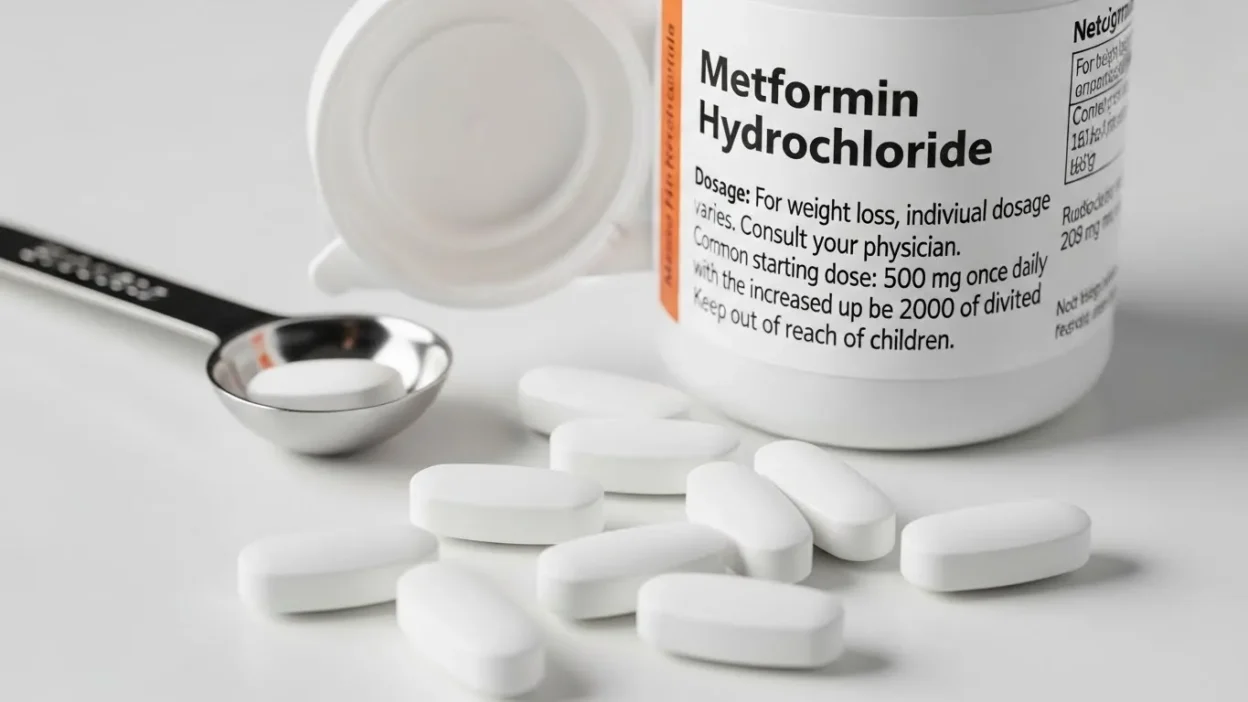
Losing weight can be a challenging journey, especially for those struggling with insulin resistance, PCOS, or prediabetes.
While diet and exercise remain the cornerstone of weight management, many people are turning to medications like metformin to help accelerate results.
Originally prescribed for type 2 diabetes, metformin has been shown to support weight loss by improving insulin sensitivity, regulating blood sugar levels, and reducing appetite.
But how much metformin should you take for weight loss, and is it safe for non-diabetic individuals?
In this comprehensive guide, we’ll break down metformin dosage for weight loss, explain how it works, and provide realistic expectations for results.
You’ll also learn about potential side effects, who should avoid metformin, and tips to maximize weight loss safely.
If you’re managing PCOS, prediabetes, or just looking for an extra boost, this article will answer your questions and help you make informed decisions.
What Is Metformin?
Metformin is a widely prescribed medication primarily used to treat type 2 diabetes. It belongs to a class of drugs called biguanides and works by helping the body regulate blood sugar more effectively. Specifically, metformin reduces glucose production in the liver, improves insulin sensitivity, and helps the body use sugar more efficiently. These mechanisms not only control blood sugar but can also indirectly support weight loss, especially in people with insulin resistance or hormonal imbalances like PCOS.
Although metformin is most commonly prescribed for diabetes management, doctors sometimes recommend it off-label for weight management in certain populations. Women with PCOS, individuals with prediabetes, or those struggling with insulin resistance may see benefits in appetite regulation and modest weight reduction when taking metformin as part of a structured plan that includes diet and exercise.
Metformin is available in several forms, including immediate-release (IR) and extended-release (ER) tablets, which differ in how the medication is absorbed and tolerated. The dosage and type prescribed depend on individual needs, medical conditions, and tolerance. It’s important to note that while metformin can support weight loss, it is not a magic solution. Sustainable results require combining the medication with a healthy lifestyle, including a balanced diet, regular physical activity, and proper medical supervision.
Understanding what metformin is and how it works lays the foundation for safe and effective use in weight loss, which we’ll explore in the following sections.
How Metformin Works for Weight Loss
Metformin supports weight loss primarily by targeting how the body processes glucose and insulin. One of its main actions is reducing glucose production in the liver, which helps prevent spikes in blood sugar levels. Lower blood sugar means the body produces less insulin, and because high insulin levels are linked to fat storage, regulating insulin can make it easier to lose weight.
Another way metformin aids weight loss is by improving insulin sensitivity. This means that cells are better able to absorb and use sugar from the bloodstream for energy rather than storing it as fat. For people with insulin resistance—a common factor in type 2 diabetes and PCOS—this effect can be particularly beneficial.
Metformin may also influence appetite and cravings. Some studies suggest it can help reduce hunger, especially for high-carb or sugary foods, which makes sticking to a calorie-controlled diet easier. Additionally, by stabilizing blood sugar levels, metformin can prevent energy crashes that often lead to snacking or overeating.
It’s important to note that metformin alone is not a weight-loss miracle. Its effects are modest and work best when combined with a healthy diet, regular exercise, and lifestyle adjustments. For individuals with PCOS, prediabetes, or insulin resistance, these combined benefits can make a noticeable difference in weight management over time.
Understanding these mechanisms is essential before diving into the specific dosage for weight loss, which we’ll cover in the next section.
Metformin Dosage for Weight Loss
Determining the right metformin dosage for weight loss depends on individual factors such as age, medical condition, tolerance, and whether you have diabetes or PCOS. Doctors typically start with a low dose to minimize side effects, gradually increasing it based on how your body responds.
For most adults, the starting dose is usually 500 mg once daily, often taken with meals to reduce stomach upset. If tolerated, the dosage may be increased to 500 mg twice daily or more, with the goal of reaching a therapeutic dose between 1,000 mg and 2,000 mg per day. Extended-release (ER) formulations are often preferred for weight loss because they can be taken once daily and tend to cause fewer gastrointestinal side effects.
It’s important to note that while higher doses may lead to more pronounced weight loss, the effect is usually modest, averaging 5–10 pounds over several months, depending on diet and lifestyle. Dosage adjustments should always be done under medical supervision, as exceeding recommended amounts can increase the risk of side effects such as nausea, diarrhea, or in rare cases, lactic acidosis.
For women with PCOS or individuals with prediabetes, doctors may prescribe metformin even if they don’t have diabetes. The key principle is starting low, going slow, and monitoring progress carefully. Combining the right metformin dosage with healthy eating and regular exercise typically yields the best and safest weight loss results.
Metformin Dosage Chart
A metformin dosage chart can help you understand the typical starting and maintenance doses for weight loss, depending on your condition. Keep in mind that all dosage adjustments should be made under a doctor’s supervision to ensure safety and effectiveness.
| Condition | Starting Dose | Maintenance Dose | Maximum Dose | Notes |
|---|---|---|---|---|
| Non-diabetic adults | 500 mg once daily | 1,000–1,500 mg/day | 2,000 mg/day | Start low to reduce side effects; take with meals |
| Prediabetes | 500 mg once daily | 1,500–2,000 mg/day | 2,000 mg/day | Gradual increase improves tolerance |
| PCOS | 500 mg once daily | 1,500–2,000 mg/day | 2,000 mg/day | Often taken with food; ER version preferred |
| Type 2 Diabetes (for weight loss benefit) | 500 mg once daily | 1,500–2,000 mg/day | 2,000 mg/day | Dose depends on glucose levels and tolerance |
The chart highlights that starting low and gradually increasing the dose is crucial to minimize side effects like nausea, bloating, and diarrhea. Extended-release tablets are often preferred for daily dosing, as they reduce gastrointestinal discomfort and improve adherence.
It’s also important to remember that metformin works best in combination with lifestyle changes. Even at the recommended dosage, diet, exercise, and sleep patterns significantly influence the effectiveness of metformin for weight loss.
By using a dosage chart as a guide and working closely with a healthcare provider, individuals can safely incorporate metformin into their weight loss strategy while monitoring for any adverse effects.
Is 500 mg of Metformin Enough for Weight Loss?
Many people wonder whether 500 mg of metformin is sufficient to see meaningful weight loss results. For most beginners, 500 mg is typically the starting dose prescribed by doctors to reduce the risk of side effects such as nausea, diarrhea, or stomach upset. While it can help your body adjust to the medication, 500 mg alone often produces only modest weight loss.
For some individuals, especially those with insulin resistance or PCOS, starting with 500 mg once daily may reduce appetite slightly and stabilize blood sugar, providing small but noticeable improvements in weight over time. However, the most significant weight loss effects usually occur when the dosage is gradually increased to 1,000–2,000 mg per day, depending on tolerance and medical guidance.
It’s important to understand that metformin is not a magic weight-loss pill. Even at 500 mg, it works best when combined with a healthy diet, regular physical activity, and lifestyle adjustments. Patients who rely solely on 500 mg without making these changes may see limited results.
Additionally, everyone’s response to metformin is different. Some people may achieve mild weight loss at 500 mg, while others may require a higher dose for measurable results. The key is to start low, monitor how your body reacts, and adjust the dosage under the guidance of a healthcare professional to ensure safety and effectiveness.
How to Take Metformin for Best Weight Loss Results
To maximize weight loss with metformin, it’s not just about the dosage—it’s also about how you take the medication. Following proper guidelines can improve effectiveness while minimizing side effects.
Timing and Frequency: Metformin is typically taken once or twice daily with meals. Taking it with food helps reduce gastrointestinal discomfort such as nausea, bloating, or diarrhea. Extended-release (ER) versions are often taken once daily, usually with the evening meal, and may be easier to tolerate for long-term use.
Consistency Is Key: Weight loss benefits are most noticeable when metformin is taken consistently at the prescribed dose. Missing doses or irregular intake can affect blood sugar stability and reduce weight loss effects.
Start Low, Go Slow: Doctors often recommend starting at 500 mg once daily, then gradually increasing to the target dose. This stepwise approach helps your body adjust, minimizing side effects while improving tolerance.
Lifestyle Integration: For best results, combine metformin with a balanced diet rich in whole foods, lean protein, and low-glycemic carbohydrates. Regular physical activity and adequate sleep also enhance weight loss and insulin sensitivity.
Hydration and Monitoring: Drink plenty of water to support digestion and kidney function. Regular checkups and lab tests are essential to monitor safety, especially for long-term use.
By following these strategies—timing, consistency, gradual dosage increases, and healthy lifestyle practices—you can safely optimize metformin for weight loss while minimizing side effects.
How Long Does Metformin Take to Work for Weight Loss?
One of the most common questions about metformin for weight loss is how quickly it starts to show results. The answer varies depending on dosage, individual metabolism, lifestyle habits, and underlying health conditions such as insulin resistance or PCOS.
For most people, the initial effects of metformin begin within 1–2 weeks. During this period, many notice reduced appetite and more stable energy levels throughout the day. While these changes may not immediately reflect on the scale, they lay the groundwork for gradual weight loss.
By week 3–4, some individuals may start to observe modest weight loss and decreased cravings, especially for high-sugar or high-carb foods. Consistency in taking the medication, along with diet and exercise, is crucial during this phase.
Significant, more visible results usually appear after 2–3 months of regular use at the recommended dosage. Average weight loss tends to be 5–10 pounds, depending on adherence to lifestyle changes and the body’s response to metformin.
Long-term weight loss and maintenance typically require 3–6 months of continued therapy, combined with a healthy diet and active lifestyle. It’s important to note that metformin works gradually, and results may vary from person to person. Patience and consistency, along with regular medical checkups, are key to achieving safe and sustainable weight loss with metformin.
Expected Weight Loss Results
When using metformin for weight loss, it’s important to have realistic expectations. While metformin can support weight reduction, it is not a rapid weight-loss solution. Most studies show modest but meaningful results when combined with diet and exercise.
On average, adults taking metformin for weight management may lose 5–10 pounds over several months. For some individuals, particularly those with insulin resistance, prediabetes, or PCOS, the effects may be slightly greater, while others may see more gradual progress. Factors such as age, metabolism, diet, physical activity, and overall health play a significant role in determining results.
Weight loss from metformin typically occurs gradually. In the first month, improvements may be subtle, such as reduced appetite and better blood sugar control. By the second or third month, more noticeable changes in body weight and fat distribution may appear. Those taking the extended-release version may experience slower but steadier results with fewer gastrointestinal side effects.
It’s essential to remember that metformin works best as part of a comprehensive approach. Combining it with a balanced diet, regular exercise, adequate sleep, and stress management increases the likelihood of achieving and maintaining weight loss.
Finally, results can vary, and not everyone will respond the same way. Monitoring progress, staying consistent with lifestyle habits, and following your doctor’s guidance will help you achieve safe and sustainable weight loss with metformin over time.
Metformin for Weight Loss in Non-Diabetics
While metformin is primarily prescribed for type 2 diabetes, it is sometimes used off-label for weight loss in non-diabetic individuals. This practice is most common for people with insulin resistance, prediabetes, or PCOS, conditions that can make weight management more challenging.
In non-diabetics, metformin works by improving insulin sensitivity, stabilizing blood sugar levels, and reducing appetite. These effects can support gradual weight loss when combined with a healthy diet and regular exercise. However, it’s important to understand that results in non-diabetics are usually modest—often a few pounds per month—and may vary depending on lifestyle and metabolic factors.
Safety is a critical consideration. Non-diabetic users should only take metformin under the supervision of a healthcare provider. While side effects like nausea, diarrhea, or stomach upset are generally mild, there are rare risks, such as lactic acidosis, particularly in individuals with kidney or liver problems. Monitoring blood tests periodically can help ensure safe usage.
Doctors typically recommend starting at a low dose of 500 mg once daily and gradually increasing to the effective range, usually 1,000–1,500 mg per day, depending on tolerance and response.
Ultimately, while metformin can aid weight loss in non-diabetic individuals, it is not a standalone solution. Combining the medication with a structured diet, consistent physical activity, and other healthy lifestyle habits is essential for safe and sustainable results.
Metformin Dosage for PCOS Weight Loss
Polycystic Ovary Syndrome (PCOS) is a hormonal disorder that often leads to insulin resistance and weight gain, making it difficult for many women to lose weight naturally. For women with PCOS, metformin can be a helpful tool to support weight loss by improving insulin sensitivity, regulating blood sugar levels, and reducing appetite.
Doctors typically start PCOS patients on a low dose of 500 mg once daily, taken with food to minimize gastrointestinal side effects. Over time, the dosage may be gradually increased to 1,500–2,000 mg per day, divided into two or three doses depending on tolerance and whether using immediate-release or extended-release (ER) formulations. Extended-release tablets are often preferred because they are easier on the stomach and can be taken once daily.
Weight loss with metformin for PCOS is generally gradual. Many women notice modest reductions in appetite and slight weight changes within the first month, with more noticeable results appearing after 2–3 months. Combining metformin with a balanced diet, regular exercise, and lifestyle changes enhances the effectiveness and supports sustainable weight loss.
It’s important to note that not all women with PCOS respond the same way to metformin. Some may experience significant benefits, while others may see only modest changes. Regular monitoring by a healthcare professional is essential to ensure safe dosage, track progress, and adjust treatment as needed.
By understanding the appropriate metformin dosage for PCOS weight loss, women can safely incorporate this medication into a comprehensive plan to manage both weight and insulin resistance.
Side Effects of Metformin
While metformin is generally considered safe and well-tolerated, it can cause side effects, particularly when starting treatment or increasing the dosage. Understanding these effects can help you manage them and continue your weight loss journey safely.
Common side effects include:
- Nausea or vomiting
- Diarrhea
- Bloating and gas
- Stomach cramps or discomfort
- Loss of appetite
These gastrointestinal symptoms are usually mild and often improve over time as your body adjusts. Taking metformin with food or using the extended-release (ER) formulation can help reduce these side effects.
Less common side effects may include:
- Headache
- Fatigue
- Metallic taste in the mouth
- Skin rash
Though rare, serious side effects can occur, such as lactic acidosis, a potentially life-threatening condition. Symptoms may include rapid breathing, unusual tiredness, dizziness, or abdominal pain. The risk is higher in people with kidney or liver problems, heart disease, or heavy alcohol use.
Long-term use of metformin may also lead to vitamin B12 deficiency, which can cause fatigue, numbness, or tingling in the hands and feet. Regular blood tests can help detect this early.
To minimize side effects:
- Start with a low dose and increase gradually
- Take metformin with meals
- Use ER formulations if recommended
- Maintain proper hydration
- Consult your doctor if symptoms persist
By being aware of potential side effects of metformin, you can take precautions and continue safely using it to support weight loss.
Is Metformin Safe for Long-Term Use?
Metformin is widely regarded as a safe medication for long-term use, particularly when taken under the guidance of a healthcare professional. It has been used for decades to manage type 2 diabetes, and research indicates that long-term therapy can be effective and well-tolerated for weight management, insulin resistance, and PCOS.
One of the main concerns with prolonged use is the potential for vitamin B12 deficiency. Over time, metformin can reduce the absorption of this essential vitamin, which may lead to fatigue, numbness, tingling in the hands or feet, and other neurological symptoms. Regular monitoring of B12 levels and supplementation if necessary can prevent these complications.
Kidney function is another important consideration. Metformin is generally safe for individuals with normal kidney function, but long-term use in people with kidney disease may increase the risk of lactic acidosis, a rare but serious condition. Periodic kidney function tests help ensure the medication remains safe over time.
Other than these considerations, long-term metformin use has few serious side effects. Many individuals tolerate it well for years, especially when combined with a balanced diet and healthy lifestyle. Extended-release formulations can further improve tolerability for long-term therapy.
Ultimately, metformin can be safely incorporated into a long-term weight management plan if monitored properly. Regular checkups, blood tests, and ongoing communication with your healthcare provider are essential to maximize benefits while minimizing risks.
Who Should NOT Take Metformin
While metformin is generally safe for most people, there are certain individuals who should avoid this medication due to potential health risks. Knowing who should not take metformin is crucial to ensure safety.
People with kidney problems should avoid metformin or use it only under strict medical supervision. Impaired kidney function increases the risk of lactic acidosis, a rare but potentially life-threatening complication. Your doctor may check kidney function regularly through blood tests if you are on metformin long-term.
Liver disease is another contraindication. Individuals with significant liver impairment may have a reduced ability to metabolize the drug, again increasing the risk of lactic acidosis.
Heavy alcohol users should avoid metformin, as excessive alcohol can stress the liver and kidneys and amplify side effects.
Pregnant or breastfeeding women should also exercise caution. While metformin may sometimes be prescribed during pregnancy, it should only be taken under strict medical guidance.
Other conditions that may require avoiding or adjusting metformin include heart failure, severe dehydration, or recent surgery, as these situations can increase the risk of complications.
Finally, anyone with a known allergy to metformin should not take it.
In summary, while metformin is effective for weight loss, PCOS, and insulin resistance, it is not suitable for everyone. Consulting a healthcare provider before starting metformin ensures that it is both safe and appropriate for your individual health needs, and helps avoid serious complications.
Metformin vs Other Weight Loss Medications
When it comes to weight loss, metformin is often compared to other prescription medications, each with different mechanisms, benefits, and side effect profiles. Understanding these differences can help individuals make informed decisions in consultation with their healthcare provider.
Metformin vs Ozempic (Semaglutide): Ozempic works by mimicking a hormone called GLP-1, which slows digestion and reduces appetite. It often leads to more rapid and significant weight loss than metformin. However, it is more expensive, requires injection, and can cause side effects like nausea and vomiting. Metformin, in contrast, is oral, affordable, and generally well-tolerated, though its weight loss effects are more modest.
Metformin vs Wegovy: Wegovy, another GLP-1 receptor agonist, can produce substantial weight loss, often 10–15% of body weight over months. Metformin’s effect is typically smaller (5–10 pounds over several months). Wegovy requires injection and is costly, while metformin is oral and widely accessible.
Metformin vs Phentermine: Phentermine is a stimulant that suppresses appetite. It can result in quick weight loss, but long-term use is limited due to potential cardiovascular side effects and dependence risk. Metformin acts gradually, improving metabolism and insulin sensitivity rather than forcing appetite suppression.
In summary, metformin is safer for long-term use, especially for people with insulin resistance, PCOS, or prediabetes. Other medications may produce faster results, but they often come with higher costs, more side effects, or stricter usage guidelines. Choosing the right medication depends on individual health, weight loss goals, and medical supervision.
Tips to Maximize Weight Loss While on Metformin
While metformin can aid weight loss, combining it with healthy lifestyle habits is essential to achieve meaningful and sustainable results. Here are some strategies to help you maximize the benefits of metformin:
1. Follow a Balanced Diet: Focus on whole foods, lean proteins, healthy fats, and high-fiber carbohydrates. Reducing sugar and refined carbs can enhance metformin’s effect on blood sugar regulation and appetite control.
2. Exercise Regularly: Incorporate both cardio and strength training. Physical activity not only burns calories but also improves insulin sensitivity, which works synergistically with metformin.
3. Stay Hydrated: Drinking plenty of water helps reduce digestive side effects such as bloating or diarrhea and supports overall metabolism.
4. Get Adequate Sleep: Poor sleep can disrupt hormones like insulin and cortisol, affecting weight loss. Aim for 7–9 hours of quality sleep each night.
5. Manage Stress: Chronic stress can increase appetite and fat storage. Practices like meditation, yoga, or deep breathing exercises can help manage stress levels.
6. Take Metformin Consistently: Take the medication at the same time each day with meals to improve tolerance and maintain steady blood sugar levels.
7. Track Progress: Monitoring your weight, diet, and exercise can help identify what works best for your body and keep you motivated.
By combining these lifestyle strategies with metformin therapy, you can significantly enhance weight loss results while supporting long-term health and insulin regulation. Consistency and patience are key to seeing sustainable changes.
(FAQs)
1. Can I lose belly fat with metformin?
Metformin may help reduce overall body fat, including abdominal fat, by improving insulin sensitivity and regulating blood sugar. However, results vary, and combining metformin with diet and exercise is essential for noticeable changes.
2. How fast will I lose weight on metformin?
Most people notice modest weight loss within 2–3 months, averaging 5–10 pounds over several months. Significant results require consistency with dosage, lifestyle changes, and diet.
3. Can I take metformin without diabetes?
Yes, under medical supervision. Non-diabetic individuals with insulin resistance, PCOS, or prediabetes may benefit from metformin for weight management, but it should never be used without a doctor’s guidance.
4. What happens if I stop taking metformin?
Weight loss benefits may plateau or reverse if lifestyle habits are not maintained. Blood sugar levels may also fluctuate, particularly in those with insulin resistance or PCOS.
5. Can I drink alcohol while taking metformin?
Moderate alcohol may be tolerated, but excessive drinking increases the risk of lactic acidosis and other side effects. Always consult your doctor regarding alcohol use.
6. Does metformin affect metabolism?
Metformin improves insulin sensitivity and stabilizes blood sugar, which can indirectly support metabolism and fat utilization. It does not dramatically speed up metabolism on its own.
7. Is metformin better than dieting alone?
Metformin can enhance weight loss when combined with healthy diet and exercise, but it is not a replacement for lifestyle changes. Sustainable results require a comprehensive approach.
These FAQs address common concerns and help users make informed decisions about using metformin for weight loss safely.
Conclusion
Metformin can be a helpful tool for supporting weight loss, especially for individuals with insulin resistance, PCOS, or prediabetes.
By improving insulin sensitivity, regulating blood sugar, and reducing appetite, metformin works to support gradual and sustainable weight reduction.
However, it is important to understand that metformin is not a magic weight-loss pill—its effectiveness depends heavily on combining the medication with healthy lifestyle choices, including a balanced diet, regular exercise, adequate sleep, and stress management.
The right dosage varies for each person. Most individuals start at 500 mg once daily, gradually increasing to 1,000–2,000 mg per day under medical supervision.
Extended-release formulations may improve tolerance and reduce side effects. While modest weight loss—typically 5–10 pounds over several months—is common, results vary depending on metabolism, adherence, and overall lifestyle.
Safety is paramount. Common side effects include nausea, diarrhea, and bloating, which are often temporary, and long-term use may require monitoring for vitamin B12 deficiency.
Certain individuals such as those with kidney or liver problems, heavy alcohol use, or pregnancy should avoid metformin or take it only under strict supervision.
In summary, metformin can be a valuable addition to a comprehensive weight loss strategy when used responsibly and under the guidance of a healthcare professional.
By understanding its mechanisms, following the correct dosage, and maintaining healthy habits, individuals can achieve gradual, safe, and sustainable weight loss.
Always consult your doctor before starting or adjusting metformin to ensure it is appropriate for your unique health needs.