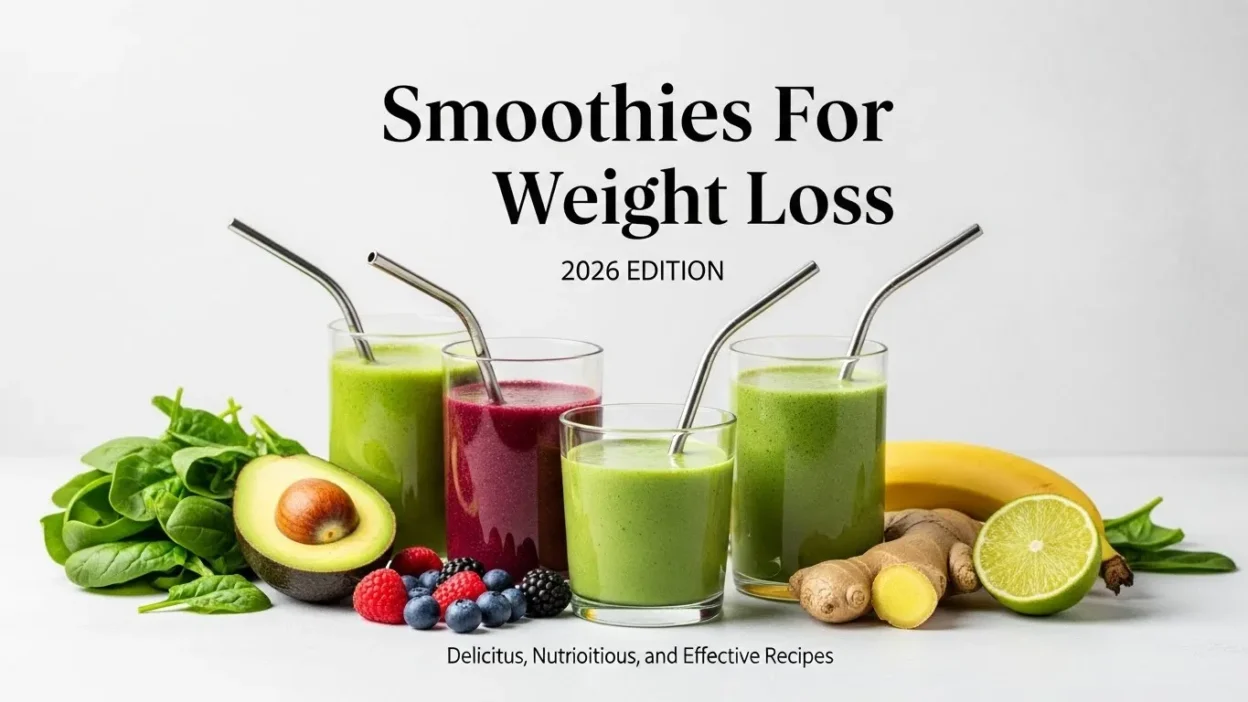
Smoothies for weight loss have become one of the most popular and effective ways to eat healthier while shedding extra pounds.
They are quick to prepare, easy to customize, and packed with nutrients that support fat loss without leaving you hungry.
When made with the right balance of fruits, vegetables, protein, and fiber, weight-loss smoothies can help control cravings, boost metabolism, and support digestion.
Unlike sugary store-bought drinks, homemade smoothies allow you to manage calories and avoid unnecessary additives.
If you’re looking for a filling breakfast, a post-workout recovery drink, or a light meal replacement, smoothies can fit perfectly into your routine. The key is choosing smart ingredients and proper portions.
In this guide, you’ll learn how smoothies help with weight loss, the best ingredients to use, recipes that actually work, and common mistakes to avoid so you can achieve healthy, sustainable results.
How Smoothies Help With Weight Loss
Smoothies can be a powerful tool for weight loss when prepared correctly. One of the main reasons they work is calorie control. By carefully selecting low-calorie, nutrient-dense ingredients, you can create a filling meal that provides fewer calories than traditional breakfasts or snacks. This helps maintain a calorie deficit, which is essential for losing weight.
Another key benefit of weight-loss smoothies is their high fiber content. Fiber from fruits, vegetables, seeds, and oats slows digestion and keeps you feeling full for longer periods. This reduces the urge to snack between meals and helps manage unhealthy cravings. Smoothies are also an excellent way to increase protein intake, which plays a crucial role in fat loss. Protein helps preserve lean muscle mass, supports metabolism, and increases satiety.
In addition, smoothies can help stabilize blood sugar levels when they include balanced ingredients. Pairing natural carbohydrates with protein and healthy fats prevents sugar spikes and crashes that often lead to overeating. Many smoothie ingredients, such as berries, spinach, green tea, and chia seeds, also contain antioxidants and compounds that support fat burning and overall health.
Finally, smoothies make it easier to consume more vegetables and nutrient-rich foods that people often avoid. This improved nutrient intake supports digestion, energy levels, and consistency—making weight loss more sustainable over time.
Best Ingredients for Weight-Loss Smoothies
Choosing the right ingredients is crucial to make smoothies effective for weight loss. Not all smoothies are created equal—some may be high in sugar and calories, sabotaging your efforts. The key is to combine low-calorie fruits, vegetables, protein, healthy fats, and fiber to create a balanced, filling drink.
Low-Calorie Fruits: Berries like strawberries, blueberries, and raspberries are ideal because they are low in sugar and high in fiber. Apples, pears, and citrus fruits also provide natural sweetness without excessive calories. While fruits like bananas and mangoes are nutritious, they should be used in moderation due to higher sugar content.
Vegetables: Leafy greens such as spinach and kale are nutrient-dense, low in calories, and virtually tasteless when blended, making them perfect for smoothies. Other options like cucumber, celery, and zucchini add volume and hydration without adding many calories.
Protein Sources: Protein is essential for preserving muscle and keeping you full. Greek yogurt, plant-based protein powders, nut butters, and seeds like chia or flax provide a protein boost. Combining protein with fiber ensures that your smoothie is both satisfying and supportive of fat loss.
Healthy Liquids: Using almond milk, coconut water, oat milk, or plain water instead of fruit juice or sugary milk keeps calories in check while maintaining smooth texture.
Fiber Boosters: Adding oats, chia seeds, or flaxseed helps slow digestion and supports gut health, reducing hunger between meals.
By carefully selecting these ingredients, your smoothies can be both delicious and highly effective for weight loss, making it easier to stay consistent and reach your goals.
Ingredients to Avoid in Weight-Loss Smoothies
While smoothies can be highly effective for weight loss, choosing the wrong ingredients can quickly turn them into calorie bombs. To maximize fat-burning potential, it’s important to avoid added sugars, high-calorie fillers, and processed items.
Added Sugars and Sweeteners: Many store-bought smoothie mixes and recipes include syrups, honey, or flavored yogurts that significantly increase sugar and calorie content. Excess sugar can spike blood glucose levels, trigger cravings, and slow weight loss progress. Even “natural” sweeteners like agave or fruit juice concentrates should be used sparingly.
High-Calorie Fruits: While fruits are healthy, bananas, mangoes, grapes, and pineapple are higher in sugar and calories. Using too much of these fruits can make your smoothie less effective for weight loss. Moderation is key.
Ice Cream, Full-Fat Yogurt, and Flavored Milks: These ingredients may add creaminess, but they are packed with sugar and unhealthy fats. Opt for low-fat or unsweetened versions instead.
Excess Nut Butters or Seeds: Healthy fats like almond butter, peanut butter, or chia seeds are beneficial, but adding large quantities can dramatically increase calories. Stick to one tablespoon per smoothie for optimal results.
Fruit Juices: Even 100% fruit juices lack fiber and concentrate sugar, making them a less effective choice for fat loss. Using water, almond milk, or coconut water keeps smoothies lighter and more filling.
By avoiding these common pitfalls, you can ensure that your smoothies remain low-calorie, nutrient-dense, and effective for weight loss. The goal is to make smoothies a tool for fat loss, not a source of extra calories that slow your progress.
Best Smoothies for Weight Loss by Goal
Not all smoothies serve the same purpose—choosing the right type for your weight loss goal can make a big difference. Different times of day and activity levels call for specific smoothie compositions to maximize results.
Breakfast Smoothies for Weight Loss: Starting your day with a balanced smoothie helps control appetite and prevent mid-morning cravings. Combine protein (Greek yogurt or protein powder), fiber-rich fruits like berries or apple, and a handful of spinach. This mix provides steady energy and keeps you full until your next meal.
Detox Smoothies: If your goal is to reduce bloating and support digestion, green detox smoothies are ideal. Ingredients like cucumber, celery, kale, lemon, and ginger help flush toxins, reduce water retention, and improve gut health. These smoothies are low in calories yet nutrient-dense, making them perfect for cleansing your system while losing weight.
Post-Workout Smoothies: After exercise, your body needs protein to repair muscles and carbohydrates to restore energy. A post-workout smoothie can combine a scoop of protein powder, a small portion of banana or berries, almond milk, and a spoonful of oats. This helps maintain lean muscle while supporting fat loss.
Dinner Replacement Smoothies: For those looking to reduce evening calorie intake, light dinner smoothies are a smart choice. Focus on vegetables, a small amount of protein, and healthy fats. Avoid high-sugar fruits and heavy additives, as these can interfere with sleep and digestion.
By aligning your smoothies with your specific weight loss goal—whether breakfast, detox, post-workout, or dinner replacement—you can achieve better results and make your smoothie routine more effective.
10 Best Smoothie Recipes for Weight Loss
Creating smoothies that are both delicious and effective for weight loss doesn’t have to be complicated. Here are ten highly effective smoothie recipes you can rotate through your week:
- Green Fat-Burning Smoothie – Spinach, cucumber, green apple, lemon juice, and water. Low in calories and packed with fiber.
- Berry Protein Smoothie – Blueberries, raspberries, Greek yogurt, chia seeds, and almond milk. High in antioxidants and protein for satiety.
- Banana-Free Weight-Loss Smoothie – Strawberries, avocado, spinach, and coconut water. Low sugar yet creamy.
- Oatmeal Smoothie for Belly Fat – Rolled oats, almond milk, cinnamon, and protein powder. Keeps you full for hours.
- Avocado Smoothie for Satiety – Half an avocado, spinach, unsweetened almond milk, and a teaspoon of flaxseed. Healthy fats reduce hunger.
- Spinach Apple Detox Smoothie – Spinach, green apple, cucumber, lemon, and ginger. Helps digestion and reduces bloating.
- Low-Calorie Chocolate Smoothie – Unsweetened cocoa powder, banana (small portion), protein powder, and almond milk. Satisfies sweet cravings without excess sugar.
- Keto-Friendly Smoothie – Coconut milk, avocado, spinach, and protein powder. Low in carbs, high in fat for ketogenic diets.
- Vegan Weight-Loss Smoothie – Almond milk, frozen berries, chia seeds, and pea protein. Completely plant-based but filling.
- High-Fiber Smoothie for Digestion – Flaxseeds, oats, berries, spinach, and water. Supports gut health while promoting satiety.
By rotating these smoothies throughout the week, you can enjoy variety, prevent boredom, and consistently support your weight-loss goals. Each recipe focuses on high-fiber, low-sugar, and protein-rich ingredients, which are key for fat loss and long-lasting energy.
Smoothie Calories How to Keep Them Low
One of the biggest mistakes people make when using smoothies for weight loss is underestimating their calorie content. Even healthy ingredients can add up quickly if portions aren’t controlled. To ensure your smoothies remain effective for fat loss, it’s important to focus on calorie control, portion size, and nutrient balance.
Ideal Calorie Range: A typical weight-loss smoothie should range between 200–400 calories, depending on whether it’s a meal replacement or a snack. Breakfast smoothies may be slightly higher to keep you full, while snack smoothies should be lighter.
Portion Sizes: Using measured portions for fruits, protein, and healthy fats is crucial. For example, one small banana, a handful of berries, one tablespoon of nut butter, or half a cup of Greek yogurt can provide flavor and nutrition without overloading calories.
Measuring vs Guessing: Avoid “eyeballing” ingredients, which can lead to extra calories. Using a kitchen scale, measuring cups, or spoons ensures accuracy.
Common Calorie Mistakes: Adding too much fruit, sweeteners, ice cream, or full-fat yogurt can turn your smoothie into a high-calorie drink. Even healthy fats like avocado or nut butter should be used sparingly. Fruit juices, coconut cream, and honey can also sneak in unnecessary calories.
Balancing Ingredients: Pairing carbohydrates (fruits) with protein (yogurt or protein powder) and fiber (vegetables or oats) slows digestion, stabilizes blood sugar, and keeps you full longer. This balance ensures that your smoothie not only stays within your calorie goals but also supports sustainable weight loss.
By monitoring calories and choosing the right portion sizes, your smoothies can remain nutrient-dense, filling, and effective for weight loss, making your efforts much easier to maintain over time.
How Often Should You Drink Smoothies to Lose Weight?
The frequency of drinking smoothies can significantly impact your weight-loss results. While smoothies are healthy, moderation and timing are key to making them effective without replacing essential nutrients from whole foods.
Once a Day: For most people, drinking one weight-loss smoothie per day is enough to boost nutrition and control appetite. A morning or post-workout smoothie works best because it provides energy and helps prevent unhealthy snacking later in the day.
Twice a Day: Some individuals may benefit from two smoothies daily—one as a meal replacement and another as a snack—especially if they struggle with controlling portion sizes or busy schedules. However, it’s important not to rely solely on smoothies for all meals, as whole foods are necessary for long-term health and satiety.
Meal Replacement vs Snack: Smoothies can replace breakfast or lunch effectively, but they should be balanced with protein, fiber, and healthy fats. As snacks, they can curb hunger without adding too many calories, keeping you on track with your daily calorie goals.
Consistency Matters: Drinking smoothies occasionally is less effective than incorporating them into a consistent routine. Regular use helps manage cravings, supports metabolism, and keeps your energy levels stable.
Listen to Your Body: Everyone’s nutritional needs differ. Some people may feel fuller and more satisfied with a smoothie once a day, while others might need a second one strategically placed around workouts. Track your energy, hunger, and progress to determine what works best for you.
By drinking smoothies strategically and consistently, you can maximize weight-loss benefits while maintaining a balanced, sustainable diet.
Smoothies for Weight Loss Men vs Women
Men and women have different nutritional needs, which can affect how smoothies support weight loss. While the core principles—balanced protein, fiber, healthy fats, and controlled calories—remain the same, customizing smoothies based on gender can improve results.
Calorie Needs: Generally, men require more calories than women due to higher muscle mass and metabolic rate. A weight-loss smoothie for men may contain slightly more protein, healthy fats, or complex carbs to keep them full, whereas women often benefit from slightly smaller portions with a focus on nutrient density.
Protein Requirements: Protein is essential for both genders, but men may need higher amounts to preserve muscle while losing fat. Including protein powders, Greek yogurt, or seeds in men’s smoothies can support metabolism and prevent muscle loss. Women can achieve similar benefits with slightly smaller protein portions.
Hormonal Considerations: Women may experience hunger fluctuations due to hormonal changes, particularly around the menstrual cycle. Smoothies rich in fiber and protein can help manage these cravings. Men typically experience steadier energy levels, so smoothies can focus more on supporting post-workout recovery and sustained satiety.
Personalized Ingredients: Both men and women benefit from low-sugar fruits, leafy greens, and healthy fats. However, portion sizes and macronutrient balance should reflect individual energy needs and activity levels.
Consistency Over Perfection: The most important factor for both genders is consistency. Drinking nutrient-rich smoothies regularly, while maintaining overall calorie control and exercise, is the key to sustainable weight loss.
By understanding these differences, you can tailor your smoothies to better suit your body’s needs and maximize fat-burning results.
Common Mistakes That Stop Weight Loss with Smoothies
Even though smoothies can be a powerful tool for weight loss, several common mistakes can prevent results. Awareness of these pitfalls ensures that your smoothies remain effective and do not hinder your progress.
1. Turning Smoothies into Sugar Bombs: Adding too much fruit, fruit juice, sweetened yogurt, honey, or flavored syrups can make smoothies high in sugar and calories. This can spike blood sugar, increase cravings, and slow fat loss. Stick to low-sugar fruits and natural, minimal sweeteners.
2. Ignoring Protein: Many people focus on fruits and vegetables but skip protein. Without enough protein, smoothies may not keep you full, leading to overeating later. Include protein sources like Greek yogurt, protein powder, or seeds to maintain satiety and support lean muscle.
3. Overusing Healthy Fats: Ingredients like avocado, nut butter, or coconut milk are nutritious, but too much can significantly increase calories. Measure portions carefully—usually one tablespoon of nut butter or half an avocado per smoothie is sufficient.
4. Relying Solely on Smoothies: Replacing all meals with smoothies may lead to nutrient deficiencies and hunger. Smoothies should complement whole foods rather than completely replace them.
5. Drinking Too Quickly: Consuming smoothies too fast can reduce the feeling of fullness. Sip slowly to allow your brain to register satiety.
6. Not Monitoring Portions: Even healthy smoothies can hinder weight loss if the portion is too large. Keep your smoothie between 200–400 calories depending on your meal plan.
By avoiding these mistakes, your smoothies will remain nutrient-rich, satisfying, and effective for fat loss, helping you achieve long-term results.
Smoothies vs Solid Food Which Is Better for Weight Loss?
When it comes to weight loss, both smoothies and solid foods have advantages, but understanding their differences can help you choose what works best for your goals.
Pros of Smoothies: Smoothies are convenient, quick to prepare, and easy to digest. They allow you to pack a lot of nutrients into one meal, including fruits, vegetables, protein, fiber, and healthy fats. For those with busy schedules, smoothies can replace breakfast or lunch without sacrificing nutrition. They can also help increase vegetable intake, which is often difficult to achieve with solid meals.
Cons of Smoothies: Drinking calories is not the same as eating them. Smoothies are less filling than whole foods for some people, especially if they lack enough protein or fiber. Consuming smoothies too frequently or with excessive fruit, sweeteners, or high-calorie ingredients can slow weight loss.
Pros of Solid Foods: Whole foods require chewing, which increases satiety and triggers fullness signals. Eating solid meals often provides better blood sugar control, prevents rapid spikes, and promotes longer-lasting energy. Whole foods are also less likely to lead to overeating when balanced properly.
Finding the Balance: The best approach is a combination. Use smoothies as a meal replacement or snack when convenient, but maintain a diet rich in whole fruits, vegetables, lean protein, and complex carbs. By balancing smoothies and solid foods, you can enjoy the convenience, nutrients, and satiety needed for effective, sustainable weight loss.
Smoothies are a tool—not a replacement for a healthy diet. Used strategically, they can enhance weight-loss efforts while keeping your meals diverse and enjoyable.
Weight Loss Smoothies for Special Diets
Smoothies are highly versatile and can be adapted to fit a variety of dietary preferences and restrictions, making them suitable for almost anyone pursuing weight loss. By choosing the right ingredients, you can align your smoothies with vegan, keto, dairy-free, or gluten-free diets while still supporting fat loss.
Vegan Smoothies: Plant-based smoothies rely on fruits, vegetables, and non-dairy protein sources like pea protein, hemp protein, or soy yogurt. Ingredients such as almond milk, chia seeds, flaxseeds, and avocado provide healthy fats and fiber, keeping you full without animal products.
Keto Smoothies: Low-carb ketogenic smoothies emphasize high-fat, moderate-protein, and minimal-carb ingredients. Use avocado, coconut milk, spinach, and protein powders that are low in carbs. Berries can be included in small portions for flavor and antioxidants without kicking you out of ketosis.
Dairy-Free Smoothies: For those sensitive to lactose, replace milk or yogurt with almond, coconut, or oat milk. Use plant-based protein powders or silken tofu for protein. This approach reduces bloating and keeps calories in check while maintaining smooth texture and taste.
Gluten-Free Smoothies: Naturally, most smoothies are gluten-free. Ensure that any added oats, protein powders, or flavorings are certified gluten-free to prevent hidden gluten intake.
No matter the diet, the key principles remain the same: focus on fiber, protein, healthy fats, and low-calorie fruits and vegetables. By tailoring smoothies to your dietary needs, you can enjoy weight-loss benefits without compromising your nutritional goals or lifestyle preferences.
Smoothies’ adaptability makes them a convenient, enjoyable, and sustainable tool for long-term fat loss across various diets.
Do Smoothies Really Work for Weight Loss?
Yes, smoothies can be an effective tool for weight loss—but only when used correctly. The success of smoothies depends on ingredient selection, portion control, and overall diet quality. A smoothie packed with protein, fiber, and healthy fats can help you stay full, reduce cravings, and support a calorie deficit, which is essential for fat loss.
Evidence-Based Benefits: Research shows that high-protein and high-fiber meals help increase satiety and reduce total calorie intake. Smoothies that combine fruits, vegetables, and protein sources take advantage of this principle, making it easier to stick to a weight-loss plan. Additionally, incorporating nutrient-dense ingredients ensures that your body receives essential vitamins and minerals, supporting metabolism and overall health.
Short-Term vs Long-Term Results: Smoothies can provide quick results when replacing high-calorie meals or snacks, but relying solely on them is not sustainable. Long-term weight loss requires a balanced diet that includes whole foods, lean proteins, and healthy fats in addition to smoothies.
Consistency is Key: Drinking smoothies occasionally may not produce noticeable results. Regularly incorporating well-balanced smoothies into your meal plan, while maintaining calorie control and exercise, maximizes fat-loss potential.
Practical Tip: Track your smoothies’ ingredients and calories, and pair them with a healthy lifestyle. Combining smoothies with exercise, sleep, and stress management ensures that they contribute effectively to weight loss.
In summary, smoothies do work for weight loss, but only as part of a balanced, consistent, and calorie-conscious diet. They are a convenient, nutrient-rich option to make fat loss easier and more sustainable.
FAQs
1. Are smoothies good for belly fat?
Yes, smoothies that are high in fiber, protein, and healthy fats can help reduce overall body fat, including belly fat. Ingredients like leafy greens, berries, chia seeds, and protein powder promote satiety, stabilize blood sugar, and support fat burning.
2. Can I drink smoothies at night?
Yes, but choose a light, low-sugar smoothie with protein and fiber to avoid spiking insulin levels before bed. Heavy, high-sugar smoothies at night may disrupt sleep and lead to fat storage.
3. Are fruit smoothies bad for weight loss?
Not necessarily. Fruit smoothies can be part of a weight-loss plan if you control portions and combine them with protein, fiber, and healthy fats. Avoid excessive high-sugar fruits and fruit juices.
4. How long before I see results?
Results vary depending on diet, activity, and consistency. Generally, incorporating smoothies into a calorie-controlled diet and regular exercise can show noticeable weight loss in 2–4 weeks.
5. Can diabetics drink weight-loss smoothies?
Yes, but diabetics should focus on low-sugar fruits, vegetables, and protein sources while avoiding added sweeteners. Pairing smoothies with healthy fats and fiber helps stabilize blood sugar.
6. How often should I drink smoothies?
One to two smoothies per day is effective for most people, either as a meal replacement or healthy snack. Consistency matters more than frequency.
These FAQs help clarify how smoothies can support healthy, sustainable weight loss when used thoughtfully, with the right ingredients and portion control.
Conclusion
Smoothies can be a highly effective and enjoyable tool for weight loss when used correctly. They offer a convenient way to increase your intake of vegetables, fruits, protein, and fiber while controlling calories.
By choosing the right ingredients—low-sugar fruits, leafy greens, protein sources, healthy fats, and fiber—you can create smoothies that keep you full, stabilize blood sugar, and support fat-burning.
While smoothies provide many benefits, it’s important to remember that they are not a magic solution.
Portion control, ingredient selection, and overall diet quality are key factors that determine their effectiveness.
Avoiding common mistakes like excessive sweeteners, high-calorie fruits, or over-reliance on smoothies ensures that they complement your weight-loss journey rather than hinder it.
Smoothies are also versatile and adaptable to different dietary needs. Whether you follow a vegan, keto, dairy-free, or gluten-free plan, there are countless ways to create weight-loss smoothies that suit your preferences.
They can serve as meal replacements, post-workout recovery drinks, or healthy snacks, making it easier to maintain a consistent routine.
Ultimately, the most important factor is consistency. Drinking well-balanced smoothies regularly, alongside a nutrient-rich diet and active lifestyle, can help you achieve long-term, sustainable results.
By making smoothies a strategic part of your daily plan, you can enjoy delicious, nutrient-packed drinks while steadily reaching your weight-loss goals.
Smoothies are more than a trend they are a practical, science-backed way to support healthy, sustainable fat loss.

I’m a passionate writer at Talk2Flirt.com, dedicated to creating fun, flirty, and engaging content that helps people connect, laugh, and keep the conversation flowing.