
Gaining weight in a healthy and sustainable way can be just as challenging as losing it.
Many people struggle to gain weight due to fast metabolism, busy lifestyles, or medical conditions, and simply eating more junk food often leads to poor nutrition and low energy.
If your goal is to increase your body weight without compromising health, knowing what to eat to gain weight is essential.
A carefully planned diet rich in calories, protein, healthy fats, and nutrient-dense foods can help you build muscle, improve strength, and enhance overall well-being.
In this guide, we’ll explore the best foods to gain weight, meal strategies, and practical tips to make eating more enjoyable and effective.
If you are a hardgainer, vegetarian, or looking to add muscle mass, this comprehensive guide will help you achieve your weight gain goals safely and naturally.
Understanding Healthy Weight Gain
Before diving into what to eat to gain weight, it’s important to understand healthy weight gain. Gaining weight is not just about eating more calories; it’s about providing your body with the right nutrients to build muscle, maintain energy, and support overall health. Healthy weight gain emphasizes a balanced approach that combines calorie-dense foods with proper macronutrients—protein, carbohydrates, and healthy fats.
One of the key concepts in weight gain is a calorie surplus, which means consuming more calories than your body burns in a day. However, simply eating junk food to reach this surplus can lead to unwanted fat gain and other health issues. Instead, the focus should be on nutrient-rich foods that provide vitamins, minerals, and energy while still helping you gain weight.
Another aspect of healthy weight gain is muscle versus fat. When combined with resistance training, a calorie-surplus diet can help convert extra calories into lean muscle mass rather than just body fat. Even small changes in daily eating habits—like adding a smoothie, a handful of nuts, or extra olive oil to meals—can make a significant difference over time.
Patience is essential. Healthy weight gain is gradual, often taking weeks or months to see visible results. By understanding these principles, you can approach your weight gain journey in a safe, effective, and sustainable way.
How Many Calories Do You Need to Gain Weight?
To gain weight effectively, understanding your calorie needs is crucial. Your body burns calories every day just to maintain basic functions like breathing, circulation, and digestion—this is called your Basal Metabolic Rate (BMR). On top of that, physical activity, exercise, and daily movements require additional calories. To gain weight, you need to consume more calories than your body burns, creating a calorie surplus.
A good starting point is to add 300–500 extra calories per day to your normal intake. For some people with very fast metabolisms or high activity levels, a surplus of up to 700–1000 calories per day may be needed. It’s important to track your progress and adjust as necessary. If you’re not seeing weight gain after a couple of weeks, increase your daily intake gradually.
Tracking calories doesn’t have to be complicated. You can use apps, online calculators, or a simple food journal to monitor intake. Focus on calorie-dense, nutrient-rich foods such as whole grains, nuts, healthy fats, and protein-rich foods to reach your target without feeling overly full.
Remember, gaining weight too quickly can lead to unwanted fat gain, while a gradual increase promotes lean muscle growth and better overall health. Consistency is key, and pairing the right calorie intake with proper macronutrients ensures that your weight gain is healthy, sustainable, and effective.
Best Macronutrients for Weight Gain
Gaining weight effectively requires more than just eating extra calories—it’s about getting the right balance of macronutrients: protein, carbohydrates, and healthy fats. Each plays a unique role in helping your body gain weight and build muscle.
1. Protein: The Building Block of Muscle
Protein is essential for repairing and building muscles, especially if you’re doing strength training. High-protein foods like eggs, chicken, fish, dairy products, beans, and lentils help ensure that your weight gain is lean and sustainable. Aiming for 1.2–2 grams of protein per kilogram of body weight per day can support muscle growth while preventing excess fat gain.
2. Carbohydrates: Fuel for Energy
Carbs are your body’s main source of energy, helping you perform daily activities and exercise. Including complex carbohydrates like brown rice, oats, quinoa, whole-grain bread, and starchy vegetables not only boosts calorie intake but also provides fiber and essential nutrients. Carbs also help replenish glycogen stores in muscles, which supports muscle recovery and growth.
3. Healthy Fats: Calorie-Dense Powerhouses
Fats are the most calorie-dense macronutrient, providing 9 calories per gram. Healthy fats from sources like avocados, nuts, seeds, olive oil, and fatty fish increase your calorie intake efficiently. They also support hormone production, brain health, and overall wellness—making them an important part of any weight gain plan.
By combining these macronutrients in every meal, you can create a balanced, calorie-dense diet that promotes healthy weight gain, improves energy levels, and builds muscle over time.
Best Foods to Eat to Gain Weight
Eating the right foods is essential for healthy weight gain. Focusing on calorie-dense, nutrient-rich options helps you add weight without compromising your health. Here’s a breakdown of the best foods to include in your diet:
1. High-Calorie Whole Foods
Whole grains and starchy foods provide both calories and essential nutrients. Foods like rice, oats, whole-grain bread, pasta, and potatoes are excellent sources of complex carbohydrates, giving your body sustained energy and helping you reach a calorie surplus.
2. Protein-Rich Foods
Protein is crucial for building lean muscle. Include eggs, chicken, beef, fish, dairy products, beans, lentils, and chickpeas in your diet. These foods not only help in muscle repair and growth but also add calories in a nutritious way.
3. Healthy Fats
Fats are calorie-dense and essential for hormone production and overall health. Incorporate avocados, nuts, nut butters, seeds, olive oil, and fatty fish into your meals. Adding these foods to smoothies, salads, or snacks is an easy way to increase daily calorie intake.
4. Fruits and Vegetables
While fruits and vegetables are less calorie-dense, certain options like bananas, mangoes, dates, sweet potatoes, and corn provide extra calories and vital vitamins and minerals. They also support digestion and overall well-being.
By combining these foods in your daily meals and snacks, you can steadily increase your calorie intake, build lean muscle, and gain weight in a healthy and sustainable way. Consistency is key—small additions like a handful of nuts, a smoothie, or extra olive oil can make a big difference over time.
Best Drinks & Smoothies for Weight Gain
In addition to solid foods, high-calorie drinks and smoothies can play a significant role in helping you gain weight, especially if you struggle to eat large meals. Smoothies are convenient, easy to digest, and allow you to pack in calories and nutrients without feeling overly full.
1. High-Calorie Smoothies
A well-balanced smoothie can include milk or plant-based milk, yogurt, bananas, oats, peanut butter, and protein powder. These ingredients provide protein, healthy fats, carbohydrates, and vitamins, making them ideal for a weight gain plan. For added calories, consider including avocado, nuts, or honey.
2. Weight Gain Shakes
Mass gainer shakes or homemade calorie-dense shakes are another option. Combine ingredients like full-fat milk, peanut butter, oats, cocoa powder, and a scoop of protein powder to create a shake that can provide 500–700 calories per serving. These drinks are perfect as a meal replacement or post-workout snack.
3. Timing Matters
Drinking smoothies between meals or after workouts ensures your body gets the calories it needs for muscle recovery and growth. A pre-bedtime shake can also help increase calorie intake overnight, when your body is in repair mode.
4. Other High-Calorie Drinks
In addition to smoothies, drinks like full-fat milk, 100% fruit juice, or coconut milk can contribute extra calories while providing nutrients. Avoid sugary sodas or drinks with empty calories, as they do not support healthy weight gain.
Incorporating these drinks into your daily routine makes it easier to reach a calorie surplus and supports healthy, sustainable weight gain without feeling overly stuffed.
Meal Timing & Eating Frequency
When it comes to gaining weight, how often you eat can be just as important as what you eat. Eating frequent, balanced meals ensures a steady supply of calories and nutrients, helping you maintain a calorie surplus without feeling uncomfortably full.
1. Eat 5–6 Small Meals Per Day
Instead of sticking to three large meals, try eating five to six smaller meals spread throughout the day. This strategy allows you to gradually increase calorie intake and provides a continuous source of energy for your body. Include protein, carbs, and healthy fats in each meal to maximize weight gain.
2. Don’t Skip Breakfast
Breakfast kickstarts your metabolism and provides energy for the day. A high-calorie breakfast like eggs with whole-grain toast, avocado, and a smoothie can set the tone for healthy weight gain.
3. Include Snacks Between Meals
Snacks are an excellent opportunity to add extra calories without overloading your main meals. Opt for nuts, trail mix, cheese, yogurt, or peanut butter sandwiches as healthy, calorie-dense options.
4. Pre- and Post-Workout Meals
Eating before and after workouts helps fuel your body and support muscle growth. A pre-workout snack with carbs and protein provides energy, while a post-workout meal or shake helps repair muscles and replenish glycogen stores.
5. Evening Meals and Bedtime Snacks
Adding a small meal or smoothie before bed can contribute to overnight muscle repair and weight gain. Foods like milk, nuts, or a protein shake are ideal.
By planning your meal timing strategically and eating consistently throughout the day, you can reach your calorie goals more comfortably and support healthy, gradual weight gain.
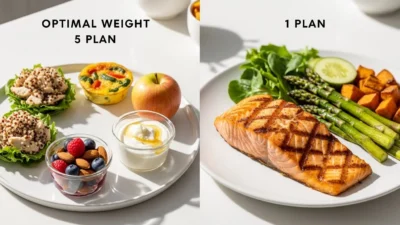
Sample Weight Gain Meal Plan
A structured meal plan can make it easier to reach your daily calorie and nutrient goals for healthy weight gain. Here’s an example of a one-day meal plan designed for someone aiming to gain weight:
Breakfast
- 3 whole eggs scrambled with cheese and vegetables
- 2 slices of whole-grain toast with avocado
- 1 banana
- 1 glass of full-fat milk or smoothie with oats and peanut butter
Mid-Morning Snack
- Handful of mixed nuts (almonds, cashews, walnuts)
- Greek yogurt with honey and berries
Lunch
- Grilled chicken breast or tofu
- 1–2 cups of cooked brown rice or quinoa
- Steamed vegetables drizzled with olive oil
- 1 avocado or handful of seeds
Afternoon Snack
- Peanut butter sandwich on whole-grain bread
- 1 glass of fruit smoothie or milk
Dinner
- Salmon, beef, or lentil stew
- Mashed potatoes or whole-grain pasta
- Steamed broccoli or carrots with olive oil
- Small side salad
Evening Snack / Pre-Bed
- Protein shake or smoothie with milk, banana, oats, and nut butter
- Optional: a small handful of nuts
This meal plan provides a balance of protein, carbohydrates, and healthy fats, ensuring you consume high-calorie, nutrient-dense foods throughout the day. Adjust portion sizes according to your calorie needs, activity level, and body type. Consistently following a plan like this can help you achieve gradual, healthy weight gain, while supporting muscle growth and overall wellness.
Weight Gain Tips for Different Body Types
Not everyone gains weight the same way. Your body type, metabolism, age, and gender play a major role in how quickly you can put on weight. Understanding your unique needs helps you create a more effective weight gain strategy.
1. Hardgainers / Fast Metabolism
People with a fast metabolism often burn calories quickly, making weight gain challenging. For hardgainers, it’s essential to eat calorie-dense foods frequently and focus on liquid calories like smoothies and milkshakes. Adding healthy fats such as nuts, seeds, and avocado increases calories without making you feel overly full. Strength training is also key to converting extra calories into muscle.
2. Males vs Females
Men generally have higher muscle mass and may find it slightly easier to gain weight with resistance training. Women can gain weight effectively by following the same principles but may need smaller, more frequent meals and should focus on nutrient-dense foods to support hormonal balance.
3. Teenagers and Young Adults
Growing teens and young adults need extra calories and protein to support natural growth and muscle development. Incorporate balanced meals, snacks, and smoothies throughout the day, and avoid relying on junk food for calories.
4. Older Adults
As metabolism slows with age, older adults should focus on high-protein, high-calorie foods and strength training to maintain muscle mass. Soft, easy-to-digest foods like smoothies, eggs, and cooked grains can help meet calorie goals comfortably.
By tailoring your approach to your body type and metabolism, you can achieve healthy weight gain more efficiently and sustainably. Small adjustments to meals, portion sizes, and meal frequency can make a big difference over time.
Foods to Avoid While Trying to Gain Weight
While it might seem tempting to eat anything to gain weight, not all calories are equal. Consuming junk food and empty calories may increase your weight temporarily, but it can harm your health, reduce energy, and lead to unwanted fat gain rather than lean muscle.
1. Sugary Snacks and Sweets
Candy, cakes, cookies, and other sugary snacks provide a lot of calories but very little nutrition. They can lead to blood sugar spikes, energy crashes, and fat accumulation instead of healthy weight gain.
2. Sugary Drinks and Sodas
Soft drinks, sweetened juices, and energy drinks are high in sugar and low in nutrients. While they add calories, they do not provide protein, healthy fats, or complex carbs, which are essential for muscle building.
3. Highly Processed and Fast Foods
Foods like fries, chips, packaged snacks, and fried fast food are high in unhealthy fats, sodium, and additives. Eating them regularly can negatively impact heart health and digestion, and they often contribute more to fat gain than muscle gain.
4. Alcohol
Alcoholic drinks provide “empty calories” without essential nutrients and can interfere with muscle recovery and metabolism. Heavy alcohol consumption may hinder your weight gain goals and overall health.
5. Overeating Low-Nutrient Foods
Even when trying to gain weight, focusing on calorie-dense, nutrient-rich foods is more effective than consuming large amounts of low-quality foods. Prioritize whole foods, healthy fats, protein, and complex carbohydrates to support sustainable weight gain.
By avoiding these foods and choosing nutrient-rich options instead, you can gain weight healthily, increase muscle mass, and improve overall well-being.
Role of Exercise in Healthy Weight Gain
Exercise is a key component of healthy weight gain, especially if your goal is to build lean muscle mass rather than just body fat. While diet provides the calories, exercise helps your body use those calories effectively.
1. Strength Training for Muscle Growth
Resistance exercises like weightlifting, bodyweight workouts, and resistance band exercises stimulate muscle growth. When combined with a calorie-surplus diet, strength training ensures that extra calories are converted into muscle instead of fat. Focus on compound exercises such as squats, deadlifts, bench presses, and pull-ups for maximum results.
2. Cardio: How Much is Enough
Cardio is important for heart health, but excessive cardio can burn too many calories and hinder weight gain. Limit intense cardio sessions and prioritize moderate activities like walking, light cycling, or yoga to maintain cardiovascular health without compromising calorie surplus.
3. Post-Workout Nutrition
Eating protein and carbohydrate-rich meals or shakes after workouts helps repair muscles and replenish energy stores. This combination promotes muscle growth and ensures your body makes the most of the calories consumed.
4. Consistency and Rest
Muscle growth occurs during rest, not just during exercise. Aim for adequate sleep, rest days, and recovery periods to allow your muscles to repair and grow effectively.
By combining a calorie-rich, nutrient-dense diet with targeted strength training and proper recovery, you can achieve healthy, sustainable weight gain. Exercise ensures that the weight gained contributes to muscle development, strength, and overall physical wellness.
Supplements for Weight Gain
While a balanced diet should be the foundation of healthy weight gain, supplements can be a helpful addition, especially for those struggling to meet their calorie or protein needs. They should complement, not replace, whole foods.
1. Protein Powders
Protein powders, such as whey, casein, or plant-based options, are an easy way to increase daily protein intake. They support muscle growth and repair, especially when taken after workouts. Mixing protein powder with milk, bananas, or oats can also boost calories in a convenient shake.
2. Mass Gainers
Mass gainers are high-calorie supplements designed for people who struggle to eat enough through whole foods alone. They typically contain carbohydrates, protein, and healthy fats in a single serving, providing 500–1000 calories depending on the product. These can be useful for fast metabolism individuals or hardgainers.
3. Creatine
Creatine is a well-researched supplement that can increase strength, energy, and muscle size when combined with resistance training. It helps your muscles perform better during workouts, indirectly supporting weight gain through muscle growth.
4. Safety and Moderation
Supplements should always be taken according to recommended dosages, and it’s best to consult a healthcare provider or nutritionist before starting any new supplement. Avoid relying solely on powders or mass gainers, as whole foods provide essential vitamins, minerals, and fiber that supplements cannot replace.
In summary, supplements can enhance your weight gain journey, but focusing on nutrient-dense, high-calorie foods should remain the priority for healthy and sustainable results
Common Mistakes That Prevent Weight Gain
Even with the right foods and strategies, certain habits can hinder your weight gain progress. Identifying and avoiding these common mistakes is key to achieving healthy, sustainable results.
1. Skipping Meals
Skipping meals reduces your overall calorie intake, making it difficult to maintain a calorie surplus. Eating consistently throughout the day, with 3–6 meals and snacks, ensures your body has a steady supply of energy for muscle growth and weight gain.
2. Not Eating Enough Calories
Many people underestimate their daily calorie needs. Simply eating slightly more than usual is often not enough to gain weight, especially for fast metabolisms. Track your intake to ensure you are consistently eating a surplus of calories.
3. Overtraining
Excessive cardio or high-intensity workouts can burn too many calories and hinder weight gain. While exercise is important, balancing strength training with adequate rest ensures calories are used to build muscle rather than burned off.
4. Relying on Junk Food
Eating empty calories from sugary snacks or fried foods may increase weight temporarily but often leads to unhealthy fat gain, poor nutrition, and digestive issues. Focus on nutrient-dense, high-calorie foods instead.
5. Unrealistic Expectations
Weight gain, especially lean muscle, is gradual. Expecting quick results can lead to frustration and poor choices. Patience and consistency are crucial—small, steady gains are healthier and more sustainable.
By avoiding these mistakes and sticking to a structured diet and exercise plan, you can maximize your efforts, gain weight safely, and achieve your health and fitness goals more efficiently.
How Long Does It Take to See Results?
Gaining weight is a gradual process, and the timeline for noticeable results varies depending on your metabolism, diet, exercise routine, and body type. Understanding what to expect can help you stay motivated and consistent.
1. Weekly and Monthly Progress
A healthy weight gain target is about 0.25–0.5 kg (0.5–1 lb) per week. This pace allows for lean muscle development rather than excessive fat accumulation. Over a month, you can realistically gain 1–2 kg (2–4 lbs), depending on your calorie surplus and workout intensity. Hardgainers may see slightly slower progress, while beginners to strength training may experience faster initial gains due to muscle adaptation.
2. Signs You’re on Track
Consistent increases in body weight, improved strength, and changes in muscle definition indicate that your plan is effective. Tracking measurements, progress photos, and workout performance can provide motivation beyond the scale.
3. Adjusting Your Plan
If you aren’t seeing results after 2–4 weeks, it may be time to increase your daily calorie intake or reassess your macronutrient balance. Conversely, if you gain weight too quickly, consider moderating calorie intake to avoid excessive fat gain.
4. Patience is Key
Healthy weight gain requires patience and persistence. Rapid weight gain from junk food may show results faster but can compromise your health. Focusing on consistent, nutrient-dense eating and regular strength training ensures sustainable results that improve both body composition and overall wellness.
By understanding the expected timeline and monitoring progress, you can maintain motivation and make small adjustments to ensure steady, healthy weight gain over time.
Next, we can write the section on “When to See a Doctor or Nutritionist” (medical reasons, professional guidance, underlying issues) with 250 words.
Shall I continue?
Next 250 word count
Perfect! Here’s the next 250-word section for your article, focusing on “When to See a Doctor or Nutritionist”:
When to See a Doctor or Nutritionist
While many people can gain weight with a balanced diet and proper exercise, there are times when professional guidance is necessary. Consulting a doctor or nutritionist ensures that weight gain efforts are safe, effective, and tailored to your individual needs.
1. Medical Causes of Low Weight
If you are underweight despite eating enough calories, there may be underlying health issues such as thyroid problems, digestive disorders, or metabolic conditions. A doctor can help identify these issues and recommend appropriate treatment.
2. Digestive or Absorption Issues
Conditions like celiac disease, Crohn’s disease, or chronic diarrhea can prevent your body from absorbing nutrients effectively. A nutritionist or doctor can guide you on specialized diets or supplements to overcome these challenges.
3. Eating Disorders
If weight gain is challenging due to a loss of appetite, anxiety around food, or past disordered eating, professional support is essential. Nutritionists and therapists can help create a healthy, structured plan while addressing the psychological aspects of eating.
4. Customized Nutrition Plans
A registered dietitian can design a personalized weight gain plan based on your body type, metabolism, activity level, and dietary preferences. They can help calculate calorie and protein requirements, recommend meal timing, and suggest supplements safely.
5. Monitoring Progress Safely
Professional guidance ensures you gain weight in a healthy and sustainable way, avoiding excessive fat gain or nutrient deficiencies. Regular check-ins can track body composition, muscle growth, and overall health.
Consulting a doctor or nutritionist is particularly important if you struggle to gain weight despite consistent efforts. With professional support, you can achieve healthy weight gain safely and effectively.
(FAQs)
When it comes to gaining weight, many people have common questions about diet, exercise, and healthy strategies. Here are some of the most frequently asked questions:
1. What is the fastest way to gain weight?
The fastest way is to consume a calorie surplus with nutrient-dense foods, combine it with strength training, and ensure proper rest. However, rapid weight gain from junk food is unhealthy and may lead to fat accumulation rather than muscle growth.
2. Can I gain weight without exercise?
Yes, you can gain weight by increasing your calorie intake, but adding resistance training ensures that the extra calories contribute to muscle growth rather than just fat. Exercise also improves metabolism and overall health.
3. Is junk food okay for weight gain?
While junk food provides calories, it lacks essential nutrients. Relying on it can lead to poor health and fat gain. Focus on whole, nutrient-dense foods like protein, complex carbs, and healthy fats for sustainable results.
4. How many calories should I eat to gain weight?
A good starting point is 300–500 extra calories per day above your maintenance level. Track your progress and adjust calories based on weight changes and energy levels.
5. Can vegetarians gain weight effectively?
Absolutely! Vegetarians can focus on legumes, dairy, eggs, nuts, seeds, whole grains, and plant-based protein powders to reach a calorie surplus and support muscle growth.
These FAQs address common concerns and help beginners understand the principles of healthy weight gain, making it easier to plan meals, track progress, and stay consistent with their goals.
Conclusion
Gaining weight in a healthy and sustainable way requires more than just eating more food.
It’s about providing your body with the right balance of calories, protein, carbohydrates, and healthy fats, combined with consistent meal timing, proper hydration, and, ideally, strength training.
By focusing on nutrient-dense, high-calorie foods such as whole grains, lean proteins, healthy fats, fruits, and vegetables, you can increase your weight while supporting overall health and muscle growth.
Consistency is key. Gradual weight gain, at a rate of about 0.25–0.5 kg (0.5–1 lb) per week, ensures that the added weight is primarily lean muscle rather than excess fat.
Frequent meals, calorie-dense snacks, and high-calorie smoothies or shakes make it easier to reach your daily calorie goals without feeling overly full. Avoid relying on junk food or empty calories, as they may lead to poor nutrition and unwanted fat gain.
Additionally, tailoring your approach to your body type, metabolism, and lifestyle can make the process more effective.
Hardgainers, fast metabolisms, vegetarians, or older adults may require slightly different strategies, but the principles of balanced macronutrients and consistent calorie surplus remain the same.
If challenges persist, consulting a doctor or nutritionist can help identify underlying issues and create a personalized plan. Remember, healthy weight gain is a gradual journey, not a quick fix.
By sticking to a well-planned diet, incorporating strength training, and monitoring progress, you can achieve sustainable, healthy weight gain that improves not only your physique but also your overall energy, strength, and well-being.