
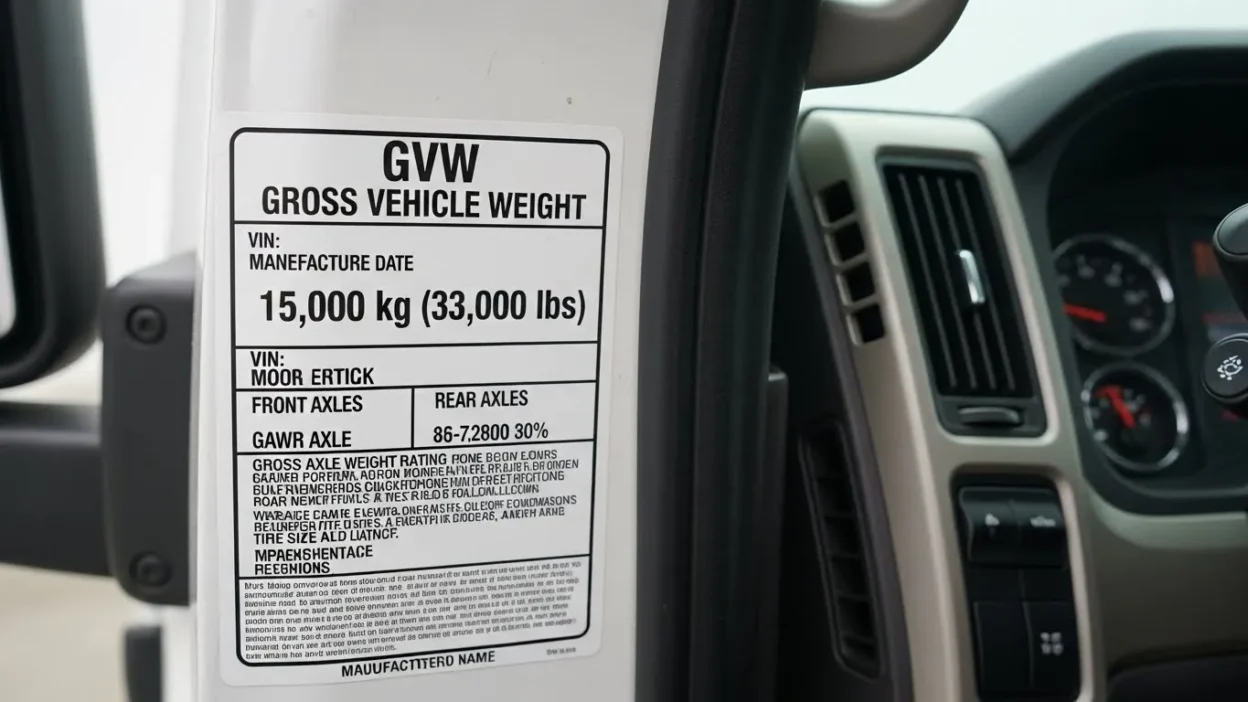
Understanding the gross vehicle weight (GVW) is essential for anyone who drives, owns, or operates a vehicle. GVW refers to the total weight of a vehicle when it is fully loaded, including passengers, cargo, fuel, and any trailer it may be towing.
While many drivers are familiar with terms like curb weight or payload, GVW often gets overlooked, even though it plays a critical role in vehicle safety, performance, and legal compliance.
Exceeding the gross vehicle weight rating (GVWR) set by the manufacturer can lead to reduced braking efficiency, accelerated tire wear, suspension damage, and even serious accidents.
Additionally, overloading a vehicle can result in fines or insurance issues, especially for commercial vehicles.
In this article, we’ll explain what GVW is, how to calculate it, and why it’s crucial to respect vehicle weight limits to ensure safety, compliance, and longevity of your vehicle.
What is Gross Vehicle Weight?
Gross Vehicle Weight (GVW) is the total weight of a vehicle when it is fully loaded, including the vehicle itself, passengers, cargo, fuel, and any trailer being towed. Understanding GVW is crucial because it directly affects vehicle safety, handling, and legal compliance. Every vehicle comes with a Gross Vehicle Weight Rating (GVWR), which is the maximum GVW that the manufacturer has determined the vehicle can safely carry. Exceeding this limit can compromise braking efficiency, suspension systems, tires, and overall stability.
It’s important to distinguish GVW from related terms. Curb weight refers to the weight of the vehicle without passengers, cargo, or additional loads, essentially the empty vehicle with standard equipment and fuel. Payload is the weight a vehicle can safely carry, including passengers, cargo, and accessories, but excluding the vehicle’s own weight. Meanwhile, Gross Combined Weight Rating (GCWR) applies to vehicles towing trailers, representing the total weight of both the vehicle and the trailer combined.
For example, a pickup truck may have a curb weight of 5,000 pounds, a payload of 1,500 pounds, and a GVWR of 6,500 pounds. This means the truck can safely carry passengers and cargo up to 1,500 pounds without exceeding the manufacturer’s recommended limit. Knowing these distinctions helps drivers avoid overloading, maintain vehicle safety, and comply with weight regulations.
How to Calculate Gross Vehicle Weight (GVW)
Calculating your vehicle’s Gross Vehicle Weight (GVW) is essential to ensure safety, prevent overloading, and comply with legal limits. The GVW represents the total weight of the vehicle when fully loaded, so understanding how to calculate it is straightforward once you know what to include.
Step 1: Determine the Curb Weight
Start with the vehicle’s curb weight, which is the weight of the vehicle with all standard equipment, fuel, and fluids, but without passengers or cargo. This information is usually available in the owner’s manual or on the manufacturer’s label inside the driver’s door.
Step 2: Add Passenger Weight
Next, include the weight of all passengers. A common estimate is 150–200 pounds per person, depending on average body weight.
Step 3: Add Cargo and Equipment
Include the weight of luggage, tools, groceries, or any additional equipment. It’s important to be realistic and not underestimate cargo weight.
Step 4: Include Trailer Weight (if applicable)
If you are towing a trailer, add its weight plus any cargo it carries. Be sure not to exceed the vehicle’s Gross Combined Weight Rating (GCWR).
Step 5: Verify Against GVWR
Finally, compare the calculated GVW with the vehicle’s Gross Vehicle Weight Rating (GVWR). If your total weight exceeds the GVWR, reduce cargo or redistribute the load to avoid overloading.
By following these steps, drivers can accurately calculate GVW, protect vehicle components, maintain optimal performance, and comply with road regulations.
Importance of GVW in Safety and Regulations
Understanding and respecting Gross Vehicle Weight (GVW) is not just a technical detail—it is vital for both vehicle safety and legal compliance. Exceeding the Gross Vehicle Weight Rating (GVWR) can significantly compromise a vehicle’s performance and increase the risk of accidents. Overloaded vehicles experience reduced braking efficiency, longer stopping distances, and higher stress on tires, suspension, and steering systems. Even minor overloading can accelerate wear and tear, leading to costly repairs over time.
From a legal perspective, GVW matters because most regions enforce strict vehicle weight limits. Exceeding these limits can result in fines, penalties, or even vehicle impoundment, especially for commercial vehicles. Weight regulations are designed to protect drivers, passengers, and road infrastructure, such as bridges and highways, from the damage caused by overloaded vehicles. Commercial trucks are often required to stop at weight stations to ensure compliance, and failure to meet GVW limits can have serious consequences for both the driver and the company.
Additionally, maintaining proper GVW helps optimize fuel efficiency and reduces environmental impact. Overloaded vehicles consume more fuel due to increased engine strain. Proper weight management also ensures better handling, stability, and overall driving comfort.
In summary, knowing your vehicle’s GVW, calculating it accurately, and staying within the GVWR is critical for safety, legal compliance, vehicle longevity, and efficiency. Ignoring GVW is not just risky—it’s costly and potentially dangerous.
GVW and Commercial Vehicles
For commercial vehicles, monitoring Gross Vehicle Weight (GVW) is even more critical than for personal vehicles. Trucks, buses, and trailers often carry heavy loads, and exceeding the Gross Vehicle Weight Rating (GVWR) can lead to severe safety hazards and legal penalties. Commercial vehicles are designed with specific GVWRs to ensure stability, braking efficiency, and structural integrity, even under full load.
Regulations for commercial GVW are strict. Many states and countries require trucks and buses to stop at weigh stations to verify they are within legal limits. Exceeding GVW can result in fines, points on the driver’s license, or in severe cases, suspension of commercial driving privileges. Insurance companies may also deny claims if an accident occurs while the vehicle is overloaded.
Overloading commercial vehicles affects braking distances, tire wear, and suspension systems, increasing the likelihood of accidents. It can also cause uneven load distribution, which reduces vehicle control and increases stress on axles and drivetrain components.
To manage GVW effectively, commercial operators should:
- Regularly check the vehicle’s GVWR and Gross Combined Weight Rating (GCWR).
- Accurately weigh cargo before transport.
- Use load distribution techniques to balance weight across axles.
- Maintain records of vehicle weights to ensure compliance with legal limits.
Understanding GVW is not optional for commercial drivers—it’s a safety requirement that protects drivers, cargo, and public infrastructure while ensuring compliance with strict transportation regulations.
Tips for Managing Vehicle Weight
Properly managing your vehicle’s Gross Vehicle Weight (GVW) is essential to ensure safety, maintain performance, and comply with legal limits. Whether you drive a personal car, SUV, or commercial truck, following these tips can help you avoid overloading and extend the life of your vehicle.
1. Know Your Vehicle’s GVWR
The first step is to always know the Gross Vehicle Weight Rating (GVWR). This information is usually on a label inside the driver’s door or in the owner’s manual. Never exceed this limit, and remember that GVW includes passengers, cargo, fuel, and any trailers.
2. Weigh Your Vehicle Regularly
Use certified vehicle scales, especially if you carry heavy cargo. For commercial vehicles, weighing before each trip ensures compliance with weight regulations.
3. Distribute Load Evenly
Place heavier items over the axles and avoid concentrating weight at the rear or front. Proper distribution improves handling, stability, and braking efficiency.
4. Reduce Unnecessary Weight
Remove items you don’t need, such as excess tools, luggage, or equipment. Even small reductions can significantly improve safety and fuel efficiency.
5. Maintain Your Vehicle
Suspension, brakes, and tires experience more stress when vehicles are near their GVWR. Regular maintenance ensures these systems handle weight safely.
6. Consider Upgrades for Heavy Loads
If you frequently carry heavy loads, consider upgrading tires, suspension, or braking systems to meet safety standards.
By following these steps, drivers can safely manage their vehicle’s GVW, prevent damage, comply with regulations, and enjoy improved fuel efficiency and vehicle longevity.
GVW vs. Payload and Towing Capacity
Many drivers confuse Gross Vehicle Weight (GVW) with payload and towing capacity, but understanding the differences is critical for safety and legal compliance. While GVW represents the total weight of a vehicle when fully loaded, payload and towing capacity focus on specific components of that weight.
Payload is the maximum weight a vehicle can carry in passengers, cargo, and accessories. It does not include the vehicle’s own weight. For example, if a pickup truck has a curb weight of 5,000 pounds and a GVWR of 6,500 pounds, its payload capacity is 1,500 pounds. Exceeding this payload can compromise suspension, brakes, and tires.
Towing capacity refers to the maximum weight a vehicle can safely tow, including trailers, campers, or boats. This is often measured alongside the Gross Combined Weight Rating (GCWR), which is the total allowable weight of the vehicle plus the trailer. Exceeding towing capacity can strain the engine, transmission, and brakes, creating dangerous driving conditions.
Properly managing GVW, payload, and towing capacity ensures vehicle stability, improves fuel efficiency, and prevents premature wear. Always check the owner’s manual for the manufacturer’s recommended limits, weigh cargo accurately, and distribute weight evenly across axles. Drivers should also avoid combining maximum payload with maximum towing, as this can easily exceed GVWR or GCWR, increasing the risk of accidents.
Understanding the relationship between GVW, payload, and towing capacity is essential for both personal and commercial vehicles. It allows drivers to maximize vehicle use safely while avoiding costly repairs or legal penalties.
FAQs About Gross Vehicle Weight
1. What is Gross Vehicle Weight (GVW)?
GVW is the total weight of a vehicle when fully loaded, including passengers, cargo, fuel, and trailers.
2. How is GVW different from GVWR?
GVWR, or Gross Vehicle Weight Rating, is the maximum GVW a manufacturer allows for safe operation. Exceeding GVWR is unsafe and illegal.
3. What is curb weight?
Curb weight is the weight of a vehicle without passengers or cargo but with standard equipment and fuel.
4. What is payload?
Payload is the maximum weight a vehicle can safely carry in passengers and cargo, excluding the vehicle’s own weight.
5. What is towing capacity?
Towing capacity is the maximum weight a vehicle can safely tow, often paired with the Gross Combined Weight Rating (GCWR).
6. How do I calculate my vehicle’s GVW?
Add curb weight + passenger weight + cargo weight + trailer weight (if applicable). Always compare with GVWR.
7. What happens if I exceed GVWR?
Exceeding GVWR can cause brake failure, suspension damage, tire blowouts, reduced fuel efficiency, and legal fines.
8. Are GVW limits the same for all vehicles?
No. Limits vary by vehicle type, manufacturer, and local regulations. Commercial vehicles often have stricter limits.
9. How can I reduce GVW?
Remove unnecessary cargo, distribute weight evenly, and avoid exceeding payload and towing limits.
10. Where can I find my vehicle’s GVWR?
GVWR is usually on a label inside the driver’s door or in the owner’s manual.
11. Do weight limits affect fuel efficiency?
Yes. Heavier vehicles consume more fuel and strain the engine, tires, and suspension.
12. Is GVW important for safety?
Absolutely. Proper GVW management ensures vehicle stability, braking performance, and overall road safety.
Conclusion:
Understanding and managing your vehicle’s Gross Vehicle Weight (GVW) is essential for safety, performance, and legal compliance. GVW encompasses the total weight of your vehicle when fully loaded, including passengers, cargo, fuel, and any trailer.
Ignoring GVW can lead to serious consequences, from compromised braking and suspension systems to tire damage and reduced vehicle stability. Overloading your vehicle not only puts you at risk but also endangers other road users.
Equally important is knowing your vehicle’s Gross Vehicle Weight Rating (GVWR), which defines the maximum safe weight your vehicle can handle. Staying within this limit protects your vehicle from wear and tear, ensures efficient fuel consumption, and helps avoid legal fines or insurance complications.
For commercial vehicles, adherence to GVW regulations is mandatory, with weight stations enforcing strict compliance to protect infrastructure and public safety.
Practical tips like evenly distributing loads, accurately calculating GVW, reducing unnecessary cargo, and following manufacturer guidelines can make a significant difference in vehicle performance and longevity.
Understanding the differences between GVW, payload, and towing capacity further helps drivers make informed decisions and prevent overloading.
In summary, being aware of GVW and actively managing it is not just a technical requirement it is a crucial part of responsible driving.
Proper weight management ensures safety, maintains your vehicle’s health, and keeps you compliant with regulations, making every trip safer and more efficient.

James Patterson is a bestselling author known for his thrilling storytelling, unforgettable characters, and page-turning mysteries. His work has inspired readers across the world with stories full of suspense, love, and emotion. At Talk2Flirt.com, we highlight his creative spark — showing how passion, words, and imagination can connect hearts just like the perfect conversation.