
When I first heard the term “Gross Vehicle Weight,” I honestly thought it was just another complicated trucking phrase that didn’t really matter. But everything changed the day I overloaded my vehicle during a long road trip.
The car felt heavy, the brakes reacted slowly, and I realized I had ignored something very important. That’s when I started learning about Gross Vehicle Weight and why it matters for safety, fuel efficiency, and vehicle performance.
I remember checking my vehicle manual late at night, trying to understand how much weight my truck could actually handle without causing damage.
After that experience, I became much more careful about cargo limits and passenger weight. If you’ve ever been confused about Gross Vehicle Weight, trust me, I was in the same situation.
In this guide, I’ll explain everything in a simple way so you can avoid the mistakes I made and drive more safely and confidently.
Let,s dive in!
What is Gross Vehicle Weight?
Gross Vehicle Weight (GVW) is the total weight of a vehicle when it is fully loaded, including the vehicle itself, passengers, cargo, fuel, and any trailer being towed. Understanding GVW is crucial because it directly affects vehicle safety, handling, and legal compliance. Every vehicle comes with a Gross Vehicle Weight Rating (GVWR), which is the maximum GVW that the manufacturer has determined the vehicle can safely carry. Exceeding this limit can compromise braking efficiency, suspension systems, tires, and overall stability.
It’s important to distinguish GVW from related terms. Curb weight refers to the weight of the vehicle without passengers, cargo, or additional loads, essentially the empty vehicle with standard equipment and fuel. Payload is the weight a vehicle can safely carry, including passengers, cargo, and accessories, but excluding the vehicle’s own weight. Meanwhile, Gross Combined Weight Rating (GCWR) applies to vehicles towing trailers, representing the total weight of both the vehicle and the trailer combined.
For example, a pickup truck may have a curb weight of 5,000 pounds, a payload of 1,500 pounds, and a GVWR of 6,500 pounds. This means the truck can safely carry passengers and cargo up to 1,500 pounds without exceeding the manufacturer’s recommended limit. Knowing these distinctions helps drivers avoid overloading, maintain vehicle safety, and comply with weight regulations.
How to Calculate Gross Vehicle Weight (GVW)
Calculating your vehicle’s Gross Vehicle Weight (GVW) is essential to ensure safety, prevent overloading, and comply with legal limits. The GVW represents the total weight of the vehicle when fully loaded, so understanding how to calculate it is straightforward once you know what to include.
Step 1: Determine the Curb Weight
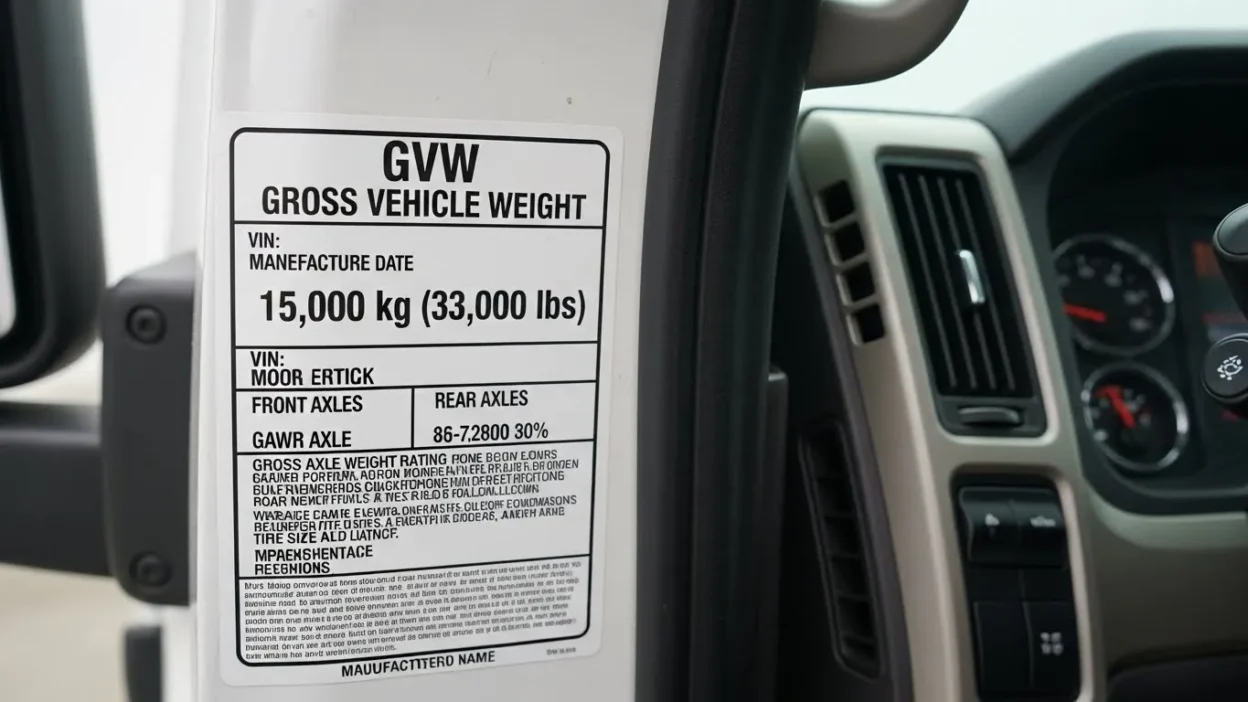
Start with the vehicle’s curb weight, which is the weight of the vehicle with all standard equipment, fuel, and fluids, but without passengers or cargo. This information is usually available in the owner’s manual or on the manufacturer’s label inside the driver’s door.
Step 2: Add Passenger Weight
Next, include the weight of all passengers. A common estimate is 150–200 pounds per person, depending on average body weight.
Step 3: Add Cargo and Equipment
Include the weight of luggage, tools, groceries, or any additional equipment. It’s important to be realistic and not underestimate cargo weight.
Step 4: Include Trailer Weight (if applicable)
If you are towing a trailer, add its weight plus any cargo it carries. Be sure not to exceed the vehicle’s Gross Combined Weight Rating (GCWR).
Step 5: Verify Against GVWR
Finally, compare the calculated GVW with the vehicle’s Gross Vehicle Weight Rating (GVWR). If your total weight exceeds the GVWR, reduce cargo or redistribute the load to avoid overloading.
By following these steps, drivers can accurately calculate GVW, protect vehicle components, maintain optimal performance, and comply with road regulations.
Gross Vehicle Weight Lookup
A gross vehicle weight lookup helps drivers find the total maximum weight a vehicle can safely handle, including passengers, fuel, cargo, and towing equipment. This information is important because every vehicle has a limit designed by the manufacturer to ensure safe driving and proper performance. You can usually find the gross vehicle weight details on the sticker inside the driver-side door, in the owner’s manual, or by searching the vehicle identification number (VIN) online. Many truck owners, trailer users, and commercial drivers use GVW lookup tools before towing heavy loads to avoid safety risks and legal issues.
Knowing the correct gross vehicle weight is useful for registration, insurance, towing, and road safety. If a vehicle exceeds its weight limit, it can damage the brakes, suspension, and tires. Overloaded vehicles may also become harder to control, especially during sudden stops or bad weather conditions. Government transport departments and vehicle manufacturers often provide free lookup databases where drivers can enter the make and model of a vehicle to check its weight rating.
Truck owners frequently use gross vehicle weight lookup services when purchasing trailers or planning long trips with heavy cargo. This helps them stay within safe limits and avoid fines. Whether you drive a pickup truck, SUV, or electric vehicle, understanding your vehicle’s maximum weight capacity is essential. A quick GVW lookup can improve safety, protect the vehicle from damage, and help drivers make smarter transportation decisions every day.
Gross Vehicle Weight Rating GVWR Means the Following
Gross Vehicle Weight Rating, commonly called GVWR, refers to the maximum total weight a vehicle is designed to carry safely. This includes the vehicle itself, passengers, fuel, cargo, and any additional equipment. Manufacturers carefully calculate the GVWR to ensure the vehicle can operate safely without causing excessive stress on the engine, brakes, tires, or suspension system. Understanding GVWR is extremely important for truck owners, commercial drivers, and people who regularly tow trailers or haul heavy items.
The GVWR does not represent the empty weight of the vehicle. Instead, it represents the heaviest safe operating weight allowed by the manufacturer. If the combined load exceeds this limit, the vehicle may become unsafe to drive. Overloading can lead to poor braking performance, tire blowouts, reduced fuel efficiency, and increased wear on mechanical components. In many regions, driving above the GVWR may also result in legal penalties or insurance issues after an accident.
Manufacturers place the GVWR information on a label inside the driver’s side door frame. Drivers should always compare the GVWR with the actual loaded weight of the vehicle before long trips or towing activities. Understanding this rating helps prevent accidents and protects the vehicle from long-term damage. Whether someone owns a family SUV, pickup truck, or commercial van, knowing the meaning of GVWR is essential for safe and responsible driving. It is one of the most important weight measurements used in the automotive industry today.
Importance of GVW in Safety and Regulations
Understanding and respecting Gross Vehicle Weight (GVW) is not just a technical detail—it is vital for both vehicle safety and legal compliance. Exceeding the Gross Vehicle Weight Rating (GVWR) can significantly compromise a vehicle’s performance and increase the risk of accidents. Overloaded vehicles experience reduced braking efficiency, longer stopping distances, and higher stress on tires, suspension, and steering systems. Even minor overloading can accelerate wear and tear, leading to costly repairs over time.
From a legal perspective, GVW matters because most regions enforce strict vehicle weight limits. Exceeding these limits can result in fines, penalties, or even vehicle impoundment, especially for commercial vehicles. Weight regulations are designed to protect drivers, passengers, and road infrastructure, such as bridges and highways, from the damage caused by overloaded vehicles. Commercial trucks are often required to stop at weight stations to ensure compliance, and failure to meet GVW limits can have serious consequences for both the driver and the company.
Additionally, maintaining proper GVW helps optimize fuel efficiency and reduces environmental impact. Overloaded vehicles consume more fuel due to increased engine strain. Proper weight management also ensures better handling, stability, and overall driving comfort.
In summary, knowing your vehicle’s GVW, calculating it accurately, and staying within the GVWR is critical for safety, legal compliance, vehicle longevity, and efficiency. Ignoring GVW is not just risky it’s costly and potentially dangerous.
GVW and Commercial Vehicles
For commercial vehicles, monitoring Gross Vehicle Weight (GVW) is even more critical than for personal vehicles. Trucks, buses, and trailers often carry heavy loads, and exceeding the Gross Vehicle Weight Rating (GVWR) can lead to severe safety hazards and legal penalties. Commercial vehicles are designed with specific GVWRs to ensure stability, braking efficiency, and structural integrity, even under full load.
Regulations for commercial GVW are strict. Many states and countries require trucks and buses to stop at weigh stations to verify they are within legal limits. Exceeding GVW can result in fines, points on the driver’s license, or in severe cases, suspension of commercial driving privileges. Insurance companies may also deny claims if an accident occurs while the vehicle is overloaded.
Overloading commercial vehicles affects braking distances, tire wear, and suspension systems, increasing the likelihood of accidents. It can also cause uneven load distribution, which reduces vehicle control and increases stress on axles and drivetrain components.
To manage GVW effectively, commercial operators should:
- Regularly check the vehicle’s GVWR and Gross Combined Weight Rating (GCWR).
- Accurately weigh cargo before transport.
- Use load distribution techniques to balance weight across axles.
- Maintain records of vehicle weights to ensure compliance with legal limits.
Understanding GVW is not optional for commercial drivers—it’s a safety requirement that protects drivers, cargo, and public infrastructure while ensuring compliance with strict transportation regulations.
Tips for Managing Vehicle Weight
Properly managing your vehicle’s Gross Vehicle Weight (GVW) is essential to ensure safety, maintain performance, and comply with legal limits. Whether you drive a personal car, SUV, or commercial truck, following these tips can help you avoid overloading and extend the life of your vehicle.
1. Know Your Vehicle’s GVWR
The first step is to always know the Gross Vehicle Weight Rating (GVWR). This information is usually on a label inside the driver’s door or in the owner’s manual. Never exceed this limit, and remember that GVW includes passengers, cargo, fuel, and any trailers.
2. Weigh Your Vehicle Regularly
Use certified vehicle scales, especially if you carry heavy cargo. For commercial vehicles, weighing before each trip ensures compliance with weight regulations.
3. Distribute Load Evenly
Place heavier items over the axles and avoid concentrating weight at the rear or front. Proper distribution improves handling, stability, and braking efficiency.
4. Reduce Unnecessary Weight
Remove items you don’t need, such as excess tools, luggage, or equipment. Even small reductions can significantly improve safety and fuel efficiency.
5. Maintain Your Vehicle
Suspension, brakes, and tires experience more stress when vehicles are near their GVWR. Regular maintenance ensures these systems handle weight safely.
6. Consider Upgrades for Heavy Loads
If you frequently carry heavy loads, consider upgrading tires, suspension, or braking systems to meet safety standards.
By following these steps, drivers can safely manage their vehicle’s GVW, prevent damage, comply with regulations, and enjoy improved fuel efficiency and vehicle longevity.
Curb Weight vs Gross Vehicle Weight
Curb weight and gross vehicle weight are two important terms that help drivers understand how much a vehicle weighs under different conditions. Curb weight refers to the weight of the vehicle when it is empty except for standard equipment, fuel, oil, and other necessary fluids. It does not include passengers, cargo, or additional loads. Gross vehicle weight, on the other hand, refers to the total weight of the vehicle plus passengers, cargo, fuel, and towing equipment at a given time.
The difference between these two measurements is important because it helps drivers determine how much additional weight a vehicle can safely carry. For example, if a truck has a curb weight of 5,000 pounds and a gross vehicle weight rating of 7,000 pounds, the vehicle can safely carry about 2,000 pounds of passengers and cargo combined. Exceeding this limit can reduce handling performance and increase the risk of accidents or mechanical failure.
Understanding curb weight versus gross vehicle weight is especially useful for people who tow trailers, transport goods, or travel with heavy loads. It also affects fuel economy because heavier vehicles generally consume more fuel. Car buyers often compare curb weights when choosing between vehicles because lighter vehicles may offer better efficiency and handling. Meanwhile, gross vehicle weight is more important for safety and legal compliance. Knowing the difference between these terms helps drivers make better decisions about loading, towing, and vehicle maintenance while improving overall road safety.
What Does Gross Vehicle Weight Mean
Gross vehicle weight refers to the total actual weight of a vehicle at any specific moment. This includes the vehicle itself, passengers, cargo, fuel, and any additional accessories or towing equipment attached to it. Unlike curb weight, which only measures the empty vehicle with fluids, gross vehicle weight changes depending on how much load the vehicle carries. Understanding this term is essential for safe driving, towing, and vehicle maintenance.
Every vehicle has a maximum weight limit established by the manufacturer. When the total weight exceeds that limit, the vehicle may experience serious problems such as reduced braking ability, suspension damage, tire wear, and poor handling. Heavy loads can also increase stopping distance and make steering more difficult, especially during emergency situations. Because of these risks, drivers should always monitor the total weight of their vehicle before carrying heavy cargo or towing trailers.
Gross vehicle weight is especially important for truck drivers, RV owners, and people who regularly transport equipment or goods. Police and transport authorities may inspect vehicle weight to ensure it stays within legal limits. Many highways also have weight restrictions to protect roads and bridges from damage caused by overloaded vehicles. Drivers can check their vehicle’s weight information on the manufacturer’s label located inside the driver-side door.
Understanding what gross vehicle weight means helps drivers avoid mechanical damage, improve safety, and comply with transportation regulations. Whether someone drives a small SUV or a heavy-duty pickup truck, knowing the vehicle’s total operating weight is a key part of responsible vehicle ownership and safe travel.
GVW vs. Payload and Towing Capacity
Many drivers confuse Gross Vehicle Weight (GVW) with payload and towing capacity, but understanding the differences is critical for safety and legal compliance. While GVW represents the total weight of a vehicle when fully loaded, payload and towing capacity focus on specific components of that weight.
Payload is the maximum weight a vehicle can carry in passengers, cargo, and accessories. It does not include the vehicle’s own weight. For example, if a pickup truck has a curb weight of 5,000 pounds and a GVWR of 6,500 pounds, its payload capacity is 1,500 pounds. Exceeding this payload can compromise suspension, brakes, and tires.
Towing capacity refers to the maximum weight a vehicle can safely tow, including trailers, campers, or boats. This is often measured alongside the Gross Combined Weight Rating (GCWR), which is the total allowable weight of the vehicle plus the trailer. Exceeding towing capacity can strain the engine, transmission, and brakes, creating dangerous driving conditions.
Properly managing GVW, payload, and towing capacity ensures vehicle stability, improves fuel efficiency, and prevents premature wear. Always check the owner’s manual for the manufacturer’s recommended limits, weigh cargo accurately, and distribute weight evenly across axles. Drivers should also avoid combining maximum payload with maximum towing, as this can easily exceed GVWR or GCWR, increasing the risk of accidents.
Understanding the relationship between GVW, payload, and towing capacity is essential for both personal and commercial vehicles. It allows drivers to maximize vehicle use safely while avoiding costly repairs or legal penalties.
What Does Gross Vehicle Weight Rating Mean
Gross Vehicle Weight Rating, or GVWR, is the maximum safe operating weight of a vehicle determined by the manufacturer. This rating includes the vehicle’s own weight plus passengers, cargo, fuel, and any towing equipment. The GVWR is one of the most important safety specifications because it tells drivers how much weight the vehicle can safely handle without damaging critical systems like brakes, tires, suspension, and axles.
The GVWR is different from the actual gross vehicle weight because the rating is a fixed limit, while the actual weight changes depending on the load being carried. Manufacturers carefully test vehicles before assigning a GVWR to ensure they perform safely under different driving conditions. Exceeding this rating can lead to overheating brakes, tire blowouts, reduced steering control, and increased accident risks.
Drivers can usually find the GVWR on a label located inside the driver-side door frame or in the owner’s manual. This information is especially useful for people who tow trailers, transport heavy equipment, or use their vehicles for commercial purposes. Insurance companies and transportation authorities may also use GVWR classifications for licensing and legal regulations.
Understanding what gross vehicle weight rating means helps vehicle owners avoid overloading and maintain better safety on the road. It also protects the vehicle from long-term mechanical damage caused by excessive stress. Whether driving a pickup truck, van, SUV, or electric vehicle, knowing the GVWR allows drivers to calculate safe cargo limits and make informed transportation decisions while improving overall vehicle performance and road safety.
Ford F150 Gross Vehicle Weight
The Ford F-150 gross vehicle weight varies depending on the model year, trim level, engine type, and configuration. In general, the Ford F-150 has a gross vehicle weight rating ranging from approximately 6,000 to over 7,800 pounds. This rating includes the truck itself, passengers, cargo, fuel, and towing equipment. Ford designs the F-150 to handle heavy-duty tasks, making it one of the most popular pickup trucks for towing and hauling in North America.
Different versions of the Ford F-150 have different weight capacities. For example, regular cab models may have lower GVWR figures, while heavy-duty or off-road trims can support higher loads. Drivers who use the F-150 for towing trailers, carrying tools, or transporting equipment should always check the specific GVWR listed on the door sticker or in the owner’s manual. Staying within this limit helps maintain safe braking, stable handling, and proper suspension performance.
The Ford F-150’s impressive weight capacity makes it suitable for construction work, outdoor adventures, and family travel. However, overloading the truck can increase wear on the tires, brakes, and engine while reducing fuel efficiency. Drivers should also consider the combined weight of passengers and cargo before attaching trailers or loading the truck bed heavily.
Understanding the Ford F-150 gross vehicle weight is essential for maximizing performance and safety. By following manufacturer guidelines, owners can protect their truck from unnecessary damage and ensure reliable operation during towing, hauling, and everyday driving situations.
Tesla Model Y Gross Vehicle Weight
The Tesla Model Y gross vehicle weight represents the maximum total operating weight the electric SUV can safely handle. This includes the vehicle itself, passengers, cargo, battery system, and any additional load carried inside the cabin or cargo area. Depending on the trim and configuration, the Tesla Model Y typically has a gross vehicle weight rating between approximately 5,300 and 5,700 pounds.
As an electric SUV, the Tesla Model Y already carries a heavy battery pack, which contributes significantly to its overall weight. Because of this, understanding the vehicle’s weight limits is important when loading cargo or traveling with multiple passengers. Exceeding the recommended gross vehicle weight can reduce efficiency, affect braking performance, and place additional strain on the suspension and tires.
Tesla owners can find the official gross vehicle weight rating on the certification label inside the driver-side door frame. Drivers planning road trips or carrying heavy luggage should pay attention to the total load to maintain safe driving conditions and optimal battery performance. Overloading may also reduce the vehicle’s driving range because heavier loads require more energy consumption.
The Tesla Model Y is designed to combine electric performance, safety, and practicality. Its strong structure and advanced engineering allow it to carry passengers and cargo comfortably while maintaining impressive acceleration and handling. Understanding the Tesla Model Y gross vehicle weight helps owners drive more safely, protect vehicle components, and improve efficiency during daily commuting or long-distance travel.
FAQs:
1. What is Gross Vehicle Weight (GVW)?
GVW is the total weight of a vehicle when fully loaded, including passengers, cargo, fuel, and trailers.
2. How is GVW different from GVWR?
GVWR, or Gross Vehicle Weight Rating, is the maximum GVW a manufacturer allows for safe operation. Exceeding GVWR is unsafe and illegal.
3. What is curb weight?
Curb weight is the weight of a vehicle without passengers or cargo but with standard equipment and fuel.
4. What is payload?
Payload is the maximum weight a vehicle can safely carry in passengers and cargo, excluding the vehicle’s own weight.
5. What is towing capacity?
Towing capacity is the maximum weight a vehicle can safely tow, often paired with the Gross Combined Weight Rating (GCWR).
6. How do I calculate my vehicle’s GVW?
Add curb weight + passenger weight + cargo weight + trailer weight (if applicable). Always compare with GVWR.
7. What happens if I exceed GVWR?
Exceeding GVWR can cause brake failure, suspension damage, tire blowouts, reduced fuel efficiency, and legal fines.
8. Are GVW limits the same for all vehicles?
No. Limits vary by vehicle type, manufacturer, and local regulations. Commercial vehicles often have stricter limits.
9. How can I reduce GVW?
Remove unnecessary cargo, distribute weight evenly, and avoid exceeding payload and towing limits.
10. Where can I find my vehicle’s GVWR?
GVWR is usually on a label inside the driver’s door or in the owner’s manual.
11. Do weight limits affect fuel efficiency?
Yes. Heavier vehicles consume more fuel and strain the engine, tires, and suspension.
12. Is GVW important for safety?
Absolutely. Proper GVW management ensures vehicle stability, braking performance, and overall road safety.
Conclusion:
Understanding and managing your vehicle’s Gross Vehicle Weight (GVW) is essential for safety, performance, and legal compliance. GVW encompasses the total weight of your vehicle when fully loaded, including passengers, cargo, fuel, and any trailer.
Ignoring GVW can lead to serious consequences, from compromised braking and suspension systems to tire damage and reduced vehicle stability. Overloading your vehicle not only puts you at risk but also endangers other road users.
Equally important is knowing your vehicle’s Gross Vehicle Weight Rating (GVWR), which defines the maximum safe weight your vehicle can handle. Staying within this limit protects your vehicle from wear and tear, ensures efficient fuel consumption, and helps avoid legal fines or insurance complications.
For commercial vehicles, adherence to GVW regulations is mandatory, with weight stations enforcing strict compliance to protect infrastructure and public safety.
Practical tips like evenly distributing loads, accurately calculating GVW, reducing unnecessary cargo, and following manufacturer guidelines can make a significant difference in vehicle performance and longevity.
Understanding the differences between GVW, payload, and towing capacity further helps drivers make informed decisions and prevent overloading.
In summary, being aware of GVW and actively managing it is not just a technical requirement it is a crucial part of responsible driving.
Proper weight management ensures safety, maintains your vehicle’s health, and keeps you compliant with regulations, making every trip safer and more efficient.

James Patterson is a bestselling author known for his thrilling storytelling, unforgettable characters, and page-turning mysteries. His work has inspired readers across the world with stories full of suspense, love, and emotion. At Talk2Flirt.com, we highlight his creative spark — showing how passion, words, and imagination can connect hearts just like the perfect conversation.