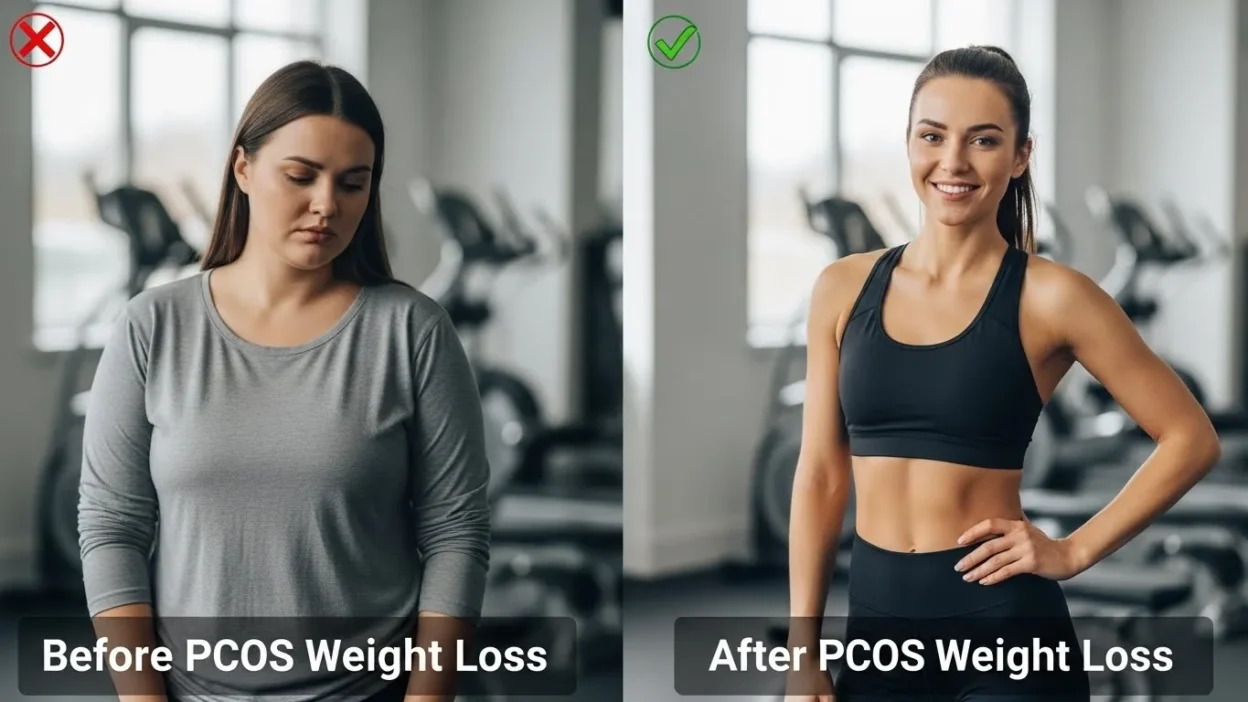
When I first started dealing with PCOS weight loss, I honestly didn’t even understand what was happening with my body. I used to think it was just normal weight changes, but over time I noticed things felt different for me compared to others.
I would try regular routines that everyone suggested, but I didn’t see the same results, and that made me confused and a bit frustrated.
I remember sitting one day and thinking, why is this so difficult for me? That’s when I began learning more about PCOS and how it can affect the body in unique ways.
I realized I wasn’t alone in this struggle, and many people go through the same experience. Instead of blaming myself, I started focusing on understanding my body better.
In my journey with PCOS weight loss, I learned that it’s not just about quick changes, but about patience and consistency. I had to shift my mindset and stop comparing my progress with others. Slowly, I started feeling more in control and less stressed about it.
Now when I look back, I see that this journey wasn’t just physical it was also about learning self awareness and balance. I, personally, feel stronger because I didn’t give up when things felt hard.
Let,s dive in!
Understanding PCOS and Its Impact on Weight Loss
Polycystic Ovary Syndrome (PCOS) is a complex hormonal condition that affects how the body regulates hormones, blood sugar, and metabolism. While symptoms vary from person to person, many individuals with PCOS struggle with unexplained weight gain or difficulty losing weight even when following standard diet and exercise plans.
One of the biggest factors behind PCOS weight challenges is insulin resistance. Insulin is a hormone that helps move glucose from the bloodstream into cells for energy. In people with PCOS, the body often becomes less responsive to insulin, causing higher insulin levels. This signals the body to store more fat, particularly around the abdomen, and makes fat loss much harder.
Hormonal imbalance also plays a major role. Elevated androgen levels (often referred to as “male hormones”) can slow metabolism, increase appetite, and promote fat storage. At the same time, chronic inflammation common in PCOS can interfere with normal metabolic processes and worsen insulin resistance.
Stress hormones such as cortisol further complicate weight loss. High stress levels can push the body into “survival mode,” prioritizing fat storage over fat burning. This is why overly restrictive diets or intense exercise routines often backfire for people with PCOS.
Understanding these underlying mechanisms is critical. PCOS weight loss is not about willpower it’s about addressing hormonal balance, improving insulin sensitivity, and reducing inflammation to support a healthier metabolism.
Can You Lose Weight With PCOS? Setting Realistic Expectations
A common and understandable question many people ask is whether weight loss with PCOS is truly possible. The short answer is yes but it often looks different than weight loss for someone without PCOS. Because PCOS affects hormones, insulin sensitivity, and metabolism, progress may be slower, and the scale may not always reflect positive changes right away.
Healthy PCOS weight loss focuses less on rapid results and more on hormonal balance and metabolic health. Losing even 5–10% of body weight can significantly improve PCOS symptoms, including insulin resistance, irregular periods, and inflammation. This modest reduction can also make future weight loss easier by improving how the body responds to insulin.
It’s important to adjust expectations and redefine success. With PCOS, progress is often measured through non scale victories, such as improved energy levels, reduced cravings, better digestion, clearer skin, improved mood, or more regular menstrual cycles. These changes usually indicate that the body is healing internally, even if weight loss is gradual.
Another key factor is patience. Extreme calorie restriction or aggressive exercise may produce short term weight loss, but they often worsen hormonal imbalance and lead to plateaus or weight regain. Sustainable PCOS weight loss requires consistency, not perfection, and a plan designed specifically for hormonal health.
By understanding that PCOS weight loss is a long term process not a quick fix you can focus on strategies that support your body rather than fight against it. This mindset shift is often the first and most powerful step toward lasting results.
PCOS Weight Loss Medication
Many women with PCOS struggle with weight gain because the condition affects hormones and insulin levels. That is why doctors sometimes recommend PCOS weight loss medication to help manage symptoms and improve overall health. These medications are usually combined with exercise, a healthy diet, and lifestyle changes for the best results. One of the most common medicines used for PCOS is Metformin. It helps the body use insulin more effectively, which may reduce cravings and support gradual weight loss. Some women are also prescribed GLP 1 medications like semaglutide because they can help control appetite and improve blood sugar levels. However, every person responds differently, so it is important to talk to a healthcare professional before starting any medicine.
Weight loss medications for PCOS are not magic solutions. They work best when combined with healthy habits such as eating balanced meals, reducing sugar intake, and staying physically active. Many women notice improved menstrual cycles, better energy levels, and reduced acne after losing weight. Doctors may also recommend hormonal treatments depending on the severity of PCOS symptoms. It is important to remember that quick weight loss is not always healthy. Slow and steady progress is usually more effective and easier to maintain. Drinking enough water, sleeping properly, and managing stress can also make a big difference. With the right treatment plan and consistency, women with PCOS can successfully manage their weight and improve their quality of life over time.
PCOS Weight Loss Symptom
Weight loss can sometimes improve the symptoms of PCOS and help the body function more normally. Many women notice positive changes after losing even a small amount of weight. One common PCOS weight loss symptom is improved menstrual regularity. Since excess weight can increase hormone imbalance, losing weight may help restore normal ovulation and more predictable periods. Another symptom improvement is reduced facial hair growth and acne because lower insulin levels can decrease androgen production. Some women also experience better energy levels and reduced fatigue after making healthy lifestyle changes.
PCOS symptoms are often connected to insulin resistance, which makes it harder for the body to process sugar properly. This can lead to weight gain, especially around the stomach area. When weight loss begins, many women notice fewer cravings, improved mood, and better sleep quality. Weight loss may also reduce inflammation in the body, helping women feel healthier overall. In some cases, fertility can improve because ovulation becomes more regular. However, every person’s experience with PCOS is different, and symptom improvement may take time.
Healthy weight loss should happen gradually through balanced eating habits and regular exercise. Crash diets or extreme workouts can sometimes make hormone problems worse. Walking, strength training, yoga, and low impact exercises are often recommended for women with PCOS. Managing stress is equally important because stress hormones can affect weight and hormone balance. Even losing 5% to 10% of body weight can lead to significant improvements in PCOS symptoms and overall wellness.
The Best Diet for PCOS Weight Loss
When it comes to PCOS weight loss, what you eat matters more than how little you eat. Traditional calorie cutting diets often worsen hormonal imbalances and increase stress on the body. Instead, the most effective approach focuses on stabilizing blood sugar, improving insulin sensitivity, and reducing inflammation.
A low glycemic, balanced diet is widely recommended for PCOS. This means choosing carbohydrates that digest slowly and do not cause sharp blood sugar spikes. Whole foods such as vegetables, legumes, whole grains, and berries help keep insulin levels steady, making fat loss more achievable. Pairing carbohydrates with protein and healthy fats further supports blood sugar balance and reduces cravings.
Protein plays a critical role in PCOS weight loss. Adequate protein intake helps preserve lean muscle mass, boosts metabolism, and improves satiety. Lean meats, eggs, fish, tofu, and legumes are excellent options. Healthy fats such as those found in avocados, olive oil, nuts, and seeds support hormone production and help control inflammation.
Equally important is knowing which foods to limit. Refined carbohydrates, sugary snacks, sweetened beverages, and highly processed foods can spike insulin levels and trigger fat storage. While carbohydrates do not need to be eliminated, quality and portion control are essential.
There is no single “perfect” PCOS diet, but consistency is key. The best diet is one that supports hormonal health, fits your lifestyle, and can be maintained long term without restriction, guilt, or burnout.
Best Exercise for PCOS Weight Loss
Exercise is an essential part of PCOS weight loss, but the type of exercise matters just as much as consistency. Many people with PCOS find that long hours of intense cardio do not lead to results and may even increase fatigue, cravings, and stubborn weight gain. This is often due to elevated stress hormones, particularly cortisol.
Strength training is one of the most effective forms of exercise for PCOS. Building muscle improves insulin sensitivity, increases resting metabolic rate, and helps the body burn more calories throughout the day. Two to four strength sessions per week using bodyweight exercises, resistance bands, or weights can make a significant difference.
Low impact cardio is another powerful tool. Activities such as walking, cycling, swimming, and elliptical training help burn fat without overstressing the body. Daily movement especially walking supports blood sugar regulation and reduces inflammation, both of which are crucial for PCOS weight loss.
Mind body exercises like yoga and Pilates can also be highly beneficial. These workouts help lower cortisol levels, improve flexibility, and support hormonal balance. For many people with PCOS, reducing stress is just as important as burning calories.
High intensity workouts are not completely off limits, but they should be used cautiously. Short, well planned sessions with adequate recovery are far more effective than frequent, exhausting workouts.
The best PCOS exercise routine is balanced, sustainable, and supportive not punishing. Listening to your body and prioritizing recovery will lead to better long term results.
Lifestyle Changes That Accelerate PCOS Weight Loss
While diet and exercise are important, lifestyle factors often determine whether PCOS weight loss efforts succeed or stall. Sleep, stress management, and daily habits directly influence hormones, insulin sensitivity, and fat storage.
Sleep quality plays a critical role in PCOS. Poor or insufficient sleep increases insulin resistance and raises cortisol levels, making weight loss significantly harder. Aim for 7–9 hours of consistent, high quality sleep each night. Going to bed and waking up at the same time, limiting screen exposure before sleep, and creating a calming nighttime routine can greatly improve hormonal balance.
Stress management is equally important. Chronic stress keeps cortisol levels elevated, signaling the body to hold onto fat especially around the midsection. Practices such as deep breathing, journaling, gentle yoga, meditation, or even short daily walks can help regulate stress hormones. Reducing stress is not a luxury for PCOS weight loss; it is a necessity.
Daily habits also add up over time. Staying hydrated supports digestion and metabolic function, while regular meal timing helps stabilize blood sugar. Skipping meals or eating erratically can trigger insulin spikes and cravings later in the day. Incorporating light movement throughout the day such as stretching or short walks can further improve blood sugar control.
PCOS weight loss is not just about isolated actions but about creating an environment where the body feels safe, balanced, and supported. Small, consistent lifestyle changes often produce the biggest long term results, especially when combined with a hormone friendly diet and exercise routine.
PCOS Weight Loss Diet
A healthy PCOS weight loss diet focuses on balancing hormones, reducing insulin resistance, and supporting sustainable weight management. Women with PCOS often benefit from eating foods that keep blood sugar levels stable throughout the day. High protein foods such as eggs, chicken, fish, beans, and Greek yogurt can help control hunger and reduce cravings. Fiber rich foods like vegetables, fruits, oats, and whole grains are also important because they improve digestion and help maintain energy levels. Healthy fats from nuts, seeds, olive oil, and avocados can support hormone health as well.
One of the biggest dietary tips for PCOS is reducing processed sugar and refined carbohydrates. Foods like white bread, sugary drinks, candies, and fast food may increase insulin spikes, making weight loss more difficult. Instead, choosing complex carbohydrates such as brown rice, quinoa, and sweet potatoes can provide steady energy without sudden blood sugar crashes. Drinking enough water and avoiding excessive caffeine may also help reduce bloating and improve metabolism.
Meal timing can also make a difference. Eating balanced meals regularly may prevent overeating and stabilize blood sugar levels. Many women with PCOS find success by planning meals in advance and avoiding emotional eating. Combining a healthy diet with regular physical activity is usually the most effective approach. Exercise such as walking, cycling, strength training, or yoga can improve insulin sensitivity and help burn calories naturally.
A PCOS friendly diet is not about strict restrictions or starving yourself. It is about building long term healthy habits that support both physical and mental well being. Consistency and patience are key to seeing lasting results.
Best Medicine for PCOS Weight Loss
Finding the best medicine for PCOS weight loss depends on a person’s symptoms, hormone levels, and overall health condition. Doctors commonly prescribe Metformin because it helps improve insulin resistance, which is one of the main causes of weight gain in women with PCOS. By improving how the body uses insulin, Metformin may reduce appetite, lower cravings, and support gradual weight loss. Many women also notice improved menstrual cycles and better energy levels while taking it.
In recent years, GLP 1 receptor medications such as semaglutide and liraglutide have become popular for PCOS related weight management. These medicines work by helping people feel full for longer periods and reducing hunger. Some women experience significant weight loss with these treatments, especially when combined with exercise and a healthy diet. However, these medications should only be used under medical supervision because they may cause side effects like nausea or digestive discomfort.
Hormonal birth control pills are sometimes used to manage PCOS symptoms, although they are not primarily weight loss medications. They can help regulate hormones and reduce acne or irregular periods. Some doctors may also recommend supplements like inositol because it may improve insulin sensitivity naturally.
The best medicine is different for every woman. What works for one person may not work for another. That is why it is important to have regular checkups and follow a personalized treatment plan. Medicines alone cannot fully solve PCOS related weight problems. Healthy eating, regular physical activity, quality sleep, and stress management are equally important. A balanced approach usually provides the best long term results for managing PCOS and maintaining a healthy weight.
Supplements and Medications for PCOS Weight Loss
Supplements and medications can play a supportive role in PCOS weight loss, but they should never replace proper nutrition, lifestyle changes, or medical guidance. What works for one person may not be appropriate for another, so it’s always best to consult a healthcare professional before starting any new treatment.
One of the most commonly recommended supplements for PCOS is inositol, particularly myo inositol and D chiro inositol. These compounds help improve insulin sensitivity, support hormonal balance, and may reduce cravings, making weight loss more manageable for some individuals. Omega 3 fatty acids are another helpful supplement, as they can reduce inflammation and support metabolic health.
Vitamin D deficiency is common in people with PCOS and has been linked to insulin resistance and weight gain. Correcting low vitamin D levels may support overall metabolic function. Magnesium can also be beneficial for blood sugar regulation, stress reduction, and sleep quality.
In some cases, doctors may prescribe medications such as metformin to improve insulin sensitivity. Metformin does not directly cause weight loss, but it can make weight loss easier by lowering insulin levels and improving blood sugar control. Hormonal birth control may be prescribed to manage symptoms like irregular cycles or high androgen levels, though it does not address the root cause of PCOS and may affect weight differently for each person.
Supplements and medications work best when combined with sustainable diet and lifestyle changes. They are tools not cures and should be used thoughtfully as part of a comprehensive PCOS weight loss strategy.
Common PCOS Weight Loss Mistakes to Avoid
Many people with PCOS put in significant effort to lose weight but see little progress due to common, often overlooked mistakes. Understanding these pitfalls can help prevent frustration and support more sustainable results.
One of the biggest mistakes is eating too little. Severe calorie restriction may lead to short term weight loss, but it often increases cortisol levels and slows metabolism, making long term PCOS weight loss harder. The body interprets under eating as stress and shifts into fat storage mode.
Another frequent issue is over exercising, especially excessive high intensity cardio. While exercise is important, too much intense activity without adequate recovery can worsen hormonal imbalance and lead to burnout. For PCOS, balanced workouts with rest days are far more effective than pushing through exhaustion.
Ignoring insulin resistance is another major mistake. Many weight loss plans focus only on calories without addressing blood sugar control. Without improving insulin sensitivity, fat loss becomes significantly more difficult regardless of effort.
Comparing progress to people without PCOS can also be discouraging. PCOS weight loss often moves at a different pace, and comparing results can lead to unrealistic expectations and loss of motivation. Progress should always be measured against personal improvements, not external standards.
Finally, relying on quick fixes such as detoxes, fat burning supplements, or extreme diets can do more harm than good. These approaches rarely address the root causes of PCOS and often result in weight regain.
Avoiding these mistakes allows you to focus on strategies that support hormonal health, consistency, and long term success rather than short term results.
PCOS Weight Loss Myths (Debunked)
There is a lot of misinformation surrounding PCOS weight loss, which often leads to frustration and unrealistic expectations. One of the most common myths is that people with PCOS cannot lose weight at all. While PCOS can make weight loss more challenging, it does not make it impossible. With the right hormone focused approach, many people successfully lose weight and improve their symptoms.
Another widespread myth is that all carbohydrates are bad for PCOS. In reality, carbohydrates play an important role in energy and overall health. The issue is not carbs themselves, but the type and quantity. Whole, fiber rich carbohydrates can support blood sugar balance, while refined carbs can worsen insulin resistance.
Some believe that working out every day is necessary for PCOS weight loss. Overtraining, however, can elevate cortisol levels and stall progress. Rest and recovery are essential components of a successful PCOS friendly fitness routine.
There is also a misconception that supplements alone can fix PCOS. While certain supplements may support hormonal balance, they are not standalone solutions. Sustainable PCOS weight loss requires a combination of nutrition, movement, stress management, and consistency.
Finally, many people assume that faster weight loss is better. Rapid weight loss often disrupts hormones further and leads to rebound weight gain. Slow, steady progress is more effective and easier to maintain.
By separating fact from fiction, you can avoid harmful advice and focus on evidence based strategies that truly support PCOS weight loss.
How Long Does PCOS Weight Loss Take?
PCOS weight loss does not follow a fixed timeline, and progress often varies from person to person. Because PCOS affects hormones, insulin sensitivity, and metabolism, results may appear more slowly than with conventional weight loss approaches. This does not mean your efforts are failing it means your body is adjusting internally before visible changes occur.
For many people with PCOS, the first improvements are metabolic and hormonal, not physical. Within the first few weeks, you may notice reduced cravings, more stable energy levels, better digestion, or improved mood. These early signs indicate that insulin resistance and inflammation are beginning to improve, even if the scale has not moved significantly.
Visible weight loss often occurs gradually over several months. Losing 0.25–0.5 kg (0.5–1 lb) per week is considered healthy and sustainable for PCOS. Even a small reduction around 5–10% of body weight can significantly improve symptoms such as irregular cycles, acne, and fatigue.
Plateaus are common and should be expected. During these periods, the body may be recalibrating hormone levels or adapting to lifestyle changes. Rather than drastically cutting calories or increasing exercise, it’s often more effective to assess sleep quality, stress levels, and consistency.
PCOS weight loss is a long term process, not a race. Patience, realistic expectations, and a hormone supportive approach are essential for achieving and maintaining lasting results.
PCOS Weight Loss Reddit
Many women search for PCOS weight loss Reddit discussions to learn from real experiences shared by others living with the condition. Reddit communities often contain personal stories about diets, medications, workouts, and emotional struggles related to PCOS. Some users talk about successful weight loss after reducing sugar intake and following low carb or high protein diets. Others share how medications like Metformin helped control cravings and improve insulin resistance. These discussions can make women feel less alone because many people face similar challenges with PCOS.
A common topic on Reddit is how difficult weight loss can feel with hormone imbalances. Some women mention that traditional calorie cutting methods did not work well for them until they addressed insulin resistance and stress levels. Exercise routines like walking, strength training, and yoga are frequently recommended because they support hormone balance without putting too much stress on the body. Many Reddit users also emphasize the importance of patience because PCOS weight loss often happens more slowly compared to others.
Although Reddit can provide motivation and practical tips, it is important to remember that online advice is not always medically accurate. What works for one person may not be safe or effective for another. Some users may recommend extreme diets or unverified supplements that could cause health problems. Before trying any treatment or medication, it is always best to consult a healthcare professional.
Reading real life experiences can still be helpful for emotional support and encouragement. Many women on Reddit remind others to focus on progress rather than perfection. Small lifestyle changes, consistency, and self care often play a major role in long term success with PCOS weight management.
Best Supplements for PCOS Weight Loss
Many women look for the best supplements for PCOS weight loss to support hormone balance and improve metabolism naturally. Supplements cannot replace a healthy lifestyle, but they may help manage symptoms when combined with proper nutrition and exercise. One of the most popular supplements for PCOS is inositol, especially myo inositol. It may improve insulin sensitivity, regulate menstrual cycles, and reduce cravings, making weight management easier for some women.
Omega 3 fatty acids are another commonly recommended supplement because they may reduce inflammation and support heart health. Women with PCOS often have higher inflammation levels, which can affect hormones and metabolism. Vitamin D is also important because many women with PCOS are deficient in it. Low vitamin D levels may contribute to insulin resistance and fatigue. Magnesium supplements may help improve sleep quality, reduce stress, and support healthy blood sugar levels.
Some women also use chromium supplements because they may help control blood sugar and reduce appetite. Probiotics can support gut health, which may indirectly improve metabolism and digestion. However, supplements work differently for each person, and taking too many at once may cause side effects or interactions with medications.
It is always a good idea to speak with a doctor or dietitian before starting supplements for PCOS. Blood tests may help identify specific nutrient deficiencies and determine what the body actually needs. Supplements are most effective when combined with balanced eating habits, regular movement, hydration, and stress management. Long term consistency is more important than looking for quick fixes. With the right combination of healthy habits and proper support, many women with PCOS can achieve sustainable weight loss and better overall health.
PCOS Weight Loss Success Tips
Successful PCOS weight loss is built on consistency, patience, and strategies that support hormonal health rather than fight against it. One of the most important tips is to focus on progress, not perfection. Small, sustainable changes practiced daily are far more effective than extreme plans that are difficult to maintain.
Tracking progress beyond the scale can be incredibly motivating. Improvements in energy, mood, sleep quality, digestion, menstrual regularity, or reduced cravings often appear before significant weight loss. These signs indicate that your body is responding positively to your efforts.
Another key factor is planning ahead. Preparing meals in advance, scheduling workouts, and creating routines around sleep and stress management reduce decision fatigue and improve consistency. Structure helps support hormonal balance and reduces reliance on willpower alone.
Staying flexible is also essential. PCOS symptoms can fluctuate, and there will be days when energy levels are lower. Adjusting workouts, prioritizing rest, or simplifying meals during these times helps prevent burnout while keeping you on track.
Support plays a major role in long term success. Working with a healthcare provider, registered dietitian, or PCOS informed coach can help personalize your approach and address individual challenges. Online communities and support groups can also provide encouragement and accountability.
Finally, remember that PCOS weight loss is not just about appearance it’s about improving metabolic health, reducing symptoms, and feeling stronger and more balanced in your body. When health becomes the primary goal, weight loss often follows naturally.
Frequently Asked Questions About PCOS Weight Loss
What is the fastest way to lose weight with PCOS?
The fastest healthy way to lose weight with PCOS is by improving insulin sensitivity and reducing inflammation. This includes eating balanced, low glycemic meals, strength training regularly, managing stress, and prioritizing sleep. Extreme diets may cause short term weight loss but often lead to long term setbacks.
Can losing weight help regulate periods with PCOS?
Yes. Even a modest weight loss of 5–10% can help regulate menstrual cycles, improve ovulation, and reduce PCOS symptoms. Weight loss supports hormonal balance and improves insulin response.
Is a keto diet good for PCOS weight loss?
Keto may help some people with severe insulin resistance, but it is not suitable or sustainable for everyone. Many people see better long term results with a balanced, low glycemic diet that includes healthy carbohydrates.
How much exercise is enough for PCOS weight loss?
Most people benefit from 3–4 strength training sessions per week combined with daily low impact movement like walking. Rest and recovery are just as important as exercise.
Should I see a doctor for PCOS weight loss?
Yes, especially if weight loss feels impossible despite lifestyle changes. A healthcare provider can check for insulin resistance, nutrient deficiencies, and recommend appropriate treatments or referrals.
More Frequently Asked Questions About PCOS Weight Loss
Why is belly fat common with PCOS?
Abdominal or belly fat is common in PCOS due to insulin resistance and elevated cortisol levels. High insulin promotes fat storage around the midsection, while chronic stress signals the body to hold onto fat. Improving blood sugar control and managing stress are key to reducing PCOS belly fat.
Does PCOS cause slow metabolism?
PCOS can affect metabolic function, especially when insulin resistance and inflammation are present. While metabolism may not be permanently “damaged,” it can become less efficient. Strength training, adequate protein intake, and balanced meals can help improve metabolic health over time.
Can PCOS weight loss happen without exercise?
Diet and lifestyle changes alone can lead to weight loss for some people with PCOS, especially when insulin resistance improves. However, adding gentle movement or strength training usually leads to better, more sustainable results and improved hormone balance.
Do cheat meals affect PCOS weight loss?
Occasional indulgences will not ruin progress, but frequent high-sugar or ultra-processed meals can trigger insulin spikes and cravings. A flexible, balanced approach works better than strict restriction, which can increase stress and backfire.
Why do I lose weight and then regain it with PCOS?
Weight regain often happens when plans rely on extreme calorie restriction or intense exercise. These approaches raise stress hormones and are difficult to maintain. Sustainable PCOS weight loss requires consistent habits that support hormones long term.
Is it harder to lose weight with PCOS after 30?
Hormonal shifts with age can make weight loss slightly more challenging, but it is still very achievable. Prioritizing muscle mass, sleep, and stress management becomes even more important.
Conclusion:
PCOS weight loss can feel overwhelming, especially when conventional advice fails to deliver results.
However, the challenge is not a lack of effort it’s that PCOS requires a different, more intentional approach.
By understanding how hormonal imbalance, insulin resistance, inflammation, and stress affect the body, you can shift your focus from quick fixes to strategies that support long-term health.
Sustainable PCOS weight loss is built on balance. Prioritizing blood sugar–friendly nutrition, strength-based and low-impact exercise, quality sleep, and stress management allows the body to feel supported rather than restricted.
Progress may be slower than expected, but even modest weight loss can lead to meaningful improvements in energy, metabolic health, and PCOS symptoms.
It’s also important to remember that success isn’t defined solely by the number on the scale.
Improved cycles, reduced cravings, better mood, and increased confidence are all signs that your body is healing. Consistency, patience, and self-compassion play a powerful role in this process.
PCOS is a lifelong condition, but it does not have to control your health or quality of life. With the right knowledge and sustainable habits, weight loss is not only possible—it’s maintainable.
Focus on progress, listen to your body, and take steps that support both your physical and hormonal well-being for lasting results.

James Patterson is a bestselling author known for his thrilling storytelling, unforgettable characters, and page-turning mysteries. His work has inspired readers across the world with stories full of suspense, love, and emotion. At Talk2Flirt.com, we highlight his creative spark — showing how passion, words, and imagination can connect hearts just like the perfect conversation.