Coffee isn’t just a morning pick me-up anymore it has become a trending tool in the weight loss world.
The coffee method for weight loss is gaining popularity, with many people claiming that a simple cup of coffee can help boost metabolism, burn fat, and even suppress appetite.
But what exactly is this method, and does it really work? In this guide, we’ll break down everything you need to know about the coffee method, including how it affects your body, the different ways to prepare it, and the science behind its weight loss claims.
If you’re a black coffee lover, a fan of bulletproof coffee, or curious about adding lemon or cinnamon to your cup, this article will provide practical tips, benefits, risks, and expert insights.
By the end, you’ll understand whether the coffee method is a safe and effective addition to your weight loss journey.
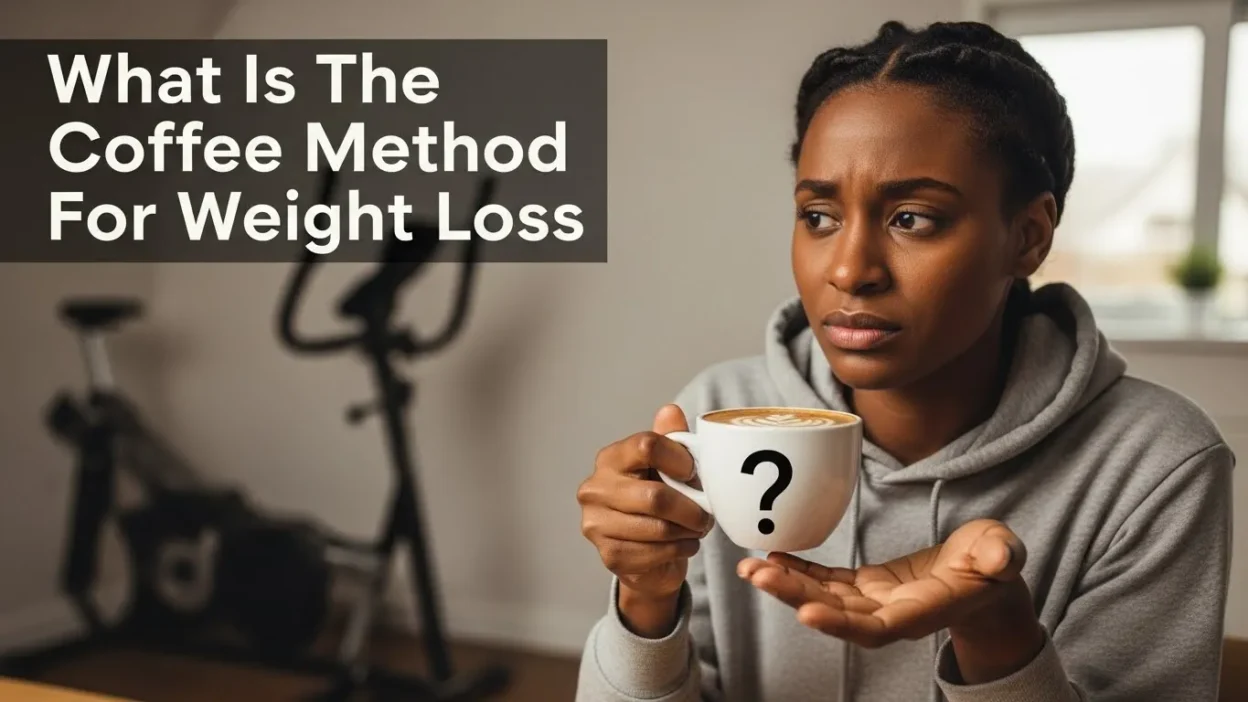
What Is the Coffee Method for Weight Loss?
The coffee method for weight loss is a strategy that uses coffee primarily its caffeine content—to support fat burning, suppress appetite, and boost energy throughout the day. Unlike regular coffee drinking, which is often just a morning habit, the coffee method involves consuming coffee in a deliberate way, often at specific times or with added ingredients, to enhance weight loss effects.
At its core, the coffee method relies on caffeine, a natural stimulant. Caffeine can increase metabolism, stimulate thermogenesis (the process of heat production in the body), and improve the body’s ability to burn stored fat. Additionally, coffee may act as an appetite suppressant, helping individuals reduce overall calorie intake without feeling overly hungry.
There are several variations of the coffee method. The simplest form is black coffee, consumed without sugar or cream to maintain zero calories. Other methods include bulletproof coffee, which combines coffee with healthy fats like MCT oil or butter, and lemon coffee, believed by some to support digestion and detoxification. Some people also add cinnamon, ginger, or coconut oil to their coffee to enhance metabolic benefits.
It’s important to note that the coffee method is not a magic solution. While it can support weight loss, its effectiveness depends on a balanced diet, regular exercise, and healthy lifestyle habits. Understanding the method fully helps you use it safely and effectively for long-term results.
How the Coffee Method Works in the Body
The effectiveness of the coffee method for weight loss comes largely from caffeine, a natural stimulant found in coffee. When consumed, caffeine interacts with the central nervous system, increasing alertness and energy levels. This boost can make workouts more effective, allowing you to burn more calories during exercise.
Caffeine also triggers thermogenesis, the process by which the body generates heat and burns calories. Studies suggest that caffeine can increase metabolic rate by 3–11%, meaning your body burns more calories even at rest. This is especially beneficial for people looking to accelerate fat loss without drastically changing their daily routine.
Another important mechanism is appetite suppression. Coffee can reduce feelings of hunger by influencing hunger hormones like ghrelin, helping individuals consume fewer calories throughout the day. This makes it easier to stick to a calorie-controlled diet without feeling deprived.
Additionally, caffeine enhances fat oxidation, which is the body’s process of breaking down stored fat for energy. This is why drinking coffee before workouts is a common strategy among athletes and fitness enthusiasts—it can help the body tap into fat stores more efficiently.
However, the effects vary depending on individual tolerance, genetics, and overall lifestyle. Overconsumption can lead to jitteriness, anxiety, or sleep disturbances, which may counteract weight loss benefits. Understanding these mechanisms allows you to use the coffee method strategically, maximizing fat-burning potential while minimizing side effects.
Types of Coffee Methods for Weight Loss
The coffee method for weight loss isn’t one-size-fits-all. There are several popular variations, each with unique benefits and preparation methods. Understanding these options can help you choose the method that fits your lifestyle and weight loss goals.
1. Black Coffee Method
The simplest and most widely recommended version is black coffee. Without sugar, milk, or cream, black coffee is virtually calorie-free, making it ideal for weight loss. It provides the metabolic and appetite-suppressing benefits of caffeine without adding extra calories that could hinder fat loss.
2. Lemon Coffee Method
Some people add lemon juice to their coffee, believing it helps with detoxification and digestion. Lemon coffee may also add a slight boost to metabolism due to its vitamin C content. While scientific evidence is limited, many users find it refreshing and helpful for appetite control.
3. Bulletproof Coffee (Butter Coffee)
Bulletproof coffee combines coffee with healthy fats like MCT oil or unsalted butter. This method is popular among followers of ketogenic diets. The fats provide sustained energy, reduce mid-morning cravings, and may support fat-burning when paired with a low-carb diet. However, it is calorie-dense, so portion control is essential.
4. Spiced or Coconut Oil Coffee
Other variations include adding cinnamon, ginger, or coconut oil. Cinnamon may improve blood sugar control, ginger can aid digestion, and coconut oil contains MCTs that help with energy and fat metabolism. These additions can enhance the overall effectiveness of the coffee method while keeping it flavorful.
Each coffee method has pros and cons, so experimenting safely and monitoring results is key to finding what works best for your weight loss journey.
How to Use the Coffee Method Correctly
To maximize the benefits of the coffee method for weight loss, it’s important to follow certain guidelines. Simply drinking coffee without strategy may not produce the desired results and could even cause side effects like jitters or digestive issues.
1. Best Time to Drink Coffee
For most people, the ideal time is 30–60 minutes before a workout. This helps boost energy, improve performance, and increase fat burning during exercise. Many also find that drinking coffee in the morning on an empty stomach helps suppress appetite for a few hours, supporting a calorie-controlled diet. However, avoid coffee late in the evening, as caffeine can disrupt sleep, which is crucial for weight loss.
2. Recommended Quantity
Most studies suggest that 1–3 cups of coffee per day (about 200–400 mg of caffeine) are safe for adults. Exceeding this can cause side effects like anxiety, rapid heartbeat, or digestive issues. Stick to moderate amounts and monitor how your body responds.
3. What to Avoid Adding
For effective weight loss, avoid sugar, flavored syrups, and high-calorie creamers. These additions can negate the calorie-burning benefits of the coffee method. Instead, consider small additions like cinnamon, a drop of coconut oil, or unsweetened almond milk if needed.
4. Combine with Healthy Habits
The coffee method works best alongside a balanced diet, regular exercise, and proper hydration. Overreliance on coffee alone won’t produce significant fat loss.
By following these guidelines, you can safely incorporate coffee into your weight loss routine and enjoy its metabolic, appetite-suppressing, and energy-boosting benefits.
Coffee Method and Intermittent Fasting
The coffee method pairs naturally with intermittent fasting, a popular approach for weight loss that involves alternating periods of eating and fasting. Many people use coffee as a tool to help manage hunger and maintain energy during fasting windows.
1. Does Coffee Break a Fast?
Plain black coffee is generally considered safe during fasting, as it contains almost zero calories and does not significantly affect insulin levels. This means it won’t disrupt your fast, while still providing energy and suppressing appetite. Avoid adding sugar, milk, or cream during fasting periods, as these can break the fast and reduce its fat-burning benefits.
2. Benefits During Fasting
Coffee can improve fat oxidation, helping your body burn stored fat more efficiently while fasting. It also boosts energy, making it easier to stay active and maintain focus throughout the day. Many intermittent fasting followers report that a morning cup of black coffee reduces mid-morning cravings and keeps them alert without eating.
3. Timing Tips
For best results, drink coffee early in the fasting window or right before a morning workout. Avoid coffee late in the day, as it may interfere with sleep, which is essential for weight loss and hormone regulation.
4. Caution
Excessive coffee during fasting may lead to jitters, anxiety, or digestive discomfort. Listen to your body and limit intake to 1–2 cups during fasting hours if sensitive.
When combined thoughtfully with intermittent fasting, the coffee method can be a powerful tool to enhance fat burning, curb appetite, and support your weight loss journey without breaking your fast.
Benefits of the Coffee Method for Weight Loss
The coffee method for weight loss offers several potential benefits, making it a popular addition to many fitness and diet routines. While it’s not a magic solution, coffee can support weight loss when used correctly and combined with healthy habits.
1. Boosts Metabolism
Caffeine in coffee stimulates the central nervous system, increasing the body’s metabolic rate. This means your body burns more calories even at rest, supporting fat loss over time. Studies show caffeine can enhance calorie expenditure by 3–11%, depending on individual factors like age and body composition.
2. Suppresses Appetite
Coffee can act as a mild appetite suppressant. By influencing hormones such as ghrelin, it helps reduce hunger, making it easier to stick to a calorie-controlled diet without feeling deprived. This can prevent overeating and snacking between meals.
3. Enhances Workout Performance
Drinking coffee before exercise can increase energy and endurance, allowing for more effective workouts. Enhanced physical performance leads to greater calorie and fat burning, accelerating weight loss progress.
4. Mental Alertness and Focus
Beyond physical benefits, coffee improves focus, alertness, and mood, helping you stay motivated throughout the day. Mental clarity can make healthy eating and exercise choices easier to maintain.
5. Convenience and Accessibility
Coffee is widely available, affordable, and easy to prepare. This makes it a practical option for anyone looking to support their weight loss journey without complicated routines or expensive supplements.
When combined with a balanced diet, regular exercise, and proper hydration, the coffee method can be a simple yet effective tool for supporting fat loss and overall energy levels.
Potential Side Effects and Risks
While the coffee method for weight loss offers benefits, it is not without potential side effects. Understanding the risks ensures you can use coffee safely and avoid negative outcomes.
1. Jitters and Anxiety
Excess caffeine can overstimulate the nervous system, leading to jitters, anxiety, and restlessness. People sensitive to caffeine may experience these effects even with one or two cups of coffee, which can impact daily functioning and mood.
2. Sleep Disturbances
Drinking coffee late in the day can interfere with sleep, reducing the quality and duration of rest. Poor sleep affects weight loss by disrupting hormones like cortisol and ghrelin, which regulate appetite and metabolism.
3. Digestive Issues
Coffee is acidic, and excessive consumption may cause acid reflux, heartburn, or stomach discomfort. Drinking coffee on an empty stomach can intensify these effects for some individuals.
4. Dependency and Tolerance
Regular caffeine use can lead to tolerance, reducing its metabolic and appetite-suppressing benefits. Abruptly stopping caffeine may cause withdrawal symptoms, such as headaches, fatigue, or irritability.
5. Not Suitable for Everyone
Pregnant or breastfeeding women, individuals with certain heart conditions, or those prone to anxiety should avoid excessive coffee. Additionally, adding sugar, syrups, or high-calorie creamers can negate the weight loss benefits and even contribute to weight gain.
Key Takeaway
The coffee method is safe for most adults in moderation. Stick to recommended amounts, avoid late-night consumption, and monitor how your body responds. Using coffee strategically ensures you gain its weight loss and energy-boosting benefits while minimizing risks.
What Science Says About Coffee and Weight Loss
Scientific research supports the idea that coffee can play a role in weight loss, mainly due to its caffeine content. Caffeine is a natural stimulant that affects metabolism, fat burning, and energy expenditure, which are key components of weight management.
Several studies show that caffeine increases thermogenesis, the process by which the body produces heat and burns calories. Research indicates that consuming caffeine can boost metabolic rate by 3–11%, depending on the individual’s body composition and activity level. This calorie-burning effect, although modest, can contribute to gradual fat loss when combined with a healthy diet and regular exercise.
Coffee also affects fat oxidation, helping the body use stored fat as energy, especially during exercise. Studies have found that drinking coffee before workouts can enhance endurance and increase fat utilization, making exercise more efficient for weight loss.
In addition, caffeine may reduce appetite temporarily by influencing hunger hormones, helping people eat less without feeling deprived. However, this effect varies among individuals, and tolerance can develop with regular coffee consumption.
It’s important to note that coffee alone is not a magic solution for weight loss. Scientific evidence emphasizes that its benefits are most effective when paired with a balanced diet, regular physical activity, and a calorie deficit. Moreover, excessive coffee intake can lead to side effects like insomnia, anxiety, and digestive issues, which may undermine overall health and weight loss efforts.
In short, science supports coffee as a helpful adjunct, not a replacement, for sustainable weight loss strategies.
How Long Does It Take to See Results?
The timeline for seeing results from the coffee method for weight loss varies depending on several factors, including your diet, exercise routine, metabolism, and caffeine sensitivity. While coffee can boost metabolism and suppress appetite, it is not a standalone solution; consistent habits are key for noticeable changes.
Short-Term Effects
Some benefits of coffee, such as increased energy, alertness, and mild appetite suppression, can be felt within hours of consumption. Drinking coffee before a workout may enhance performance and calorie burn during that session, which contributes to short-term progress.
Medium-Term Results
For many people, slight reductions in appetite and improved fat-burning efficiency may become noticeable within 1–3 weeks when coffee is combined with a balanced diet and regular physical activity. Some may observe a decrease in cravings, leading to reduced calorie intake and gradual weight loss.
Long-Term Results
Sustainable fat loss typically requires several weeks to a few months. Coffee can support this process by maintaining metabolic activity and energy levels, but results depend heavily on lifestyle consistency. Over-reliance on coffee without healthy eating and exercise may yield minimal impact.
Factors That Influence Results
- Individual metabolism and caffeine tolerance
- Total daily calorie intake and diet quality
- Physical activity level and workout intensity
- Sleep patterns and stress management
In conclusion, while the coffee method can accelerate weight loss when used correctly, patience and consistency are essential. Expect small, gradual results rather than immediate transformations, and always pair coffee consumption with healthy habits for optimal outcomes.
Who Can Benefit Most From the Coffee Method?
The coffee method for weight loss can be effective for a wide range of people, but certain groups may experience better results due to their lifestyle, diet, or activity levels. Understanding who benefits most helps you use the method strategically.
1. Active Individuals and Fitness Enthusiasts
People who exercise regularly often benefit from coffee before workouts. The caffeine boost enhances energy, endurance, and fat oxidation, allowing for more effective calorie and fat burning during exercise. Pre-workout coffee can make high-intensity workouts feel easier and help maintain consistent performance over time.
2. Intermittent Fasting Followers
Those practicing intermittent fasting may find the coffee method particularly useful. Black coffee during fasting windows can suppress appetite and provide energy without breaking the fast, helping individuals stay on track while maximizing fat-burning effects.
3. Busy Professionals or Students
Coffee can help improve focus and alertness, which is valuable for people with demanding schedules. By combining energy enhancement with mild appetite suppression, the coffee method supports controlled eating habits even on busy days.
4. Individuals Looking for Moderate, Sustainable Weight Loss
The coffee method is not a quick-fix solution but works best for people aiming for gradual, long-term weight management. When paired with a balanced diet and exercise, it can provide steady support for fat loss without extreme measures.
Key Consideration
While many can benefit, the coffee method should be tailored to individual tolerance and lifestyle. Monitoring caffeine intake and timing ensures maximum benefits while minimizing side effects such as jitters, insomnia, or digestive issues.
Who Should Not Try the Coffee Method?
While the coffee method for weight loss can be effective for many, it is not suitable for everyone. Certain individuals may experience negative side effects or health risks, making caution essential.
1. Pregnant or Breastfeeding Women
High caffeine intake during pregnancy or breastfeeding can pose risks, including increased heart rate, sleep disturbances, and potential effects on fetal or infant development. Health experts usually recommend limiting caffeine to 200 mg per day or avoiding concentrated coffee methods entirely.
2. People with Heart Conditions or High Blood Pressure
Caffeine stimulates the cardiovascular system, which can raise heart rate and blood pressure. Individuals with heart problems, arrhythmias, or hypertension may experience complications if they consume coffee in excess or rely on it for weight loss.
3. Those with Anxiety or Panic Disorders
Coffee can exacerbate symptoms of anxiety, jitters, or nervousness due to its stimulant effects. For people prone to anxiety or panic attacks, the coffee method may increase stress rather than support weight loss.
4. Individuals with Digestive Issues
Coffee is acidic and can irritate the stomach lining, leading to acid reflux, heartburn, or gastritis. Drinking coffee on an empty stomach can worsen these symptoms.
5. People Sensitive to Caffeine
Some individuals metabolize caffeine slowly, making even small amounts cause sleep disturbances, nervousness, or headaches. For these people, alternative fat-burning strategies may be safer.
Key Takeaway
The coffee method is not a universal solution. Anyone with underlying health conditions, caffeine sensitivity, or specific lifestyle considerations should consult a healthcare professional before adopting this method. Using coffee strategically and in moderation ensures safety while maximizing potential weight loss benefits.
Coffee Method vs Other Weight Loss Drinks
The coffee method for weight loss is just one of many beverages people use to support fat loss. Comparing coffee to other popular weight loss drinks can help determine which option may work best for your goals.
1. Coffee vs Green Tea
Green tea is another well-known metabolism booster due to its catechins and caffeine. While both coffee and green tea can increase calorie burning, coffee usually provides a stronger stimulant effect, which can improve energy and workout performance. Green tea is milder and may be better for those sensitive to caffeine.
2. Coffee vs Lemon Water
Lemon water is often promoted for detox and digestion. While it provides hydration and vitamin C, it does not significantly boost metabolism or fat burning like coffee does. However, it is a good low-calorie drink to complement a healthy diet.
3. Coffee vs Apple Cider Vinegar Drinks
Apple cider vinegar (ACV) is said to help with appetite control and blood sugar regulation. Unlike coffee, ACV does not increase thermogenesis, and its effects on fat loss are limited. Coffee remains superior for boosting metabolism and energy.
4. Coffee’s Advantages
Coffee combines appetite suppression, increased energy, enhanced fat oxidation, and metabolic boost in one beverage, making it more versatile than other drinks for weight loss. It is also widely accessible and easy to prepare.
5. Considerations
The choice depends on tolerance, taste preferences, and goals. While coffee offers stronger weight loss support, green tea, lemon water, or ACV drinks can complement a healthy routine and provide additional benefits like hydration and antioxidants.
Expert Tips to Maximize Weight Loss Results
To get the most out of the coffee method for weight loss, experts recommend combining it with other healthy habits rather than relying on coffee alone. Small adjustments can significantly enhance results while keeping the approach safe and sustainable.
1. Pair Coffee with a Balanced Diet
Coffee can suppress appetite, but it works best when paired with a nutrient-rich, calorie-controlled diet. Focus on whole foods like lean proteins, vegetables, fruits, and healthy fats to support metabolism and long-term fat loss. Avoid high-sugar coffee additives, as they can negate the benefits.
2. Use Coffee Strategically Around Workouts
Drinking coffee 30–60 minutes before exercise can increase energy, endurance, and fat oxidation. Experts suggest timing your cups to coincide with workouts for maximum calorie burn and performance improvement.
3. Stay Hydrated
Caffeine is a mild diuretic, so it’s important to maintain adequate water intake throughout the day. Staying hydrated helps digestion, supports metabolism, and prevents dehydration-related fatigue.
4. Monitor Sleep and Stress
Coffee can disrupt sleep if consumed too late, and chronic stress can interfere with weight loss hormones. Experts recommend limiting coffee intake to morning or early afternoon and practicing stress management techniques such as meditation, deep breathing, or light exercise.
5. Track Your Progress
Keep track of weight, energy levels, and appetite changes. This allows you to adjust coffee timing, dosage, or diet to achieve better results.
By combining the coffee method with a healthy diet, exercise, proper hydration, and good sleep habits, you can maximize fat-burning potential and enjoy the mental and physical benefits of coffee safely.
(FAQs)
1. Does coffee burn belly fat?
Coffee itself does not target belly fat specifically. However, caffeine can boost metabolism and fat oxidation, which may help reduce overall body fat over time, including around the abdomen.
2. How many cups of coffee should I drink for weight loss?
Most experts recommend 1–3 cups per day (about 200–400 mg of caffeine). Exceeding this can lead to side effects like jitters, anxiety, or insomnia. Always monitor your tolerance.
3. Can I drink coffee on an empty stomach?
Yes, black coffee on an empty stomach is generally safe for most people and can help suppress appetite. However, those with acid reflux or digestive sensitivity may experience discomfort and should consume it with food.
4. Is it okay to add milk or sugar?
Adding sugar, cream, or flavored syrups increases calorie content, which can counteract weight loss benefits. Small amounts of unsweetened almond milk or spices like cinnamon are acceptable alternatives.
5. Does coffee break intermittent fasting?
Plain black coffee does not break a fast because it contains minimal calories and does not significantly affect insulin levels. Avoid high-calorie additives if you want to maintain fasting benefits.
6. How long before I see results from the coffee method?
Some people notice increased energy and reduced appetite within hours, while visible weight loss may take several weeks when combined with a healthy diet and exercise. Results vary by individual.
7. Is instant coffee as effective as brewed coffee?
Yes, instant coffee contains caffeine and antioxidants, but the amount may vary. Check labels to ensure adequate caffeine content for the coffee method.
These FAQs address common concerns and help readers safely integrate the coffee method into their weight loss journey.
Conclusion:
The coffee method for weight loss offers a convenient and accessible way to support fat burning, boost energy, and curb appetite. By leveraging caffeine’s natural effects on metabolism and fat oxidation, many people find it a helpful tool to complement a healthy diet and exercise routine.
However, it’s important to understand that coffee is not a magic solution. Sustainable weight loss requires consistent habits, including balanced nutrition, regular physical activity, adequate sleep, and stress management. Coffee can enhance these efforts but cannot replace them.
The method works best for active individuals, intermittent fasting followers, and those seeking gradual, sustainable results.
Choosing the right type of coffee If black, bulletproof, or spiced and consuming it at the optimal times can maximize benefits while minimizing side effects like jitters, anxiety, or digestive discomfort.
Safety is also key. Pregnant or breastfeeding women, people with heart conditions, or those sensitive to caffeine should avoid excessive coffee or consult a healthcare professional before trying the method.
Moderation and awareness of your body’s response ensure that the coffee method supports weight loss without compromising overall health.
In summary, the coffee method is a science-backed, practical, and versatile tool for enhancing metabolism, controlling appetite, and boosting energy.
When combined with a healthy lifestyle, it can be an effective ally in your weight loss journey. Start gradually, monitor results, and use coffee strategically to achieve long-term, sustainable outcomes.

James Patterson is a bestselling author known for his thrilling storytelling, unforgettable characters, and page-turning mysteries. His work has inspired readers across the world with stories full of suspense, love, and emotion. At Talk2Flirt.com, we highlight his creative spark — showing how passion, words, and imagination can connect hearts just like the perfect conversation.